Showing posts with label Aralia racemosa. Show all posts

Thursday, July 28, 2016

Suggestions for Shade?


Gardens are always changing and evolving.

Originally, my garden was almost all full sun.

Now, as I've let the 'Natchez' crape myrtles grow unfettered, I have some shady spots along the patio from spring to autumn once the crapes have leafed out.

So... dear readers, any suggestions from your own personal experiences as to which shade-loving plants I should try?

I have a few ideas already in mind...

Anemone virginiana, thimbleweed (photo via Lindley Ashline)

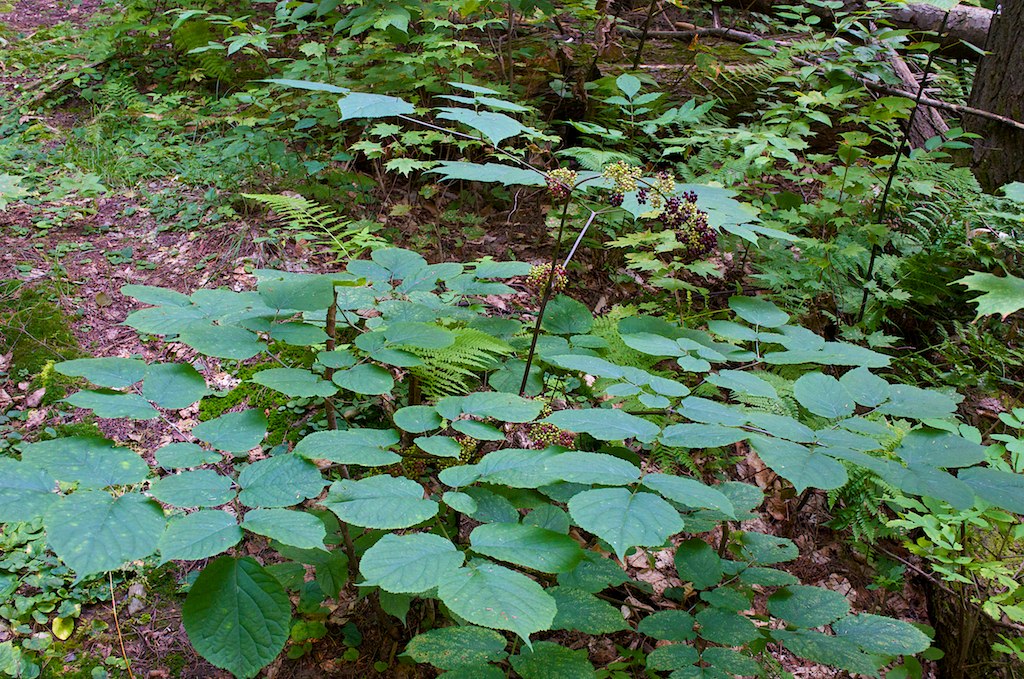
Aralia racemosa, American spikenard (photo via Distant Hill Gardens)
I have one of these plants growing along the front of the house in that east-facing, full-morning-sunshine bed, but I'm going to try to transplant it to a shadier spot where I think it would be happier.


Aruncus dioicus, goat's beard (photo via Megan Hansen)


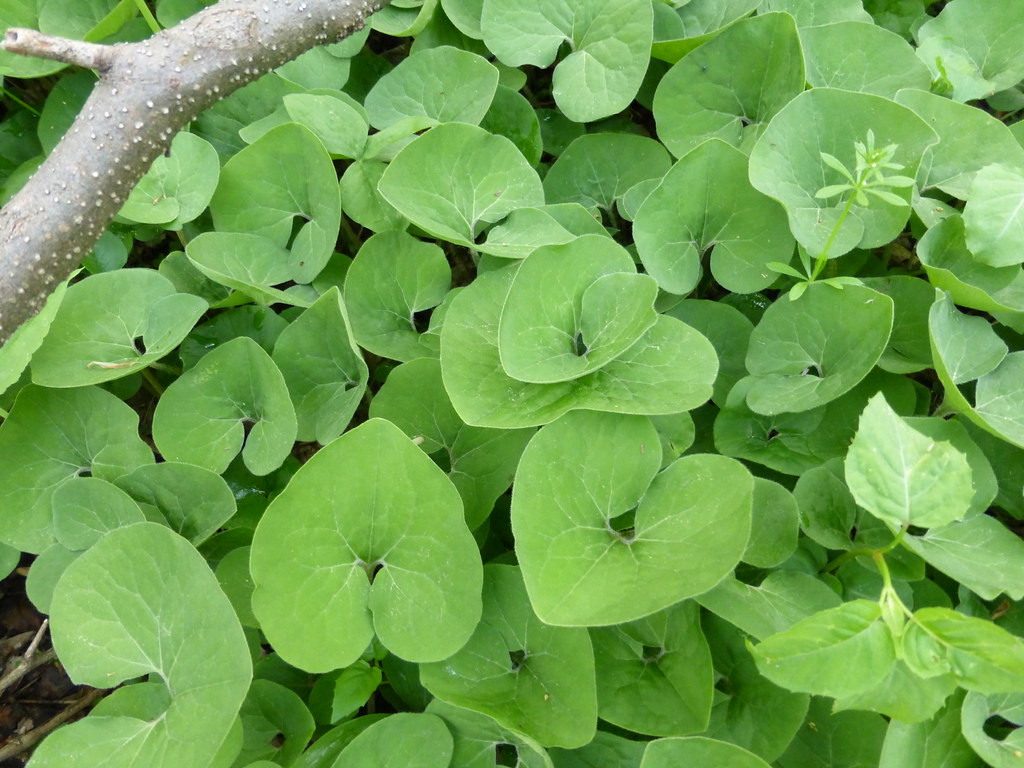
Asarum canadense, American ginger (photo via Kevin Faccenda)

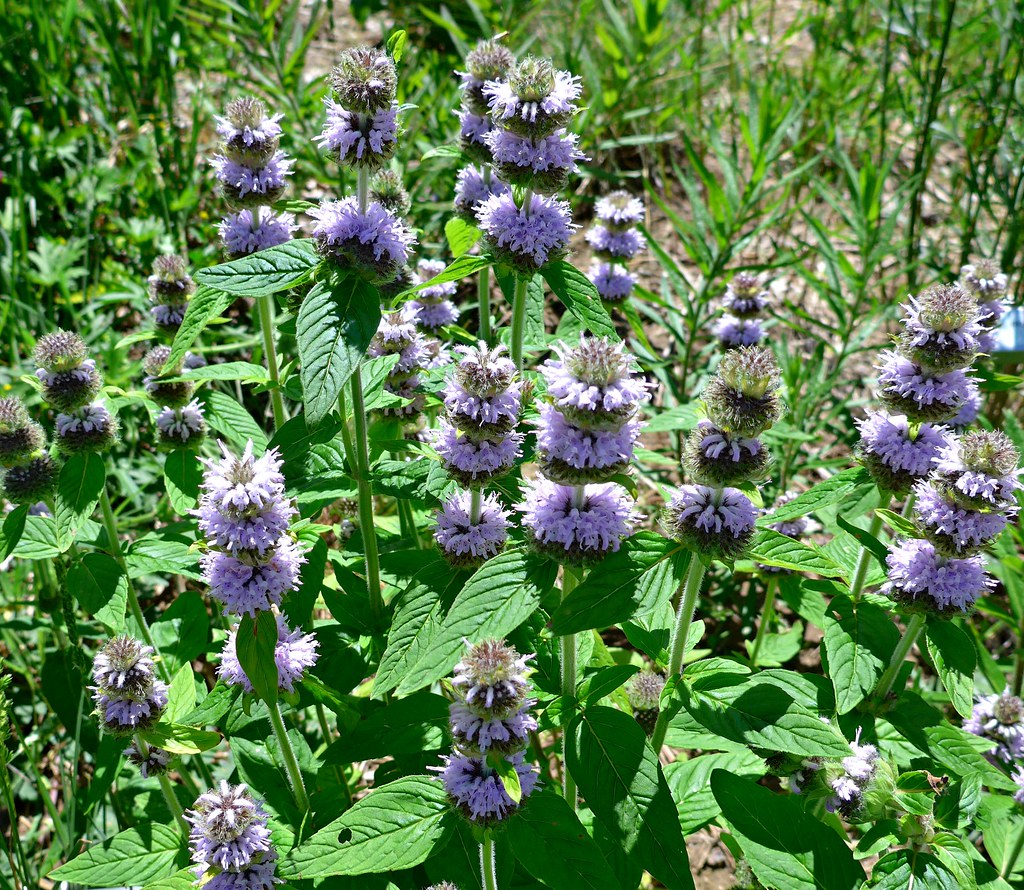
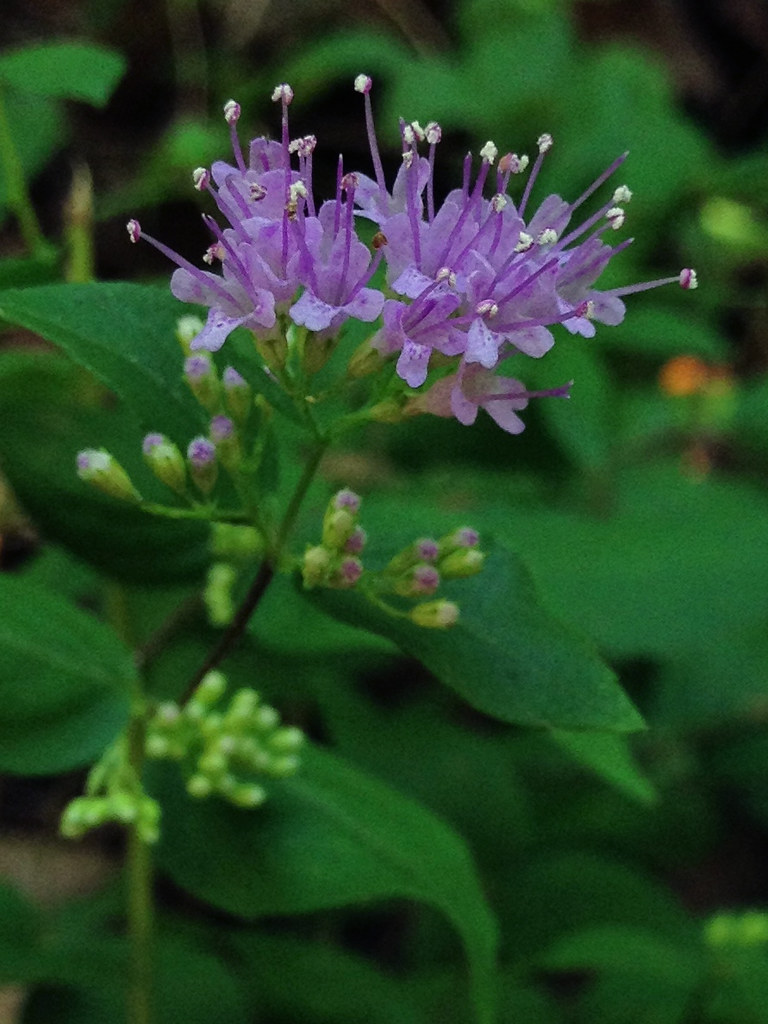
Blephilia ciliata, downy wood mint (photo via Ali Eminov)


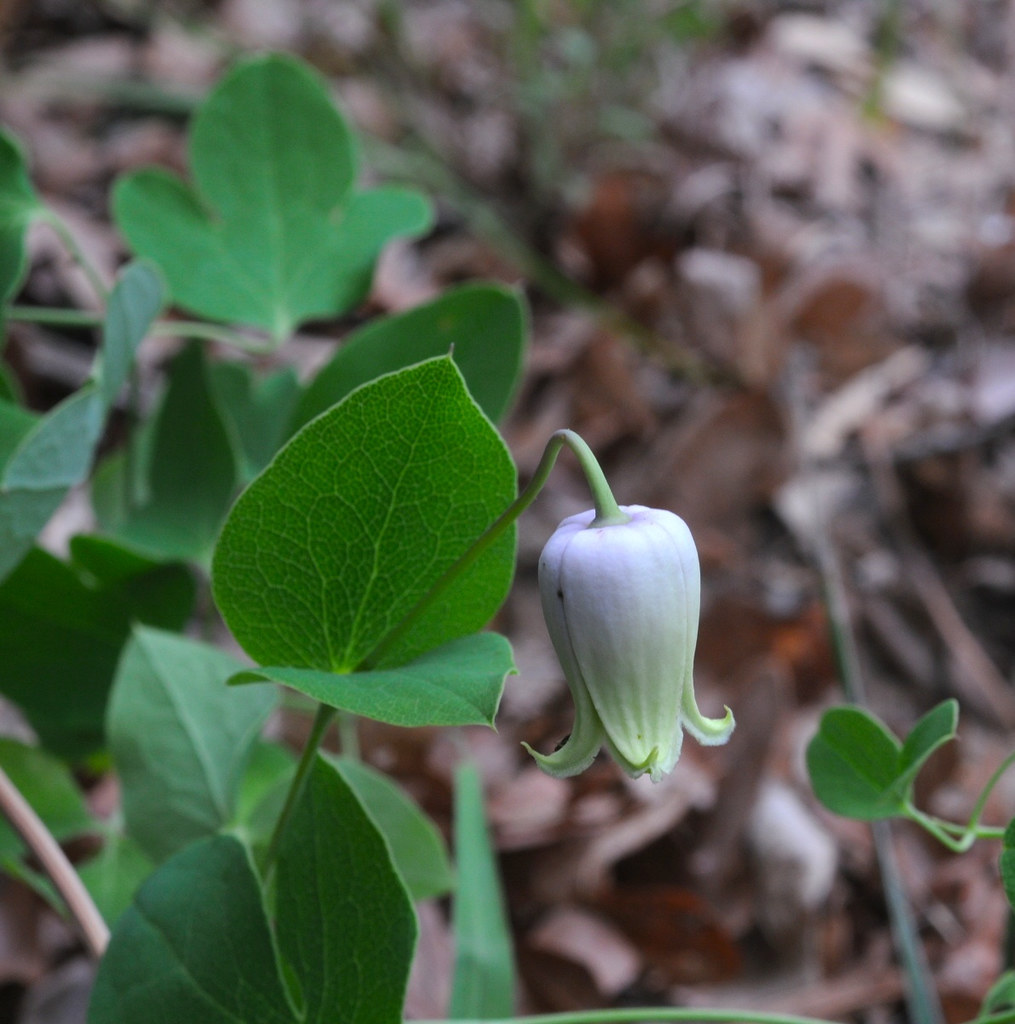
Clematis versicolor, pale leatherflower (photo via Sonnia Hill)

Cunila origanoides, dittany (photo via Fritz Flohr Reynolds)


Erigeron pulchellus, Robin's plantain
I already have this plant in my garden in a variety of settings, including some pretty shady spots, so I think it should grow fine beneath the crape myrtles.


Iris cristata, dwarf crested iris (photo via Andrew Hoffman)


Any thoughts on these plants?

I have some other plants already in the garden - Agastache foeniculum, for example - that already grow here and probably will spread further. They seem quite at home in the shade.

And I've found that other perennials - Amsonia tabernaemontana 'Blue Ice' and Echinacea purpurea, for instance - may be marketed as full sun plants, but are surprisingly tolerant of a good deal of shade.

But I know that some other plants have declined as the shade has increased. Coreopsis verticillata is dying out in spots (although I've heard that this can be a short-lived plant). Baptisia australis (blue false indigo) is hanging tough, but I suspect it would be more upright, floriferous and generally happier in a full sun spot. (I scattered some of its seeds in a full sun bed, and the seedlings seem more robust and vigorous than the lax, louche plant that lolls about in shade alongside the patio.)

I welcome your advice and suggestions! ~

Instagram
Follow Aaron Dalton on Feedio

Friday, May 6, 2016

Shots in the Garden - Late April 2016 Edition -- Swamp Milkweed, Mock Orange, Blanket Flower, 'Crystal Fountain' Clematis and More!

I know I just did a "Shots in the Garden" post a couple of weeks ago, but there were so many more exciting images I wanted to share with you all, that I decided to throw caution to the wind and publish another "Shots in the Garden" post. All photos here were taken on April 27, 2016.

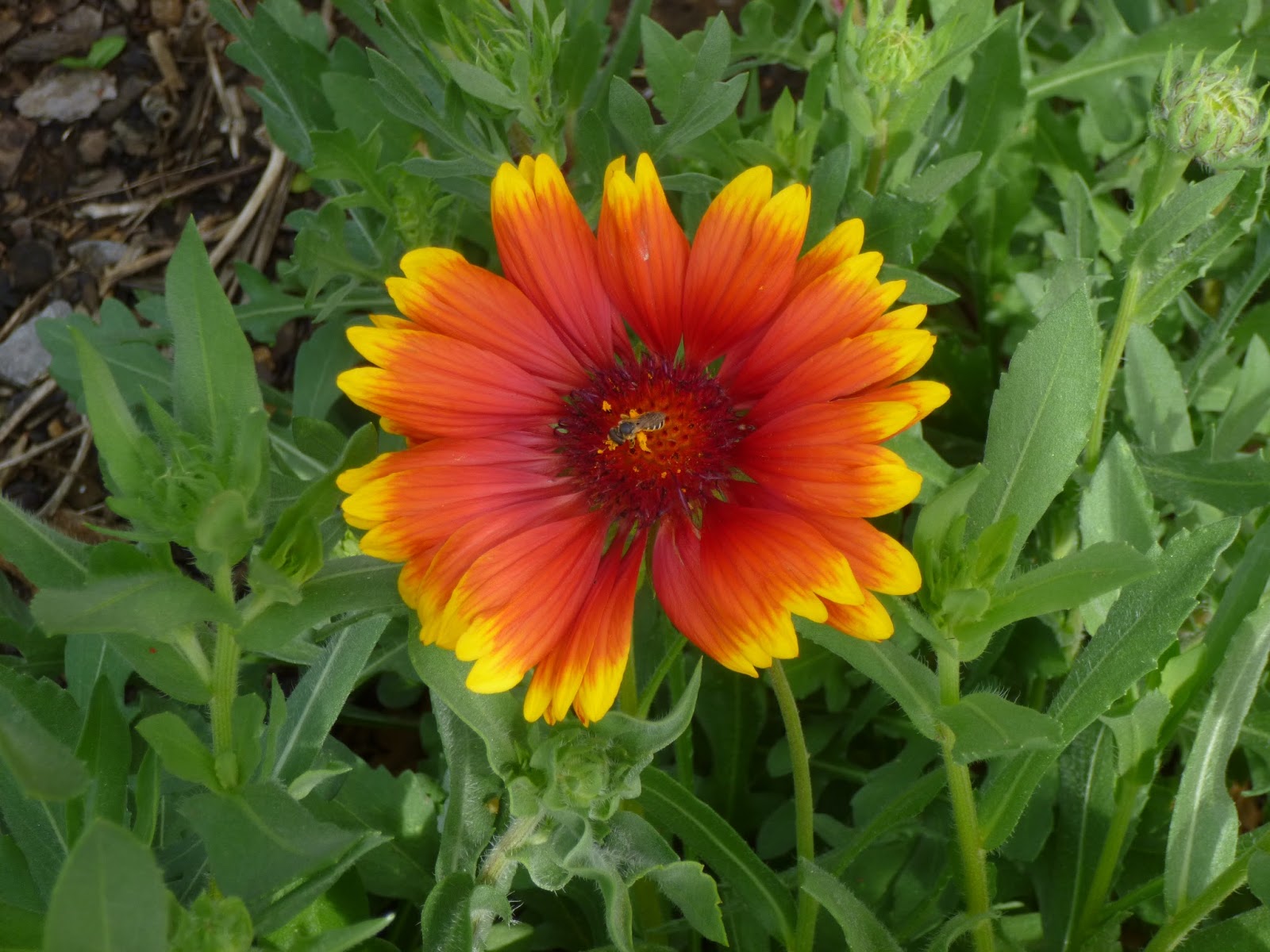
Gaillardia (blanket flower) has come into full bloom and is now attracting pollinators. Once it starts, Gaillardia x grandiflora often will bloom straight through until frost (!) with little or no deadheading required.

Clematis 'Crystal Fountain' in full bloom

Likewise, the 'Natchez' mock orange (Philadelphus x virginalis) is blooming its heart out. I detect a bit more fragrance this year and have seen a few pollinators. (In previous years, the pollinators seemed to bypass this shrub, but as the flowering show gets bigger and bigger each year, perhaps they're starting to take more notice?)

Epimedium x perralchicum 'Frohnleiten' looking fantastic. The new growth has effectively swamped and hidden the old foliage on those parts of the clump that I did not cut back this winter (as most gardening sources suggest doing).

Love the incongruous touch of bronze in the spring garden, courtesy of the new growth on Dryopteris erythrosora (autumn fern, Japanese shield fern)
This corner of the front foundation border is looking quite ferny thanks to (from left to right) lady fern (Athyrium filix-femina), eastern wood fern (Dryopteris x australis) and Japanese painted fern (Athyrium niponicum var. pictum).  

Can you believe all this new growth sprang to life in just a few weeks? Aralia racemosa (American spikenard) only emerged from dormancy in early April. Three weeks later, it was already the size of a small shrub. At maturity, I've heard this native perennial can reach 6 feet tall or even higher!

I profiled Cornus amomum (silky dogwood) as a new addition to the garden back in February with a photo off a mature shrub loaded with berries. Well, here's the shrub I planted last autumn. As you can see, it has leafed out nicely. I really like the tinge of red on the new growth!

I was really excited to see the native Asclepias incarnata (swamp milkweed) emerge from dormancy in early April. As you can tell, it seems to be doing really well, with lots of healthy-looking foliage and strong stems emerging from the base of the plant. 

I tried scattering lots of silky seeds from the Asclepias incarnata pods last autumn. And what's this? It looks like I have successful germination throughout one of the beds in the back of the garden! Exciting!! The monarch butterfly caterpillars and lots of other critters made a home on my single swamp milkweed plant last year. If these are in fact all swamp milkweed seedlings, I can't wait to see how much insect life turns up around the plants this year! (I did also scatter seeds from Asclepias viridis, green antelopehorn, last autumn, so some of these milkweed seedlings could be from that species, but the leaves look a bit narrower and more pointed than the photos of A. viridis seedlings I've seen online. It also looks as though A. viridis has wavy leaves, but the leaves on these seedlings don't seem wavy to me, so I'm guessing that they are A. incarnata seedlings. We shall see if/when they bloom! 
Instagram