Showing posts with label evergreen. Show all posts

Sunday, April 14, 2019

Rose Petty Rules!


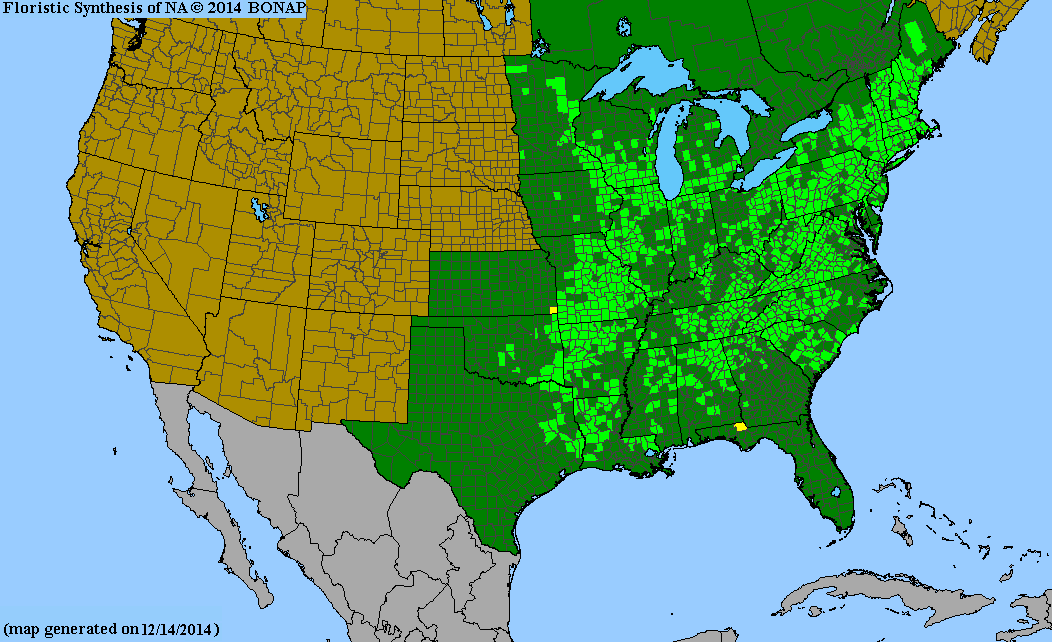
Apologies for the wind noise in the video, but the rose petty (Erigeron pulchellus) flower stalks sway so prettily on a blustery day...


If you garden in this plant's native range, I highly encourage experimenting with it as a groundcover!

Follow Aaron Dalton on Feedio

Monday, September 9, 2013

Groundcover Review: Ajuga, Bugleweed

The variegated ajuga in the front border mixes nicely with some Sweet Alyssum while blocking out most weeds. 


Ajuga, Bugleweed

Pros:

- Evergreen (or ever-purple or ever-variegated, depending on the variety)

- Pretty and long-lasting (at least several weeks) spikes of flowers in the springtime. UGA lists Ajuga as a good bee-forage plant, but I did not see any bees on the flowers during our (cold, wet) spring. Other sources say Ajuga can attract hummingbirds and butterflies. I didn't see any of those on the flowers either. Sigh.

- Prefers moist soil, but tolerates drought

This patch of Ajuga reptans (Bronze Beauty?) gets afternoon sun and you can see that parts of it are looking a little crispy. Ajuga genevensis seems better able to tolerate afternoon sun. So in my own experience, sun tolerance varies across different Ajuga species

- Grows in sun or shade. I have one patch growing in sun, but the patches growing in afternoon shade seem much happier.

- Does not really need any maintenance. Some sources recommend cutting back the flower stalks after the bloom is done. As far as I can tell, that's only really 'necessary' for aesthetic reasons. If you don't mind the spent bloom stalks sticking up until they fall over (and I don't) then the plant is basically zero-maintenance.

Ajuga genevensis, Carpet Bugle. Annie's Annuals says it is not stoloniferous and therefore less likely than Ajuga reptans to spread out of control. (Of course, Annie's also says the plant will flower all summer, which ours does not do, so perhaps the summer blooms are a California thing or maybe it's just that YMMV...)


- Spreads pretty quickly. I could see Ajuga perhaps working in combination with Sweet Woodruff to cover large patches of shady ground that would not need much / any mowing or other maintenance.


Cons: 

- Not native to Southeastern U.S. Like Sweet Woodruff, Ajuga reptans is native to Europe.

- Some sources list Ajuga as being mildly invasive. For instance, the North Carolina Native Plant Society has it listed as a "lesser threat".


Here's a patch of Ajuga that I really like in morning sun / afternoon shade. It's been expanding steadily and blocking all weeds from its patch of turf between a Japanese Aucuba and an Inkberry Holly. The foliage looks good all year round and the blue flower spikes were very pretty in the spring. I'm not sure which variety of Ajuga I have here. The tag says "Burgundy Glow" but the foliage doesn't look anything like the picture of Burgundy Glow on Monrovia's website. Perhaps it is Mahogany or Black Scallop? I think Black Scallop, although it doesn't behave like the other plant that was labeled Black Scallop. Either there is a lot of behavioral and visual diversity within Ajuga cultivars or there's a fair amount of mislabeling going on...

- As with Sweet Woodruff, I could see Ajuga becoming a problem for annuals or other small perennials. Reportedly at least some species of Ajuga spread both through rhizomes and stolons, so that could make it doubly hard to control. Supposedly also may spread by seeds and can reportedly show up far away in garden beds and lawns. (Although I haven't found any seedlings yet.)

- Also like Sweet Woodruff, Ajuga may technically be evergreen, but that doesn't mean it looks beautiful all year round. In fact, I found the Ajuga looked much more tattered than the Woodruff over the winter. I think slugs like to eat the Ajuga in the cool months, because there were lots of holes in the Ajuga leaves. The slugs didn't cause any mortal wounds and Ajuga has rebounded to look lush and thick in the springtime, but it's not necessarily all that attractive in the winter months.

- Ironically, even though Ajuga can be aggressive, it can also have the opposite problem of thinning out in the center. Some sources say that it needs to be divided every 2-3 years to prevent crown rot. I haven't noticed anything that catastrophic, but some of my Ajuga species do seem to be thinning out in the middle. I've read reviews online where gardeners talk about their ajuga dying out in one place and popping up somewhere else. I think my mother had this problem with her Ajuga, where it eventually died out where she wanted it to cover ground and then showed up far away in the lawn or in some other garden bed where she didn't really want it to grow. It may be unpredictable that way.

Conclusion:

I'm actually pretty conflicted on Ajuga. I can see its merits, but I worry that it is a little too thuggish. If it were a native plant, I probably would not be too concerned, but since it's an exotic, I worry about what natives it might suppress or displace if it were to spread beyond the garden. The fact that Ajuga is not on many invasive species lists does make me feel a bit more comfortable. That said, all four patches in my garden right now are behaving themselves and performing well. So I'm going to offer a qualified endorsement, but I'll keeping a close eye on the Ajugas in my garden and suggest you do the same in yours if you decide to plant some.

Friday, March 15, 2013

To Prune or Not To Prune ... Sweet Woodruff

Sweet Woodruff in March 2013 - battered but unbowed
UPDATE - As time goes by and I see how a plant performs in the garden from year to year, my views may change and I'll update old posts accordingly. That's what happened with sweet woodruff. I started experiencing dieback on patches of this plant in both winter and summer. I suspect it's a bit difficult to grow in the hot and humid Southeast and especially the Deep South. At the same time, when I started to try to dig up patches, I found a disturbingly elaborate web of roots that seemed to occupy the entire top layer of soil. I could literally lift the plant and the soil would come with it like a piece of carpet. So I ended up evicting sweet woodruff entirely from my garden. Fortunately, unlike Ajuga or Geranium sanguineum at least it had the decency to leave politely and not try to make too many repeated comebacks. I've since shifted my gardening more toward natives, especially vis-a-vis spreading groundcovers. If you do grow this plant in the U.S., please check to make sure it's not invasive in your region, as might be the case particularly in the Pacific Northwest, Upper Midwest and parts of New York State.

So far, I'm still loving Sweet Woodruff (a.k.a. Galium odoratum). Not loving it anymore. Shovel-pruned it.

I first planted some last spring, it survived our scorching summer last year, so I split off some last fall, and both the division and a new plant that I purchased from a nursery last autumn have done well and seem to be growing and expanding.

(That's opposed to other 'groundcovers' I've purchased that have either (a) died or (b) covered very little ground so far.)

So that's why I sang Sweet Woodruff's praises a couple of months ago. At the time, the plants were welcome shades of green in an otherwise relatively brown and bare landscape.

Well, I'm still enamored with the plants, but they weren't quite as evergreen as I'd hoped, at least not in our average zone 7 winter. Our coldest temps were in the high teens this winter, but most nights were in the 20s or 30s.

Anyways, my question is this -- For anyone who grows or has grown Sweet Woodruff, do you prune off the old tattered foliage or if you don't do anything will the plant shed the old foliage on its own as the year progresses.

Lots of healthy new Sweet Woodruff foliage emerging from underneath the messy mop of foliage pictured above. Should I trim away the old growth or will it fall away on its own (and how long would that take?) as this new foliage takes center stage?

I only have the three small Sweet Woodruff patches right now (actually one small patch, two tiny patches), so I certainly wouldn't mind clipping off the old growth this year, but I have two concerns:

1) Perhaps the old growth is there to shelter and protect the new growth as it emerges? After all, no one's pruning Sweet Woodruff in the wild.

2) Alternatively, if the old foliage will persist throughout the year and it's better to give it a haircut to let the new foliage have its place in the (partial) sun, that's good to know before I let Sweet Woodruff run rampant and find myself faced with the task down the road of pruning an acre of last year's Sweet Woodruff foliage on my hands and knees.

Ergo, I welcome your opinions, suggestions and personal experiences on this edition of To Prune or Not To Prune! Thanks :)


Saturday, February 9, 2013

Would You Plant ... Wild Ginger?


Hexastylis arofolia, a.k.a. Wild Ginger. Photo by BlueRidgeKitties.


Hello, fellow gardeners!

I am hoping to benefit from your wisdom with a new series of posts called "Would You Plant..."

These posts will cover plants that intrigue me, that I'd like to add to my garden, but with which I have zero experience.

I'd like to get your opinions (ideally, but not necessarily, grounded in personal experience) as to the merits or demerits of these plants.

So the first one I'm considering is Hexastylis arifolia, a.k.a. Wild Ginger. Another common name is "Little Brown Jug", which refers to the small pitcher-shaped flowers that appear at the base of the stems.

Pros:

- Native to the Southeast

- Evergreen groundcover (I'm looking for groundcovers that will stay green year round, protecting the soil and blocking winter weeds)

- Reportedly hardy to zone

- Beautiful patterned/mottled foliage

- Really cool and unusual flowers


Cons:

- It does not appear to grow very thickly. Would it be thick enough to suppress weeds?

- I'm not sure how quickly it would grow to cover ground. I think gingers generally grow kind of slowly. On the other hand, this should make it easier to make sure it doesn't get out of control.

- Slug damage can reportedly be a problem. I'd probably try stopping the slugs in their tracks with diatomaceous earth if that became an issue.


Other comments:

- Wild gingers reportedly need at least partial shade and will grow in full shade. I think they prefer moist soil, but I hope they would do OK in dryer soil if given enough shade and/or supplemental irrigation in case of a drought.

- Wild ginger in the Hexastylis or Asarum genuses are NOT the same as the edible culinary ginger Zingiber officinale. Native to tropical Asia, Z. officinale reportedly is only hardy to zone 8 and thus would not survive a Middle Tennessee winter. Is Hexastylis arifolia edible? I have no idea. You can read conflicting information on the Internet as to whether Asarum (which I believe is closely-related botanically to Hexastylis) is safe or poisonous. Personally, I am not planning to eat any Hexastylis or Asarum roots. I'm just interested in using Hexastylis for ornamental purposes.


Here are some of the sources I found while researching Hexastylis arifolia:

- Clemson Cooperative Extension (Incidentally, Clemson seems to believe using the ornamental ginger in cooking is OK: "Wild ginger does not refer to the culinary ginger (Zingiber officinale) that is used in stir-fry and ginger ale. However, its fleshy root does have a spicy aroma and can be substituted for culinary ginger in your favorite Asian recipe.") 

- The Annotated Flora

- Alabamaplants.com

- Using Georgia Native Plants - Talks about the role that ants reportedly play in dispersing H. arifolia seeds!


Where to Buy:

- If I end up buying Hexastylis arifolia, I'll probably order it from Woodlanders.


So have you grown any of the Hexastylis or Asarum ornamental gingers?

If so, I'd love to hear about your experiences in the Comments section below.

If not, do you think you might add one of these native ornamental gingers to your garden someday based on the pros-and-cons above or would you steer clear? Why or why not?

Tuesday, January 15, 2013

The January Garden - Sweet Woodruff

I have fallen in love with Sweet Woodruff (Galium odoratum, a.k.a. Asperula odorata). Here in the heart of winter, Sweet Woodruff is looking greener, healthier and more beautiful than ever. The winter coloration (purpling) of some leaves just adds to the beauty for me.

UPDATE - As time goes by and I see how a plant performs in the garden from year to year, my views may change and I'll update old posts accordingly. That's what happened with sweet woodruff. I started experiencing dieback on patches of this plant in both winter and summer. One of the readers from South Carolina who left a comment also reported problems with this plant. I suspect it's a bit difficult to grow in the hot and humid Southeast and especially the Deep South. At the same time, when I started to try to dig up patches, I found a disturbingly elaborate web of roots that seemed to occupy the entire top layer of soil. I could literally lift the plant and the soil would come with it like a piece of carpet. So I ended up evicting sweet woodruff entirely from my garden. Fortunately, unlike Ajuga or Geranium sanguineum at least it had the decency to leave politely and not try to make too many repeated comebacks. I've since shifted my gardening more toward natives, especially vis-a-vis spreading groundcovers. If you do grow this plant in the U.S., please check to make sure it's not invasive in your region, as might be the case particularly in the Pacific Northwest, Upper Midwest and parts of New York State.


I guess normal gardeners love roses, daylilies, viburnums, azaleas and rhododendrons.

Me? I fell in love with a groundcover - Sweet Woodruff, Galium odoratum, also known as Asperula odorata.

The Internet is full of interesting information about this plant:

Living in Season notes that in Germany (where the plant is called Waldmeister or "Master of the Woods"), fragrant dried sprigs are used to flavor May Wine. But that killjoy FDA has nixed consumption of Sweet Woodruff due to the fact that the plant contains a chemical called coumarin.

Now I'm neither a lawyer, nor a chemist nor a doctor. (I don't even play any of those roles on TV.) So I'm not going to even attempt to tell you whether or not it's safe, legal or smart to use Sweet Woodruff to flavor your wine. Do your own research. Consult with experts. Make your conclusions.

But it does seem to be perfectly safe (near as I can tell) to dry Sweet Woodruff sprigs and use them for potpourri or air freshener. I haven't tried that yet, but perhaps I will do so this year.

Just another shot of beautiful Sweet Woodruff foliage, which is supposedly fragrant when dried. I like the greens and the purples. I like it all. There is something here that reminds of me of both snowflakes and fractals.

Some folks say that Sweet Woodruff can be aggressive. That has not been my experience (yet) but I can see how eventually it might overtake particularly small or retiring competitors. But Sustainable Gardening (which has a beautiful photo of a whole bed of Sweet Woodruff) notes that the plant is rather delicate and can be easily uprooted, kept in bounds and otherwise controlled. Sustainable Gardening also points out that the low-growing Sweet Woodruff (mine can't be taller than 4-6 inches at most, though some sources insist it can grow up to 12-inches tall) is no threat to bushes, shrubs or tall perennials.

See the little sprout of Sweet Woodruff poking through the soil on the left-hand side of the photo. Sweet Woodruff will spread, but the new plants pop up near the mother plant and I've found the plant easy to control / uproot if necessary. In fact, I wish it would spread faster! (As always, YMMV depending on climate, soil, rainfall, etc.)

Now Mother Earth Living warns that Sweet Woodruff will struggle in the hot and humid South. That hasn't been my experience at all. I planted Sweet Woodruff last spring, just before a long, hot and dry summer. And when I say "hot", I'm talking record heat (110+ degrees Fahrenheit). It's true, I did give this plant partial shade (its natural environment is woodlands after all), but my Sweet Woodruff still got fairly intense sun all morning during the summer in its east-facing foundation bed. That's maybe 6 hours of sun, which would be considered 'full sun' in some books.

And yet, the plant performed like a champ. It didn't grow much, but it didn't wither or croak either. It just kind of hunkered down and stayed green and pretty. A couple of stems might have browned and died, but the overall effect was undiminished. This is a tough cookie. But if I were to do it again, I'd suggest Southern gardeners plant Sweet Woodruff in the fall, since a new plant that I added to the landscape in autumn seems to be getting off to a much better start than the one I threw into the deep end of a long hot Tennessee summer.

Anyway, cooler weather came eventually. Lows in the low-20s recently. Highs sometimes only in the 30s. But Sweet Woodruff is hardy to zone 4. That means it should be able to handle lows in the negative-30 Fahrenheit range. 20 above freezing is just a walk in the park. Which might be why my Sweet Woodruff, which looked fine in July, now looks positively cheerful.

(I should say it looks mostly cheerful. Certain stems do appear dead or damaged, especially on the smaller plants that I divided or planted this autumn. But even those have very healthy-looking new foliage emerging from underground, so I'm fairly confident that they'll be fine come springtime and may even benefit from a haircut.)

Where Sweet Woodruff waited out the summer, it is now growing and expanding in the middle of winter. When I redid the front foundation this summer, I transplanted the Sweet Woodruff a bit closer to the front of the bed, where it would be more visible. At that time, I divided the plant and replanted the offset nearby. And I also planted a new Sweet Woodruff plant that I'd ordered through the mail from Gardens in the Wood of Grassy Creek.

The Sweet Woodruff I bought and planted just a couple of months ago from Gardens in the Wood of Grassy Creek. The 'mama' plant is still pretty small, but look how much she's already spreading to the right with shallow stolons and pretty little rosettes popping up - and this is in heavy clay with a light scattering of mulch on top!

All three plants are doing great now. The one from Gardens in the Wood in particular is expanding and scouting out new territory even though the central clump is still pretty small. And I'm looking forward to hopefully seeing a show of white blossoms that Paghat says should make an appearance in April and May.

So to recap, it's not flashy or showy, but I think Sweet Woodruff deserves to be planted in far more gardens. Here's why:

1. Evergreen (so far, in zone 6/7, during a winter with temps close to average, lows in the 20s, highs in the 30s and 40s)

2. Nicely spreading - clearly desirable in a groundcover - but not overly aggressive.

3. Interesting and beautifully whorled foliage, which can supposedly be cut back to stimulate regrowth. Haven't tried that yet, but will report back when/if I do make that experiment.

4. Flowers (reportedly) in spring that are supposed to attract butterflies and bees, according to Agweek (which agrees with me that Sweet Woodruff is "one of the best groundcovers")

5. Fragrance (reportedly, of dried branches). Also haven't tried this yet, but will report back when/if I do.

6. Suppresses / controls weeds, which makes a gardener's life more carefree and lighthearted!

Do you grow Sweet Woodruff in your garden? If so, please post your experiences in the Comments section below!

Curious to see if my love affair with Sweet Woodruff will last? Want to know whether Sweet Woodruff will flower and if the scent of the dried sprigs really is as good as everyone says? Stay tuned with email updates.