Saturday, February 27, 2016

Early Signs of Spring - Tulip, Camellia and Daffodils!


Although I usually like the autumn-blooming Camellia sasanqua better, it's nice to have some early spring / late winter flowers from the Camellia japonica too!

It's our first year growing tulips! This is Pink Impression from Easy to Grow Bulbs.

It's my understanding that tulips are native to places where winters are relatively dry and drainage is good, so I was nervous about trying to grow them on heavy clay soil that gets saturated by winter rains. I planted some on a hillside to improve drainage -- and those ones seem to have emerged first, although I suspect that's because they get a good dose of morning sun. Some of the ones I planted on flat ground are just starting to poke their heads above ground...

Dependable daffodils put on their usual late winter show. What a cheerful sight!


Instagram

Monday, February 22, 2016

Class of 2016 -- Chamaecrista fasciculata, partridge pea, sensitive plant

Partridge pea, Chamaecrista fasciculata, photo by Fritz Flohr Reynolds via Wikimedia Commons

Why I'm growing Chamaecrista fasciculata in my garden...

1) It is native to Tennessee and throughout most of Eastern and Central North America.

2) The USDA says that partridge pea seeds provide food for quail, prairie-chickens, pheasants, ducks and other grassland birds, while nectar from glands at the base of each leaf provide nutrition for bees.

3) Although I usually favor perennials, I'm willing to take a chance on this annual. Andrea DeLong-Amaya at the Lady Bird Johnson Wildflower Center told me that partridge pea is a drought-resistant annual that self sows reliably enough to persist in the garden for years.

4) DeLong-Amaya also mentioned that partridge pea is a larval food plant for several species of sulphur butterflies, including the cloudless orange and sleepy orange.

5) In photos I've seen, the flowers, seedpods and foliage all look gorgeous.

Do you grow partridge pea? If so, what has been your experience with this plant?

Instagram

Monday, February 15, 2016

Class of 2016 -- Hydrangea arborescens, smooth hydrangea


Hydrangea arborescens, smooth hydrangea, photo by Hedwig Storch via Wikimedia


Why I'm growing Hydrangea arborescens in my garden...

1) It is native to Tennessee and throughout a large swath of the Southeast, Midwest and Mid-Atlantic.

2) Sources at several botanic gardens say that H. arborescens flowers attract myriad pollinators including bees, wasps, hoverflies and skipper butterflies.

3) Since it blooms on new wood, I believe that smooth hydrangea should flower well even after the harshest Tennessee winters.

4) As with Cornus amomum, I've heard that smooth hydrangea is easy to propagate through a live-staking method (i.e., trimming branches in the spring, sticking them in the ground and giving them a bit of supplemental water if necessary as they get established).

5) Smooth hydrangea is supposed to be more drought tolerant than exotic mophead hydrangeas (H. macrophylla). It may even have a bit more drought tolerance than the oakleaf hydrangea (H. quercifolia), which I have found quite drought tolerant in partial shade.

6) H. arborescens may spread by suckers. I've planted it on a hillside where I think I would welcome that tendency to naturalize and protect the soil from erosion. However, I've heard those suckers are not especially difficult to control if I do want to keep it from spreading too far.


Do you grow smooth hydrangea? If so, what has been your experience with this plant?


Instagram

Monday, February 8, 2016

Class of 2016 -- Cornus amomum, silky dogwood

Cornus amomum, silky dogwood, photo via Mid-Atlantic Regional Seedbank


Why I'm growing Cornus amomum in my garden...

1) It is native to Tennessee and throughout much of the Southeast, Mid-Atlantic and New England.


2) It has a reputation of being a tough and adaptable plant, capable of tolerating wet clay soils. Some sources also say it has good drought tolerance.

3) The Pollinator Partnership says that Cornus amomum flowers attract bees and butterflies.

4) A University of Rhode Island fact sheet says that silky dogwood berries are eaten by many migratory songbirds.

5) It has red stems that provide winter interest.

6) I've heard it can be propagated very easily using a live staking method. So if it grows well here, it's good to know I may be able to take cuttings and get some free plants.

PS - When most gardeners think of dogwoods, they probably think of flowering dogwood, Cornus florida, but that plant has a reputation for needing or at least preferring moist, rich, acidic, woodland conditions. If I had a woodland, I'd certainly try planting some flowering dogwoods, but since my garden is mostly sunny and filled with compacted clay soil, I don't think Cornus florida would thrive here. In fact, I tried growing one a couple of years back and it really struggled even in one of the shadiest spots I could provide. Cornus amomum sounds like a much tougher and more forgiving member of the genus. We shall see...

Do you grow silky dogwood? If so, what has been your experience with this plant?


Instagram

Monday, February 1, 2016

Class of 2016 -- Rosa 'Carefree Beauty', shrub rose

'Carefree Beauty' shrub rose, photo by Malcolm Manners


Why I'm growing 'Carefree Beauty' in my garden...

1) My wife likes roses!

2) I would describe some kinds of popular roses as ecologically inert. The only insects they seem to attract are Japanese beetles! But Sarah Rummery, Horticulture and Grounds Manager at the Reiman Gardens at Iowa State says that 'Carefree Beauty' has flowers that attract bees and other pollinators, while the rose hips that follow provide food for wildlife.

3) I was impressed by Dee Nash's enthusiastic review and beautiful photos at Red Dirt Ramblings.

PS - I hesitated to grow any roses in my garden after reading about the scourge of Rose Rosette Disease, but I figured I'd take a chance with just a couple of roses in the garden.

Do you grow roses? If so, which are your favorites and have you had any problems with Rose Rosette Disease?

Instagram

Monday, January 25, 2016

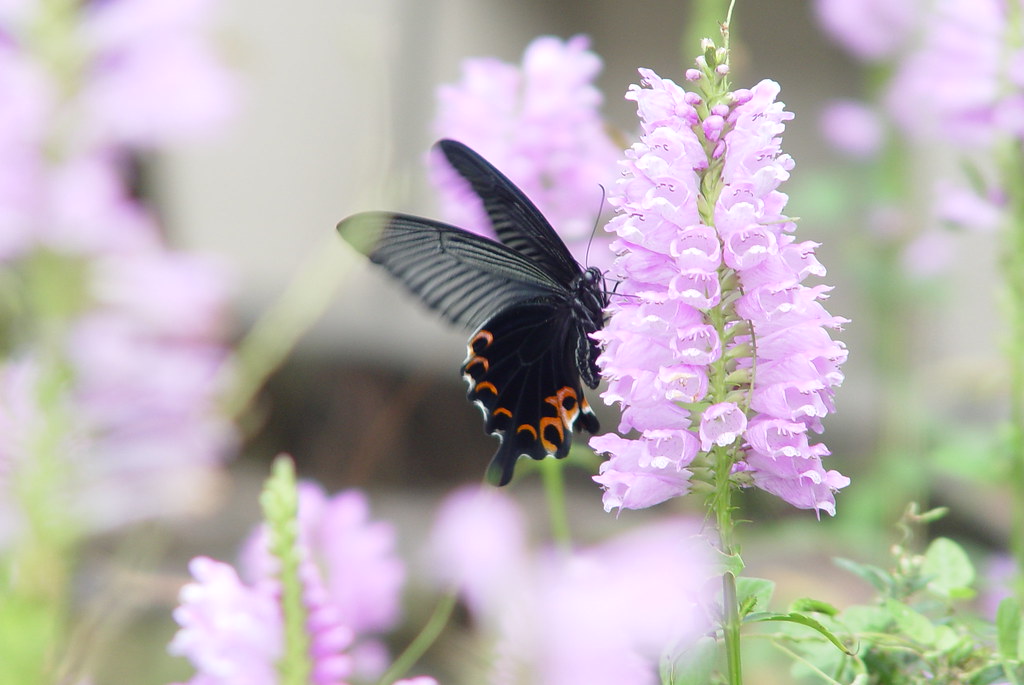
Class of 2016 -- Physostegia virginiana, obedient plant


Obedient plant, Physostegia virginiana, photo by Shigemi.J 

Why I'm growing Physostegia virginiana in my garden...

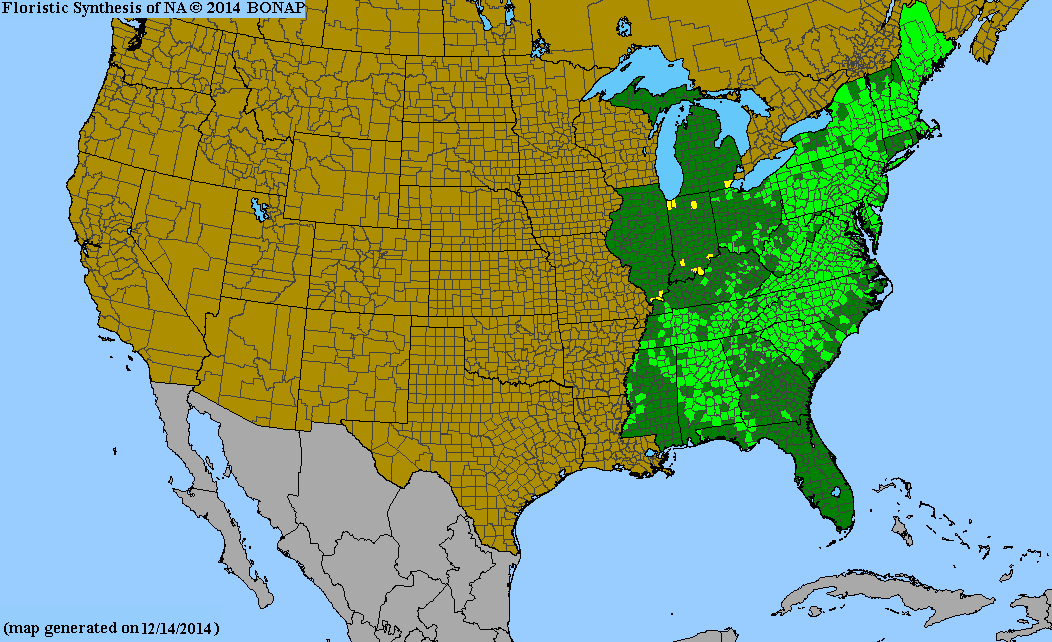
1) It's native to Tennessee and throughout much of the Eastern and Central U.S.

2) Gardeners on the Dave's Garden website say it can tolerate drought, heat and clay soil in hot climates including Tennessee and Texas.

3) Gail at the marvelous clay and limestone blog has high praise for obedient plant, calling it a good colonizing plant that acts as "a magnet for pollinators" including bumblebees, carpenter bees and smaller bees.

4) The Lady Bird Johnson Wildflower Center says obedient plant flowers may attract hummingbirds.


Do you grow obedient plant? If so, what has been your experience with this plant?

Instagram

Follow Aaron Dalton on Feedio

Monday, January 18, 2016

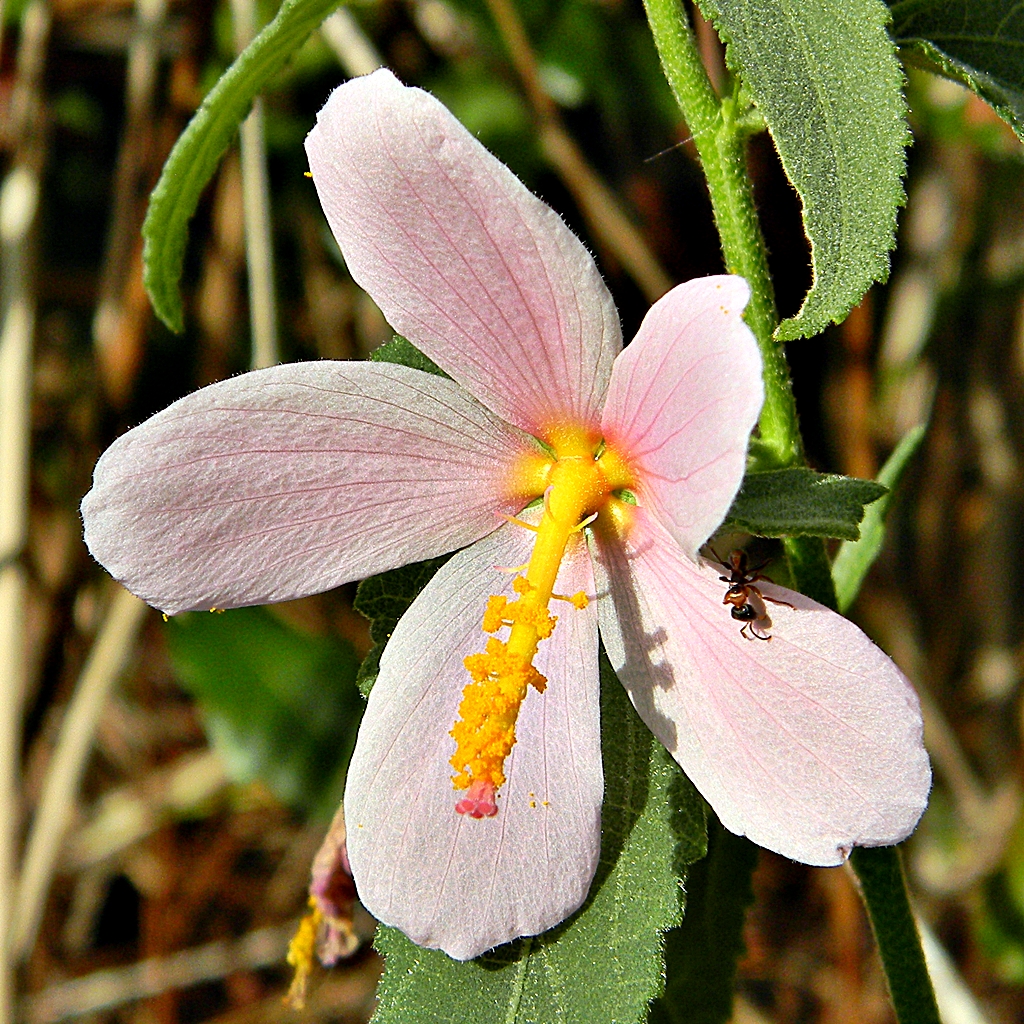
Class of 2016 -- Kosteletzkya virginica, seashore mallow

Kosteletzkya virginica, seashore mallow, photo by Bob Peterson


Why I'm growing Kosteletzkya virginica in my garden...

1) It's native to the Southeastern U.S. (although as the name suggests, it's really only native to marshy, coastal places from Texas to Florida and up to Maryland).

2) Despite the fact that it naturally occurs just at the coast, Heather Alley, Conservation Horticulturalist at the State Botanical Garden in Athens, Georgia says that seashore mallow has thrived through downpours and droughts in her inland botanical garden over a number of years.

3) Both my wife and I like hibiscus flowers (in fact, I'm already growing Hibiscus moscheutos, H. syriaca and H. coccineus in my garden), so I'm eager to try growing another member of the Hibiscus family.

4) Alley says that the flowers are attractive to bumblebees and that Kosteletzkya virginica can self-sow and provide some volunteer plants.

Do you grow seashore mallow? If so, what has been your experience with this plant?

Instagram

Monday, January 11, 2016

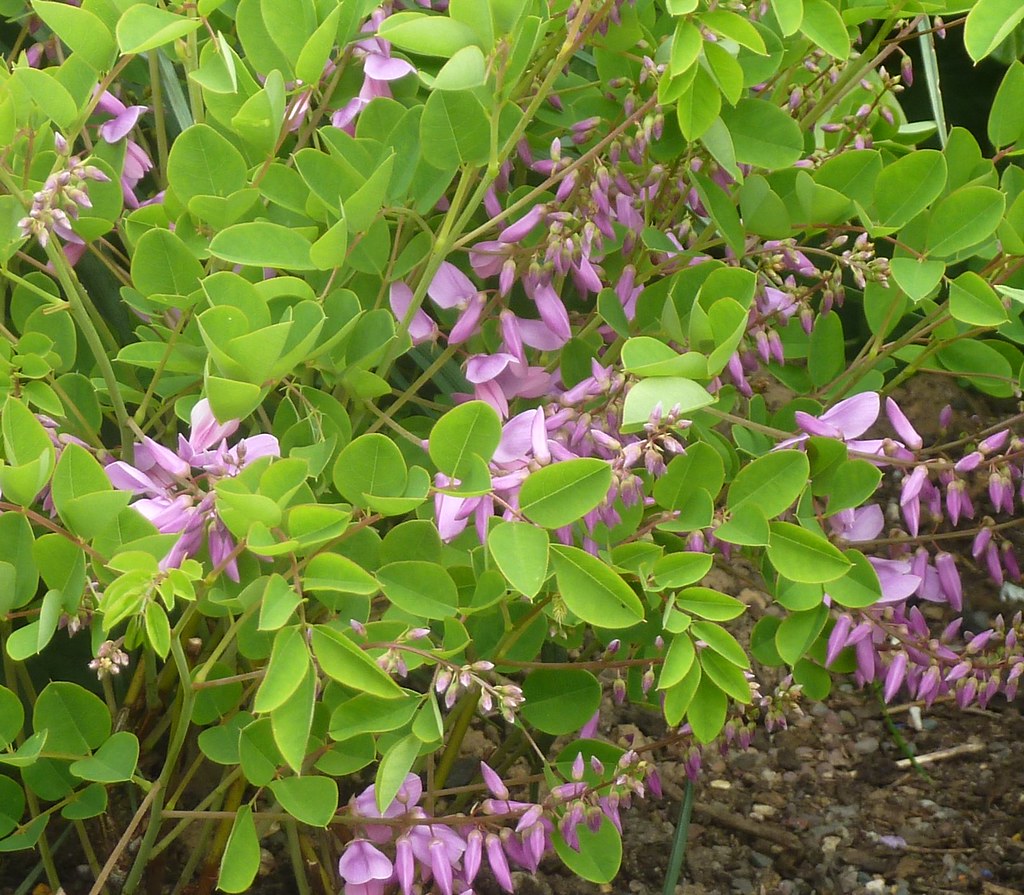
Class of 2016 -- Indigofera kirilowii, Chinese indigo

Chinese indigo, Indigofera kirilowii, photo by peganum


Why I'm growing Indigofera kirilowii in my garden...

1) Cornell highly recommends it as a deciduous woody groundcover that spreads by root suckers and (as a member of the pea family) can fix nitrogen in the soil.

2) This suckering habit makes it a good choice for protecting slopes and embankments from soil erosion, per the Arnold Arboretum.

3) Scott Beuerlein at Cincinnati Zoo & Botanical Garden calls Kirilow indigo an 'amazingly tough shrub' that blooms for a long time and attracts a fair amount of bees, butterflies and other pollinators.

4) Based on the photos I've seen, the flowers seem beautiful and I like the smooth foliage, which reminds me a little of a Baptisia australis that I grow.

Do you grow Chinese indigo? If so, what has been your experience with this plant?

Instagram

Monday, January 4, 2016

Class of 2016 -- Conoclinium coelestinum, blue mistflower


Happy New Year!

I hope you all will have a wonderful, exciting (yet peaceful) and happy 2016!

This year, many of my blog posts will be for the purpose of introducing new plants that I'm adding to the Garden of Aaron.

Some of these plants were actually added to the garden a few months ago, but since 2016 will be their first growing season, I'll be introducing them throughout this year.

My plant is to introduce one new plant each Monday morning.

As the year progresses, the introductions probably will come to include some details about how the plants have performed their first year in the garden.

Without further delay, here's the first introduction!
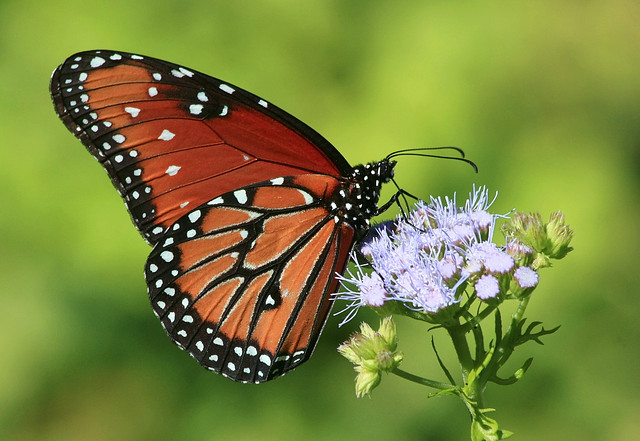
Butterfly visiting blue mistflower, Conoclinium coelestinum (photo via TexasEagle)

Why I'm growing Conoclinium coelestinum in my garden...

1) It's native to Tennessee and much of the Eastern U.S.

2) Gail at clay and limestone gave it an incredibly enthusiastic review, praising its ability to support butterflies, bees and birds.

3) I purchased some cut stems of blue mistflower from Laura Bigbee-Fott at a Nashville farmers market last summer and was impressed by the way that the flowers lasted up to 2 weeks in a vase.

4) It is supposed to be drought tolerant, capable of growing in full sun or partial shade, and resistant to damage from both deer and rabbits.

5) Some gardeners say it can spread too aggressively, which gave me pause. But I have a lot of open space to fill in a couple of garden beds in the backyard, so I figure I won't mind if this native wildflower naturalizes itself back there -- especially given its wildlife-friendly qualities.


Do you grow blue mistflower? If so, what has been your experience with this plant?

Instagram

Thursday, December 31, 2015

Happy New Year!


Camellia japonica (Japanese camellia) bud with oakleaf hydrangea (Hydrangea quercifolia) autumn foliage in the background.
Camellia japonica (Japanese camellia) bud with oakleaf hydrangea (Hydrangea quercifolia) autumn foliage in the background.


Like this camellia bud, I hope your New Year is filled with hope, beauty and life.

Happy Gardening in 2016!

Instagram