Showing posts with label Class of 2016. Show all posts

Monday, June 13, 2016

Class of 2016 -- Pycnanthemum muticum, short-toothed mountain mint


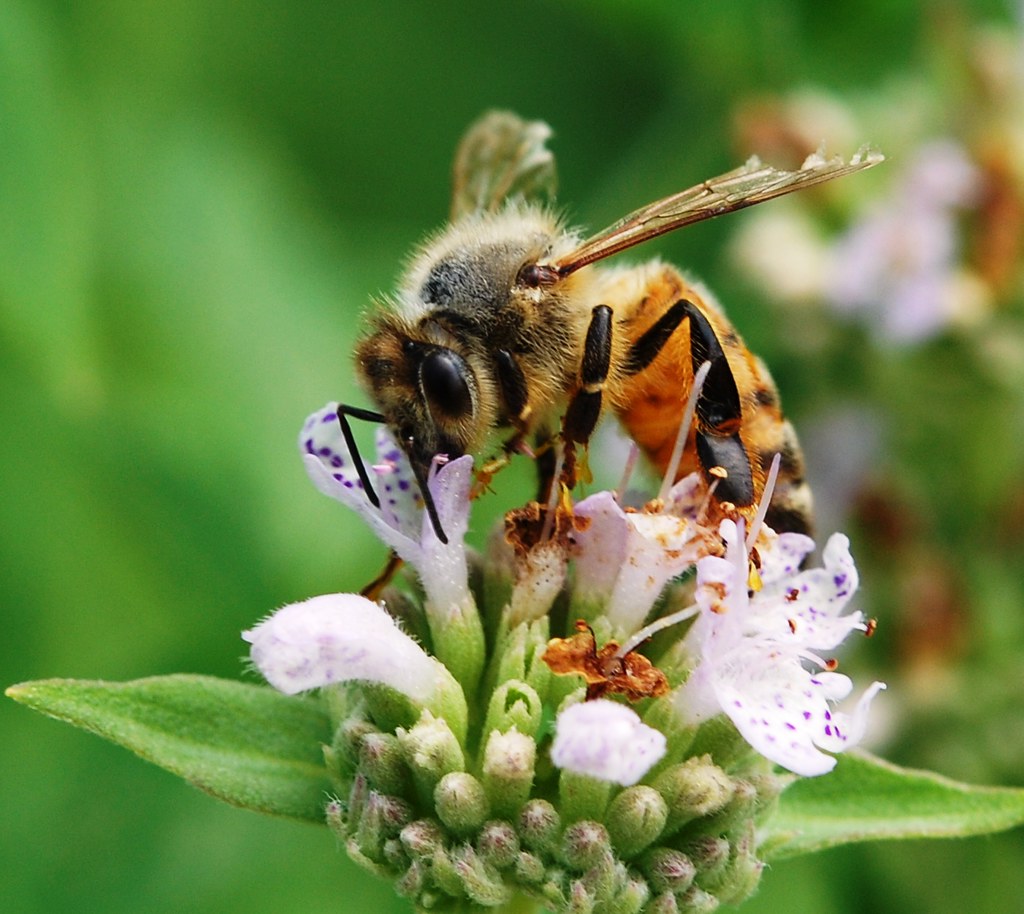
Honey bee on Pycnanthem muticum flower cluster (photo by John Baker)


Why I'm growing Pycnanthemum muticum in my garden...

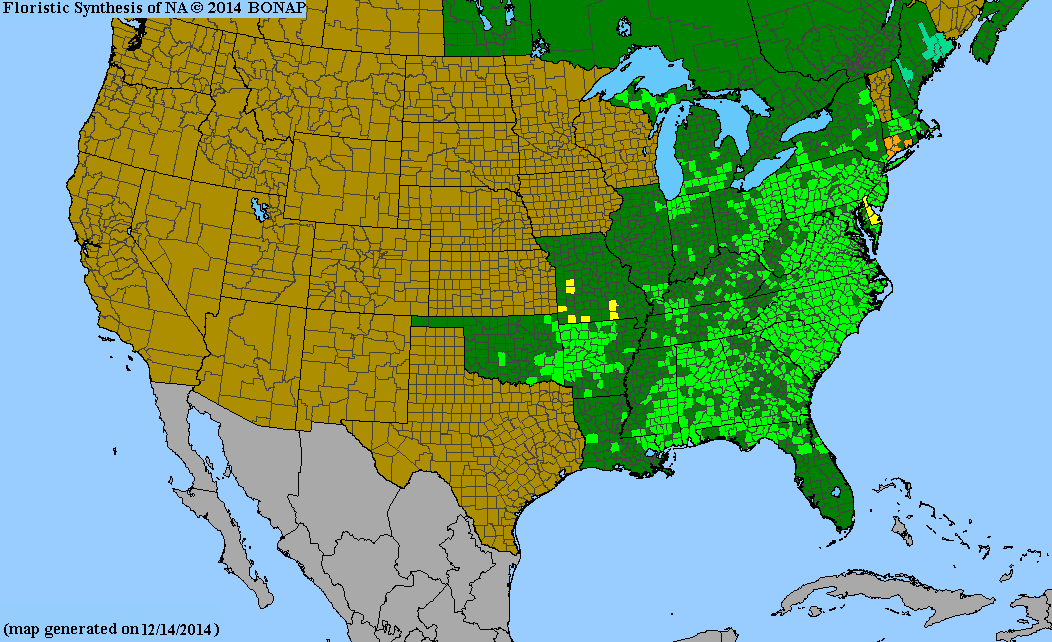
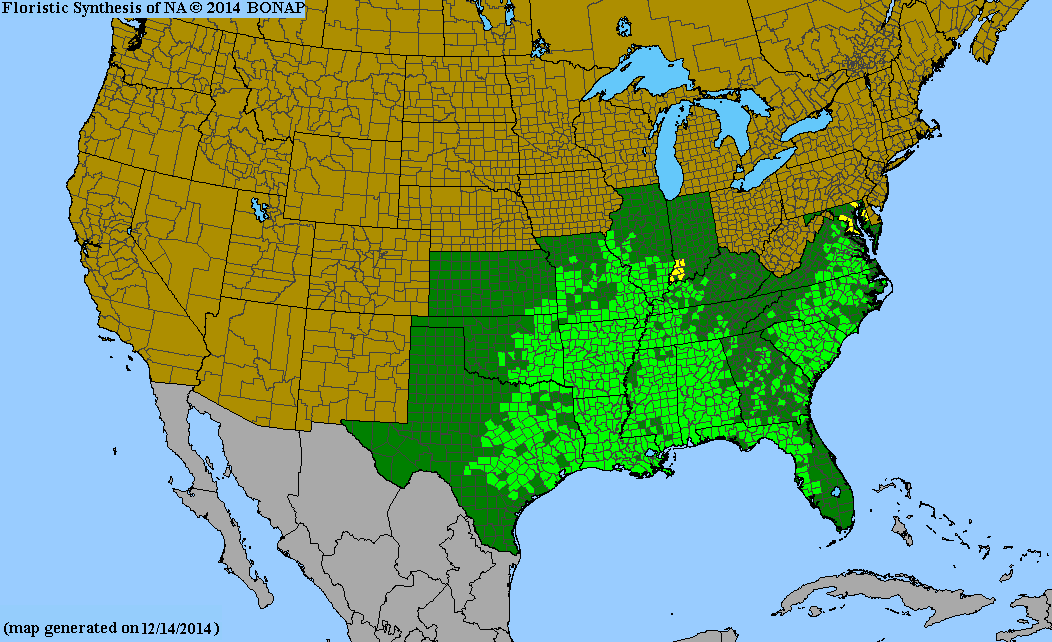
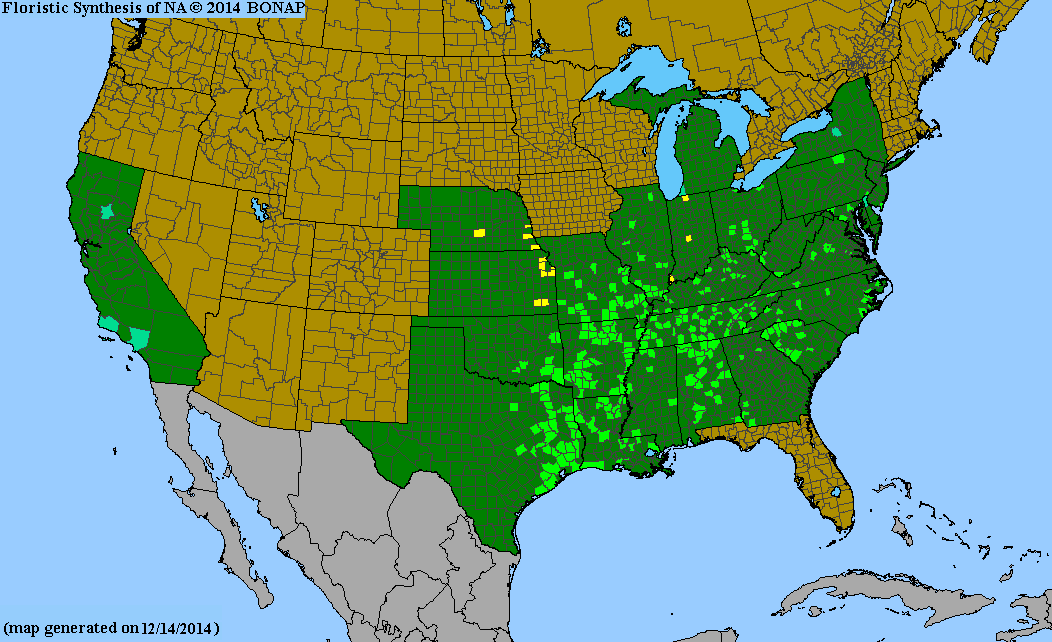
1) It's native to Tennessee, as well as scattered sites across the Southeast, Mid-Atlantic and New England from Texas all the way to New Hampshire

2) Richard Hawke, Plant Evaluation Manager at the Chicago Botanic Garden, told me that he has seen P. muticum flowers attract at least a dozen types of bees, wasps, flies, moths and butterflies!

3) Hawke also mentioned that short-toothed mountain mint is considered to be deer-resistant.

4) Holly Scoggins, PhD, Assistant Professor of Horticulture at Virginia Tech, told me that P. muticum grows tallest (up to 4 feet) in moist soil, but that it also seems to be drought-tolerant.

5) The foliage has a nice minty scent.

Note: Despite their common name, mountain mints are not true mints (which are in the Mentha genus). In fact, according to the sources I consulted at the Nebraska Regional Poison Center (NRPC), Pycanthemums contain a chemical called pulegone that can be toxic to the liver. Pulegone does double-duty as an insect repellent, and NRPC does say that it is safe to apply small amounts of the plant externally to skin or clothing to ward off insect pests.

Also, some sources I consulted say that mountain mints can spread aggressively, others say they are much less rampant spreaders than 'true' mints. Either way, if mountain mint is happy where you plant it, you should probably expect that it will try to expand. That may not be an issue (especially in its native range) if it's planted with trees, shrubs or other robust perennials, but you may want to think twice about planting it next to any demure or delicate prized perennials.

Do you grow short-toothed mountain mint? If so, what has been your experience with this plant?

Instagram

Monday, May 30, 2016

Class of 2016 -- Foeniculum vulgare ‘Rubrum’, bronze fennel

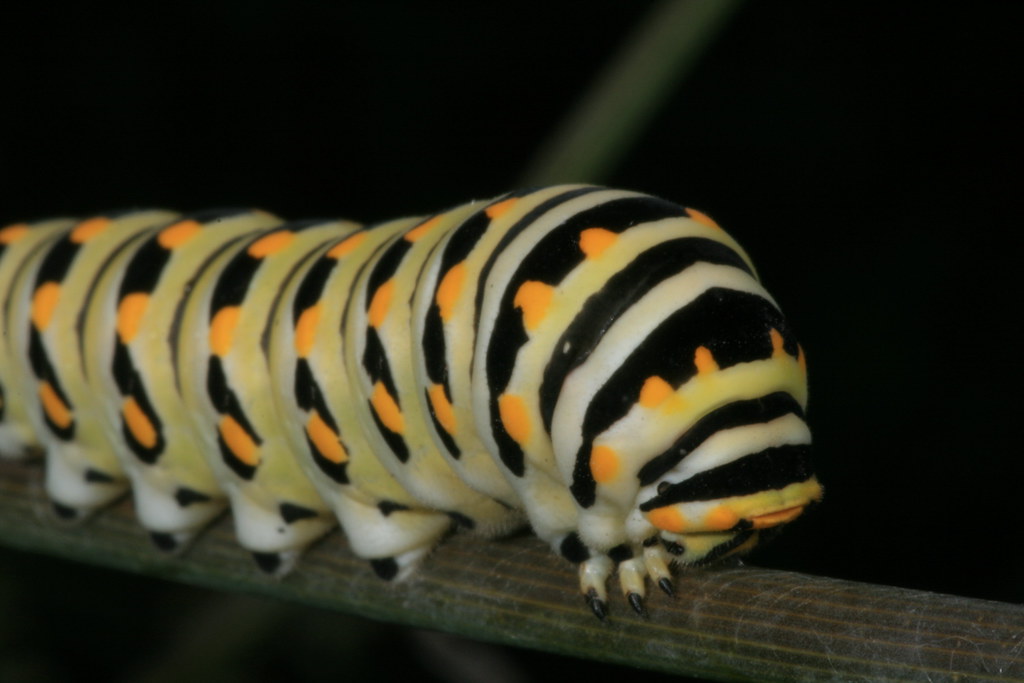
Black swallowtail caterpillar on bronze fennel (photo by John Brandauer)


Why I'm growing Foeniculum vulgare ‘Rubrum’ in my garden...

1) Cornell University calls fennel drought tolerant and says that its flowers attract beneficial insects including bees, parasitic wasps and hoverflies.

2) Cornell also notes that fennel serves as a host plant for swallowtail butterflies!

3) Fennel seeds reportedly have a sweet anise flavor and can be used for seasoning, while fennel leaves can be added to salads or used as a garnish. There are many sources on the Internet, including The Herb Society of America and Mother Earth Living, that provide advice on using Foeniculum vulgare in the kitchen.

Two warnings / cautionary notes:

1) Fennel is native to the Mediterranean and has become a seriously invasive weed in some parts of the world, including California and Washington. I would not recommend planting this herb on the West Coast, but I can't find any indication that it's running rampant in the Southeast. For instance, I don't see it on the lists of invasive plant species in TennesseeNorth Carolina, Alabama or South Carolina. In general, before adding non-native plants to your garden, it's a good idea to do your own research, consult local experts and err on the side of caution if there's any indication that an exotic plant could disrupt native plant communities in your region.

2) Tempted to nibble something that looks like fennel? Keep in mind that fennel bears some resemblance to poison hemlock (Conium maculatum). As its common name suggests, poison hemlock is reportedly really, really poisonous. Per the USDA: "People may be poisoned by eating any part of a hemlock plant. Often, poisoning occurs after the victim confuses hemlock root with wild parsnips, hemlock leaves with parsley, or hemlock seed with anise. Whistles made from hollow stems of poison-hemlock have caused death in children." King County, Washington notes that the toxins in poison hemlock can even be absorbed through the skin. Please exercise caution and don't ingest anything unless you are certain you know the identity of the plant.  

Do you grow bronze fennel? If so, what has been your experience with this plant?

Instagram

Follow Aaron Dalton on Feedio

Monday, May 23, 2016

Class of 2016 -- Osmanthus heterophyllus 'Goshiki', false holly

Osmanthus heterophyllus 'Goshiki', false holly, the small reddish leaves represent new growth, while the older leaves have green and yellow variegation.
Yep, Goshiki offers pretty a whole rainbow of colors in a single plant!


Why I'm growing Osmanthus heterophyllus 'Goshiki' in my garden...

1) I like the fact that it is a broadleaf evergreen shrub. There are not that many broadleaf evergreens that are reliably hardy in Tennessee, but Fred Spicer of the Birmingham Botanical Gardens says that O. heterophyllus should be "rock-hardy" even in USDA zone 6a.

2) Spicer also notes that false holly has excellent drought tolerance in Alabama.

3) Louisiana State University says that O. heterophyllus has fragrant autumn flowers. (Personally I have not seen or smelled any flowers yet on my false hollies.)

4) Rutgers indicates that false holly is fairly deer resistant ("seldom severely damaged").

5) Respected plantsman Michael Dirr says O. heterophyllus makes a resilient and virtually impenetrable hedge that can withstand heat, drought and pruning.

6) The Urban Forest Ecosystems Institute says that false holly flowers attract bees, while its fruit provides food for wildlife.

Do you grow false holly? If so, what has been your experience with this plant?

Instagram

Follow Aaron Dalton on Feedio

Thursday, May 12, 2016

Class of 2016 -- Oenothera fruticosa, sundrops


The sundrops have opened! Today is the second day I've seen flowers on Oenothera fruticosa.  
These are really bright, cheerful flowers that are visible way across the garden.
And the red buds provide extra appeal alongside the flowers.


Why I'm growing Oenothera fruticosa in my garden...

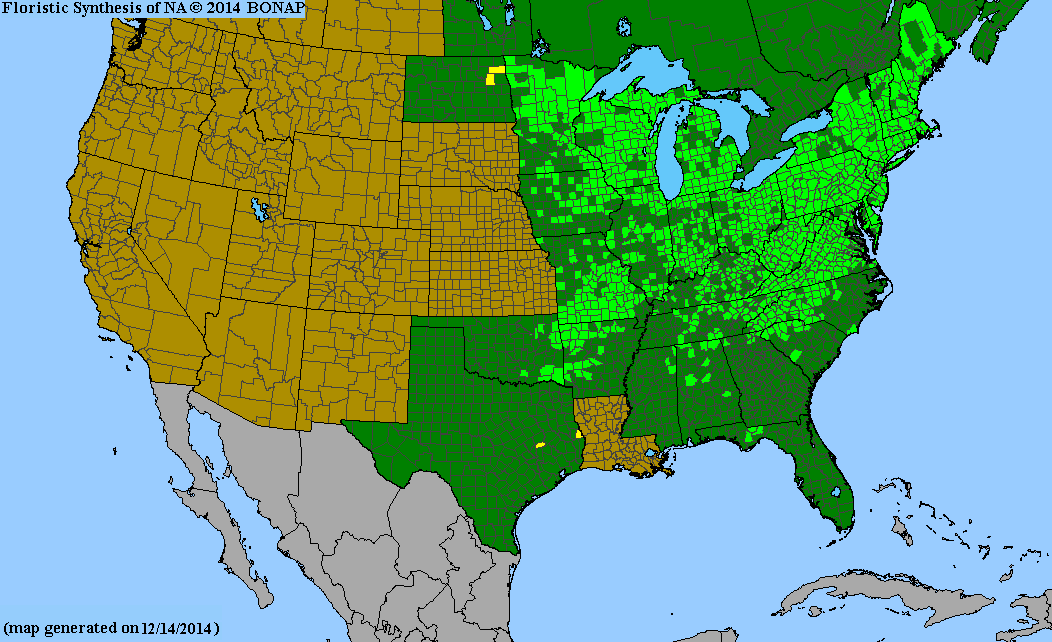
1) It's native to Tennessee and throughout much of the Eastern U.S. from Mississippi and Florida in the south all the way up to Michigan and New Hampshire in the north.

2) Virginia Native Plant Society calls it drought tolerant and deer resistant, able to grow on hot sites in poor dry soils with diurnal flowers that attract butterflies

3) Nicole Selby, a Gardener at The Scott Arboretum in Pennsylvania told me that O. fruticosa (which is also known as "narrowleaf primrose") seems to be a good plant for wildlife with insects visiting the flowers to feed on nectar, birds eating the seeds and mammals nibbling on the roots.

(That last bit about mammals eating the roots could be worrisome, but since O. fruticosa has a reputation of spreading both by seed and roots, perhaps the mammals just help keep the plant in check?)

4) Asheville Botanical Gardens says that sundrops can bloom for two months, attracting pollinators including sphinx moths, hummingbirds, honeybees and bumblebees. The foliage may have an evergreen reddish presence in winter. 

Do you grow sundrops? If so, what has been your experience with this plant?
Instagram

Follow Aaron Dalton on Feedio

Monday, May 9, 2016

Class of 2016 -- Ilex decidua, possumhaw

Ilex decidua, possumhaw holly, photo by Earl McGehee


Why I'm growing Ilex decidua in my garden...

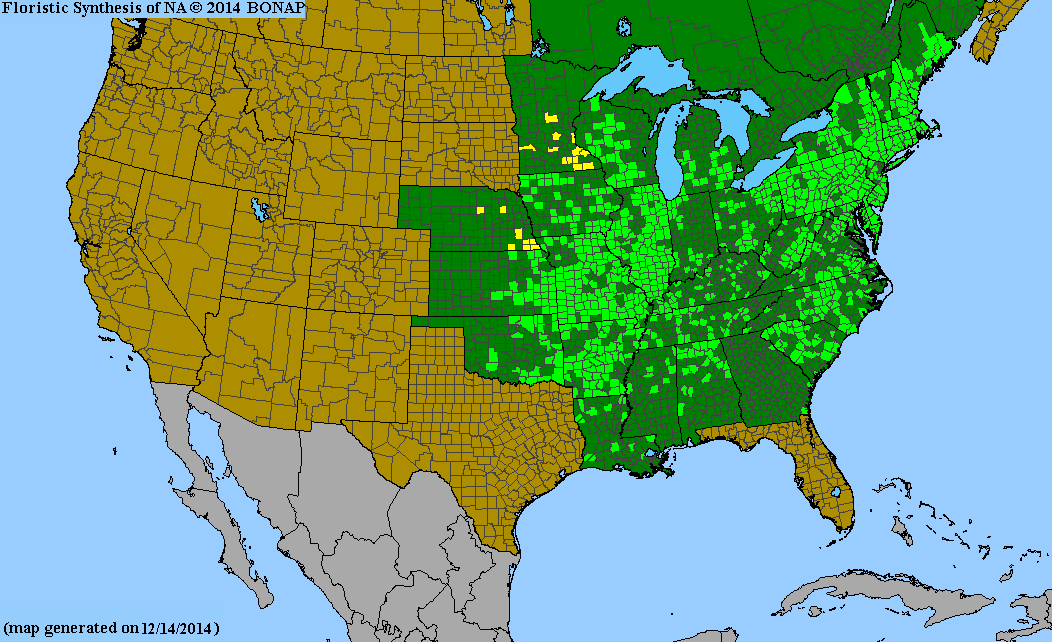
1) It is native to Tennessee, throughout the Southeast and into southern portions of the Midwest and Mid-Atlantic.

2) Powell Gardens in Kingsville, Missouri calls it drought-resistant, while Texas AgriLife Extension says it also can cope with poor drainage.

3) Missouri Botanical Garden says it can tolerate heavy clay soil.

4) From what I've seen in person at Cheekwood Botanical Garden in Nashville, Ilex decidua flowers attract bees. (Lady Bird Johnson Wildflower Center agrees that all holly flowers provide bees with a good source of nectar.)

5) As the name implies, Ilex decidua is a deciduous holly,which means its berries should be conspicuous in the wintertime. Lady Bird Johnson Wildflower Center notes that possumhaw berries provide food for songbirds, gamebirds, opossums, raccoons and other wildlife.

Note that Ilex decidua is a dioecious species, meaning that both cross-pollination must occur between male and female plants in order for the females to bear fruit. I only planted one female cultivar, so it will be interesting to see if the bees manage to bring pollen from any male possumhaws growing wild or in other nearby gardens. I'e also heard that female possumhaw plants can bear fruit if they receive pollen from male Ilex opaca (American holly) trees.

6) The Native Plant Society of Texas says that possumhaw is deer-resistant and serves as a host plant for dusky-blue groundstreak butterflies.

Do you grow possumhaw? If so, what has been your experience with this plant?

Instagram

Monday, May 2, 2016

Class of 2016 -- Packera aurea, Senecio aureus, golden groundsel


Packera aurea, golden groundsel

Why I'm growing Packera aurea in my garden...

1) It is native to Tennessee and throughout much of the Eastern and Central U.S.

2) Mt. Cuba Center recommends it as an effective, evergreen groundcover for shady spots. I'm always on the lookout for good groundcovers, especially natives.

3) The Indiana Native Plant & Wildflower Society notes that golden groundsel is a host plant for the gem moth (Orthonama obstipata).

4) Scott Woodbury, Curator of the Whitmire Wildflower Garden at Missouri Botanical Garden recommends this species, promoting it as an alternative to invasive exotic groundcovers including ivy, periwinkle and wintercreeper. He says the showy spring flowers attract tons of pollinators. Woodbury notes that Packera aurea rarely self-sows, but he says it does spread vigorously by underground rhizomes and can form a solid groundcover in a couple of years if planted on 12 to 18-inch centers.

5) Audobon at Home calls it resistant to deer browsing. (Perhaps it gets this resistance due to the presence of pyrrolizidne alkaloids that can cause liver damage in people if taken internally.)

Do you grow golden groundsel? If so, what has been your experience with this plant?

Instagram

Follow Aaron Dalton on Feedio

Monday, April 25, 2016

Class of 2016 -- Ribes aureum, Ribes odoratum, clove currant, golden currant

This clove currant (Ribes aureum) grows on a clay hillside to the east of an eastern red cedar (Juniperus virginiana). It gets a couple of hours of early morning sun, but is then in shade for the rest of the day. All clove currant photos in this post were taken on 4/22/2016.

I really like clove currant's soft, toothed foliage. I planted both of my clove currants last autumn and was pleasantly surprised to find out that they held onto their leaves into December and started leafing out very early in the spring (February). It just goes to show that not all 'deciduous' shrubs have the same visual impact in the landscape. Something like Vitex agnus-castus (chaste tree) or crape myrtle (Lagerstroemia spp.) could be bare for 5 months of the year, whereas clove currant could have foliage for all but 2 months of the calendar here in Tennessee.

Here's a close-up on the clove currant leaves. Sorry for the flash effect, but it was the only way I could capture any detail on the small insect (bee?) that I noticed resting on one of the leaves.


Why I'm growing Ribes aureum in my garden...

1) Although it is native mainly to western North America, there are fairly significant populations not too far west of here in Arkansas and Missouri, plus waif populations in Tennessee and other parts of the Eastern U.S.

2) The British Beekeepers Association reports that clove currant flowers provide nectar and pollen to bees.

3) UC Davis says that the flowers also attract butterflies and beneficial insects.

4) Missouri Botanical Garden recommends it as one of the best shrubs for heavy clay soils.

5) Pacific Horticulture claims that golden currant fruits are excellent for desserts and jellies. Clove currants are dioecious (meaning cross-pollination must occur between male and female plants in order for the females to produce fruit). Although there are female cultivars like 'Crandall', the straight species plants are generally sold unsexed. I bought two shrubs, but I don't know whether I have two males, two females or one of each. If I get lucky and cross-pollination does occur successfully, then the female shrub should produce fruit. 

Do you grow clove currant? If so, what has been your experience with this plant?

Note: Commenter HKCL mentions below that currant growing is banned or restricted in certain states, such as New Jersey. I could not find an official list of such restrictions in the U.S., so here is a link to a recent unofficial list.

Instagram

Monday, April 11, 2016

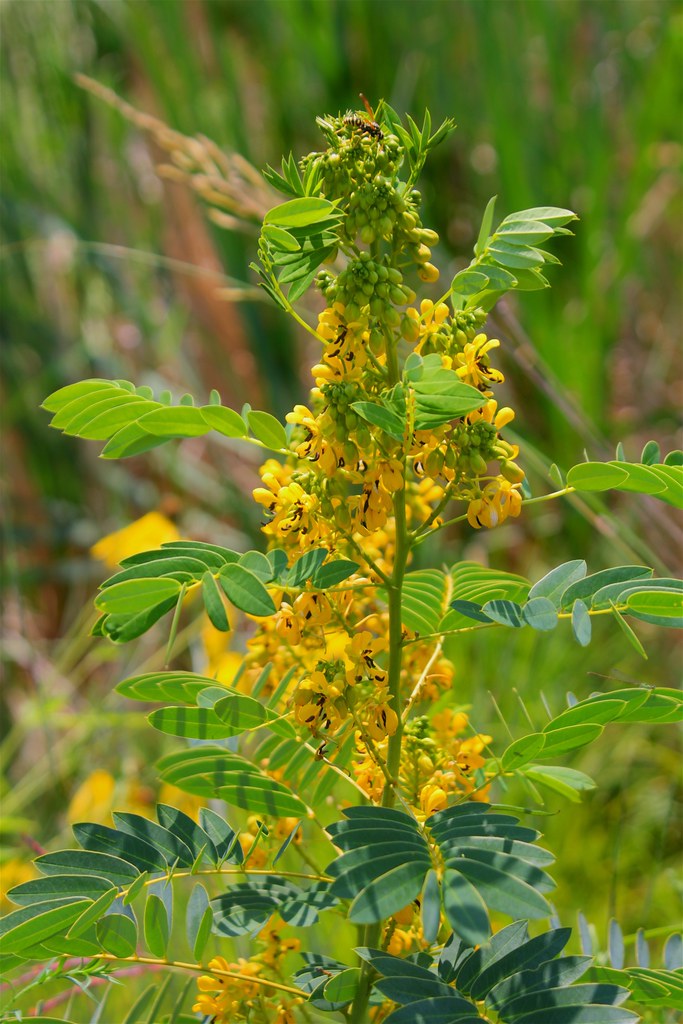
Class of 2016 -- Senna marilandica, wild senna

Senna marilandica, wild senna, photo by Dan Mullen

Why I'm growing Senna marilandica in my garden...

1) It's native to Tennessee and throughout much of the Southeast and Midwest.

2) Missouri Botanical Garden says it can tolerate both heat and humidity.

3) Cornell says it grows well poorly-drained clay soils.

4) According to University of Florida, it serves as a host plant for cloudless sulphur butterflies.

5) Per the Georgia chapter of the North American Butterfly Association, wild senna also serves as a host plant for sleepy orange butterflies.

6) The Midwestern Native Garden says that Senna marilandica flowers attract bees and some butterflies, while secondary nectaries attract ants and lady bugs that protect the plants from predators. The book also indicates that wild senna serves as a host plant for other butterfly species including little yellow, silver-spotted skipper and gray hairstreak butterflies.

7) The Illinois Natural History Survey says the flowers can also attract hummingbirds, while stands of wild senna provide excellent nesting cover to wildlife.

8) The U.S. Fish and Wildlife Service says that wild senna seedpods are an important source of food for upland gamebirds.

Do you grow wild senna? If so, what has been your experience with this plant?

Instagram

Monday, April 4, 2016

Class of 2016 -- Fragaria virginiana, wild strawberry


Fragaria virginiana, wild strawberry, photo by Walter Siegmund via Wikimedia Commons


Why I'm growing Fragaria virginiana in my garden...

1) It's native to Tennessee and across much of the Continental U.S.

2) According to Michael Kost at the University of Michigan Matthaei Botanical Gardens and Nichols Arboretum, wild strawberry flowers attract pollinators, while the small fruits that follow are edible for both people and wildlife.

3) The Lady Bird Johnson Wildflower Center says that Fragaria virginiana serves as a host plant for the larvae of grizzled skipper and gray hairstreak butterflies.

4) I'm always on the lookout for groundcover candidates -- especially natives. Kost says that F. virginiana can spread relatively quickly, especially in partial to full sun, but that wild strawberry has shallow roots that make it easy to remove the plant if it expands out of bounds.

Do you grow wild strawberry? If so, what has been your experience with this plant?


Instagram

Monday, March 28, 2016

Class of 2016 -- Coreopsis tinctoria, plains coreopsis


Plains coreopsis, Coreopsis tinctoria, photo by RI via Wikimedia Commons


Why I'm growing Coreopsis tinctoria in my garden...

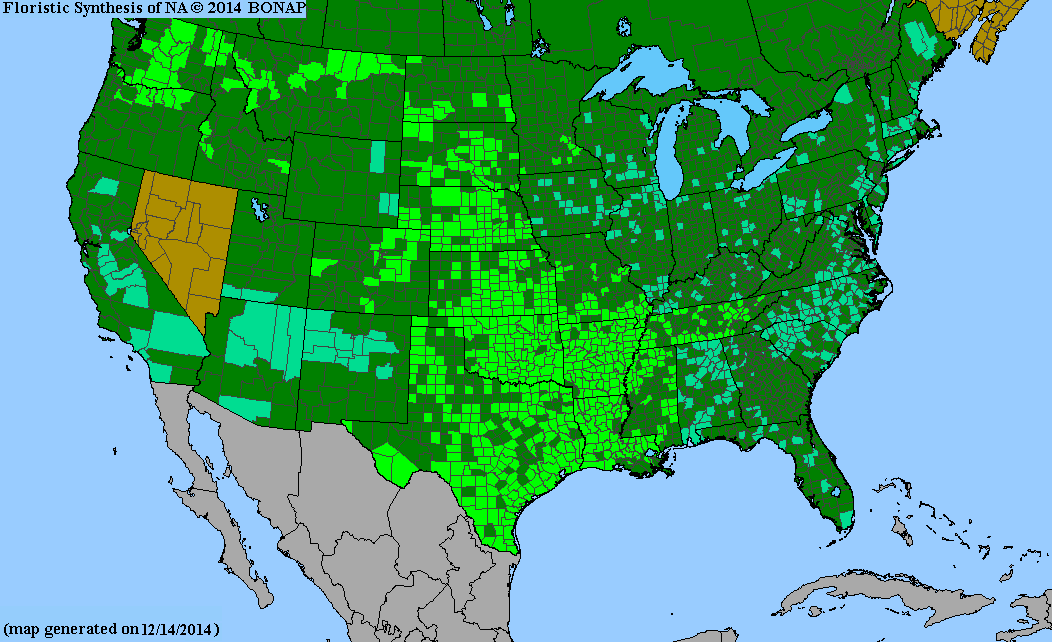
1) It's native to Tennessee, the Central Plains, the Pacific Northwest and scattered locations throughout the U.S.

2) The Lady Bird Johnson Wildflower Center says that plains coreopsis flowers provide nectar to bees and butterflies, while its seeds provide food for birds.

3) Missouri Botanical Garden says it can tolerate heat, humidity, clay soil and some drought.

4) This is an annual flower, but hopefully it will persist in the garden through self-sowing.


Do you grow plains coreopsis? If so, what has been your experience with this plant?

Instagram

Monday, March 21, 2016

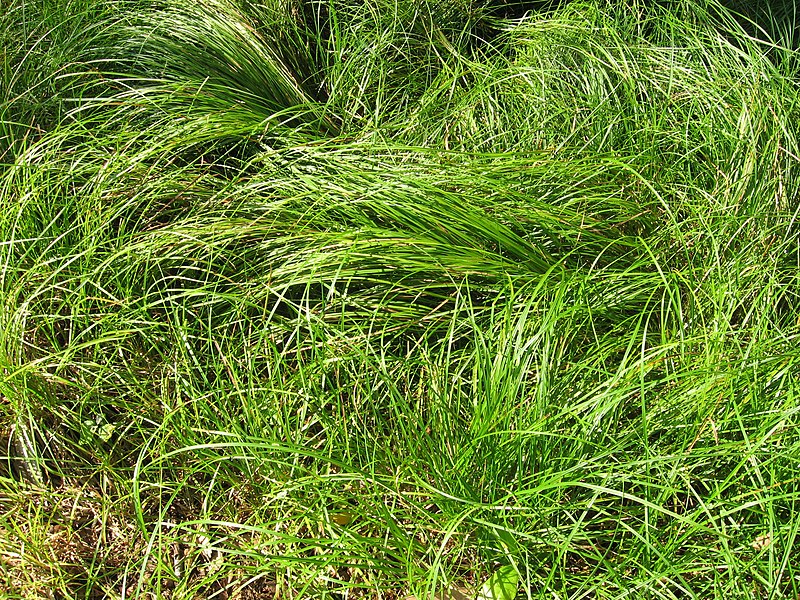
Class of 2016 -- Sedges - Carex albicans, Carex annectens, Carex muskingumensis, Carex pensylvanica and Carex texensis


Carex pensylvanica, Pennsylvania sedge, photo by Chhe via Wikimedia Commons
Carex pensylvanica, Pennsylvania sedge, photo by Chhe via Wikimedia Commons


Why I'm growing sedges in my garden...

1) Carex albicans (oak sedge), C. annectens (yellowfruit fox sedge), C. pensylvanica (Pennsylvania sedge) and C. texensis (Texas sedge) are all native to Tennessee. Carex muskingumensis (palm sedge) rarely occurs in this state, but it is native nearby in Missouri, Kentucky and elsewhere in the Midwest.

2) Carex is a huge genus (Wikipedia estimates almost 2,000 species!) of grassy plants. I'd like to try some of the native species of Carex to see whether any of them might make good groundcover candidates. Since there are so many Carex species in different ecological niches (sun, shade, wet, dry, etc.), I'm hoping I can find sedges that will work in different spots around my garden.


Do you grow any of these sedges? If so, what has been your experience with these plants?


Instagram

Monday, March 14, 2016

Class of 2016 -- Asclepias viridis, green antelopehorn


Asclepias viridis, green antelopehorn, photo by mmarchin via Wikimedia Commons

Why I'm growing Asclepias viridis in my garden...

1) It's native to Tennessee and other portions of the Southeast and lower Midwest.

2) Missouri Botanical Garden calls it drought-tolerant and deer-resistant, with flowers that provide nectar for butterflies.

3) The leaves provide food for the larvae of monarch butterflies, which need all the help they can get to survive and migrate.

4) As with partridge pea and redwhisker clammyweed, it just seems like it would be fun to grow and discuss a plant called 'green antelopehorn'. :)


Do you grow green antelopehorn? If so, what has been your experience with this plant?


Instagram

Monday, March 7, 2016

Class of 2016 -- Ratibida pinnata, grey-headed coneflower


Ratibida pinnata, grey-headed coneflower, photo by Glen Fell, Chicago Botanic Garden


Why I'm growing Ratibida pinnata in my garden...

1) It's native to Tennessee and elsewhere in the Southeast and Midwest.

2) Michigan State University says the flowers attract bees and other beneficial insects.

3) The USDA says the flowers attract butterflies throughout the summer, while birds feed heavily on the seedheads in autumn.

4) University of Minnesota says that grey-headed coneflower can grow well in heavy clay soil.


Do you grow grey-headed coneflower? If so, what has been your experience with this plant?

Instagram

Monday, February 29, 2016

Class of 2016 -- Polanisia dodecandra, redwhisker clammyweed

Redwhisker clammyweed, Polanisia dodecandra, photo by Jim Pisarowicz via Wikimedia Commons

Why I'm growing Polanisia dodecandra in my garden...

1) Although it is not really native to Tennessee (though there is a waif population in the state), it is considered native throughout much of the U.S. including neighboring states such as Arkansas, Missouri and Kentucky.

2) Scott Woodbury at Missouri Botanical Garden says this Cleome relative can bloom non-stop from July through September, attracting butterflies, bees and hummingbird clearwing moths.

3) Like partridge pea, Polanisia dodecandra is an annual plant, but Woodbury says it can persist in a garden for many years by reliably self-sowing.

4) Woodbury also calls P. dodecandra drought tolerant and says it can adapt to a wide range of soils and drainage conditions.

5) How could anyone not want to grow a plant called 'redwhisker clammyweed'? :)

Do you grow redwhisker clammyweed? If so, what has been your experience with this plant?
Instagram

Monday, February 22, 2016

Class of 2016 -- Chamaecrista fasciculata, partridge pea, sensitive plant

Partridge pea, Chamaecrista fasciculata, photo by Fritz Flohr Reynolds via Wikimedia Commons

Why I'm growing Chamaecrista fasciculata in my garden...

1) It is native to Tennessee and throughout most of Eastern and Central North America.

2) The USDA says that partridge pea seeds provide food for quail, prairie-chickens, pheasants, ducks and other grassland birds, while nectar from glands at the base of each leaf provide nutrition for bees.

3) Although I usually favor perennials, I'm willing to take a chance on this annual. Andrea DeLong-Amaya at the Lady Bird Johnson Wildflower Center told me that partridge pea is a drought-resistant annual that self sows reliably enough to persist in the garden for years.

4) DeLong-Amaya also mentioned that partridge pea is a larval food plant for several species of sulphur butterflies, including the cloudless orange and sleepy orange.

5) In photos I've seen, the flowers, seedpods and foliage all look gorgeous.

Do you grow partridge pea? If so, what has been your experience with this plant?

Instagram

Monday, February 1, 2016

Class of 2016 -- Rosa 'Carefree Beauty', shrub rose

'Carefree Beauty' shrub rose, photo by Malcolm Manners


Why I'm growing 'Carefree Beauty' in my garden...

1) My wife likes roses!

2) I would describe some kinds of popular roses as ecologically inert. The only insects they seem to attract are Japanese beetles! But Sarah Rummery, Horticulture and Grounds Manager at the Reiman Gardens at Iowa State says that 'Carefree Beauty' has flowers that attract bees and other pollinators, while the rose hips that follow provide food for wildlife.

3) I was impressed by Dee Nash's enthusiastic review and beautiful photos at Red Dirt Ramblings.

PS - I hesitated to grow any roses in my garden after reading about the scourge of Rose Rosette Disease, but I figured I'd take a chance with just a couple of roses in the garden.

Do you grow roses? If so, which are your favorites and have you had any problems with Rose Rosette Disease?

Instagram

Monday, January 18, 2016

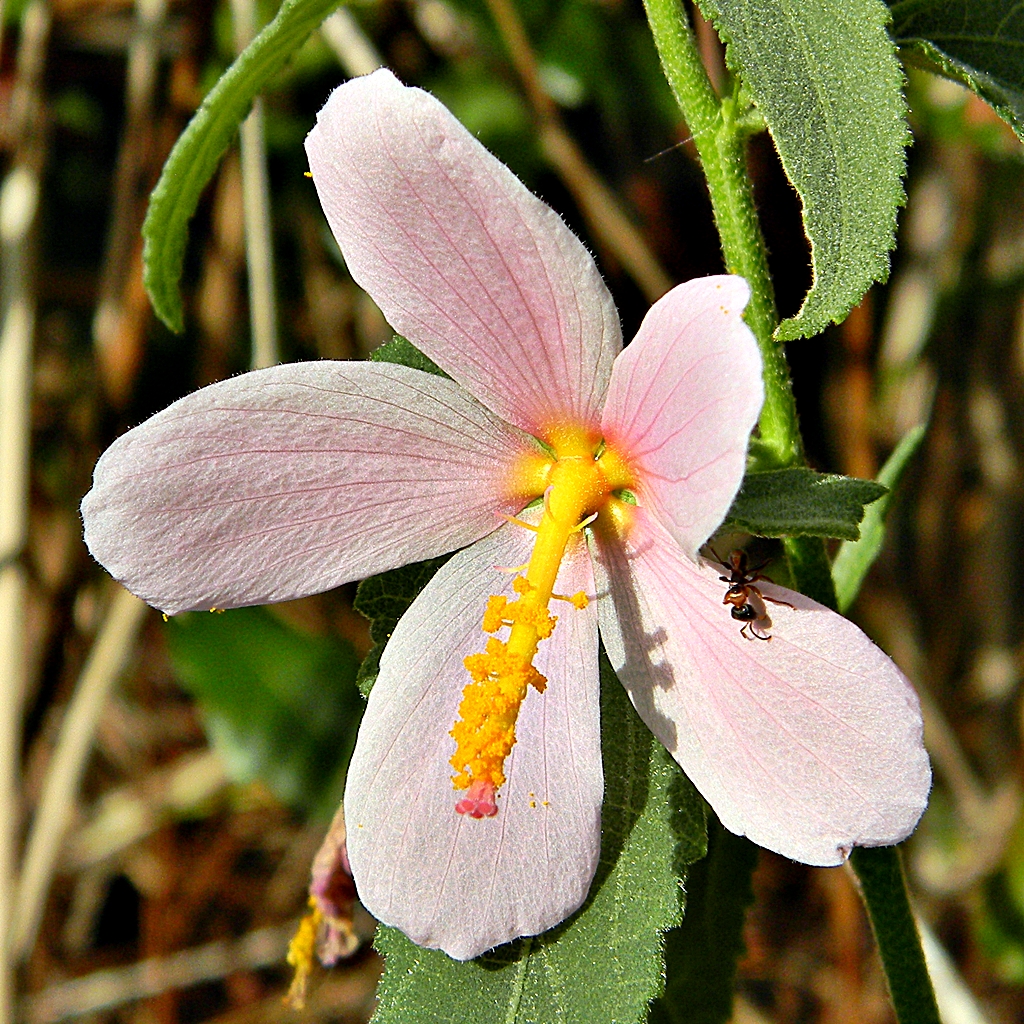
Class of 2016 -- Kosteletzkya virginica, seashore mallow

Kosteletzkya virginica, seashore mallow, photo by Bob Peterson


Why I'm growing Kosteletzkya virginica in my garden...

1) It's native to the Southeastern U.S. (although as the name suggests, it's really only native to marshy, coastal places from Texas to Florida and up to Maryland).

2) Despite the fact that it naturally occurs just at the coast, Heather Alley, Conservation Horticulturalist at the State Botanical Garden in Athens, Georgia says that seashore mallow has thrived through downpours and droughts in her inland botanical garden over a number of years.

3) Both my wife and I like hibiscus flowers (in fact, I'm already growing Hibiscus moscheutos, H. syriaca and H. coccineus in my garden), so I'm eager to try growing another member of the Hibiscus family.

4) Alley says that the flowers are attractive to bumblebees and that Kosteletzkya virginica can self-sow and provide some volunteer plants.

Do you grow seashore mallow? If so, what has been your experience with this plant?

Instagram

Monday, January 11, 2016

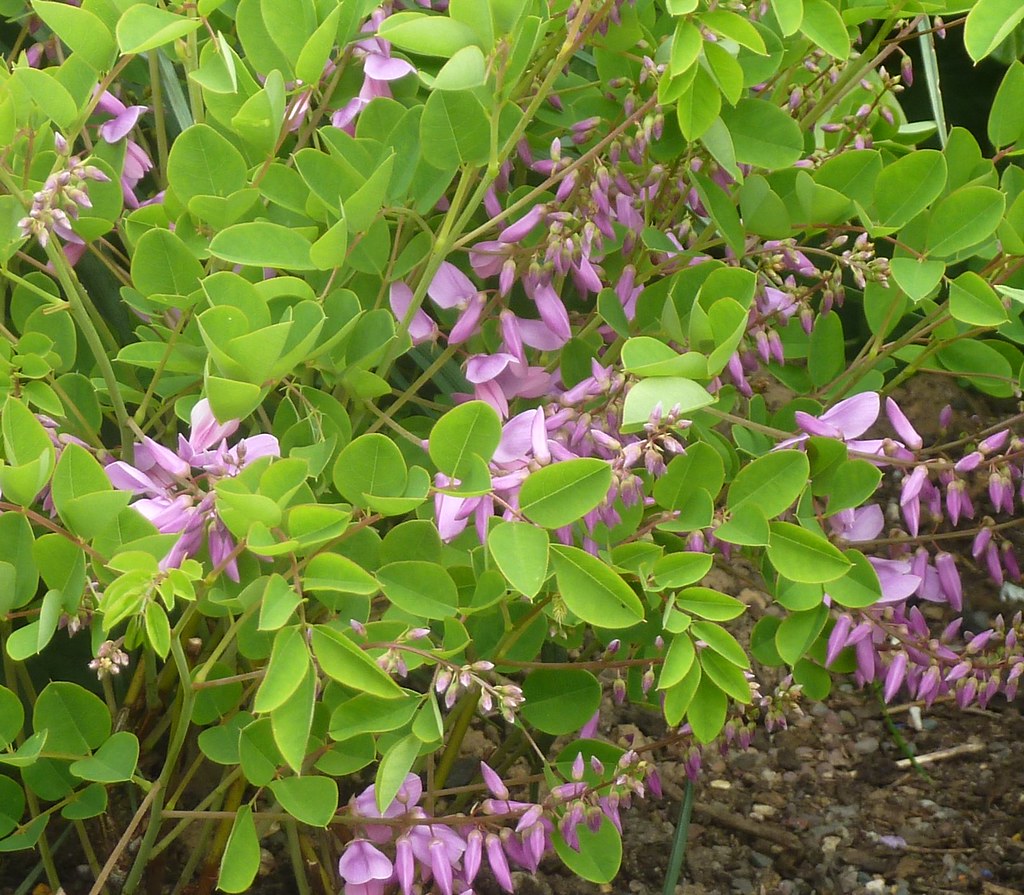
Class of 2016 -- Indigofera kirilowii, Chinese indigo

Chinese indigo, Indigofera kirilowii, photo by peganum


Why I'm growing Indigofera kirilowii in my garden...

1) Cornell highly recommends it as a deciduous woody groundcover that spreads by root suckers and (as a member of the pea family) can fix nitrogen in the soil.

2) This suckering habit makes it a good choice for protecting slopes and embankments from soil erosion, per the Arnold Arboretum.

3) Scott Beuerlein at Cincinnati Zoo & Botanical Garden calls Kirilow indigo an 'amazingly tough shrub' that blooms for a long time and attracts a fair amount of bees, butterflies and other pollinators.

4) Based on the photos I've seen, the flowers seem beautiful and I like the smooth foliage, which reminds me a little of a Baptisia australis that I grow.

Do you grow Chinese indigo? If so, what has been your experience with this plant?
Instagram

Monday, January 4, 2016

Class of 2016 -- Conoclinium coelestinum, blue mistflower


Happy New Year!

I hope you all will have a wonderful, exciting (yet peaceful) and happy 2016!

This year, many of my blog posts will be for the purpose of introducing new plants that I'm adding to the Garden of Aaron.

Some of these plants were actually added to the garden a few months ago, but since 2016 will be their first growing season, I'll be introducing them throughout this year.

My plant is to introduce one new plant each Monday morning.

As the year progresses, the introductions probably will come to include some details about how the plants have performed their first year in the garden.

Without further delay, here's the first introduction!

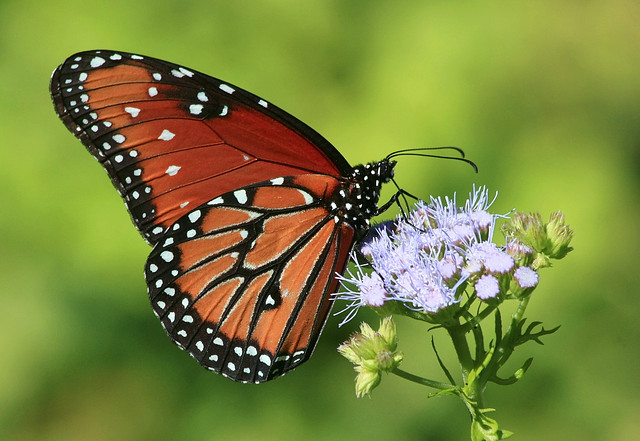
Butterfly visiting blue mistflower, Conoclinium coelestinum (photo via TexasEagle)

Why I'm growing Conoclinium coelestinum in my garden...

1) It's native to Tennessee and much of the Eastern U.S.

2) Gail at clay and limestone gave it an incredibly enthusiastic review, praising its ability to support butterflies, bees and birds.

3) I purchased some cut stems of blue mistflower from Laura Bigbee-Fott at a Nashville farmers market last summer and was impressed by the way that the flowers lasted up to 2 weeks in a vase.

4) It is supposed to be drought tolerant, capable of growing in full sun or partial shade, and resistant to damage from both deer and rabbits.

5) Some gardeners say it can spread too aggressively, which gave me pause. But I have a lot of open space to fill in a couple of garden beds in the backyard, so I figure I won't mind if this native wildflower naturalizes itself back there -- especially given its wildlife-friendly qualities.


Do you grow blue mistflower? If so, what has been your experience with this plant?

Instagram