Showing posts with label Cranesbill Geranium. Show all posts

Friday, April 21, 2017

No One to Blame but Myself - Geranium sanguineum and Ajuga genevensis

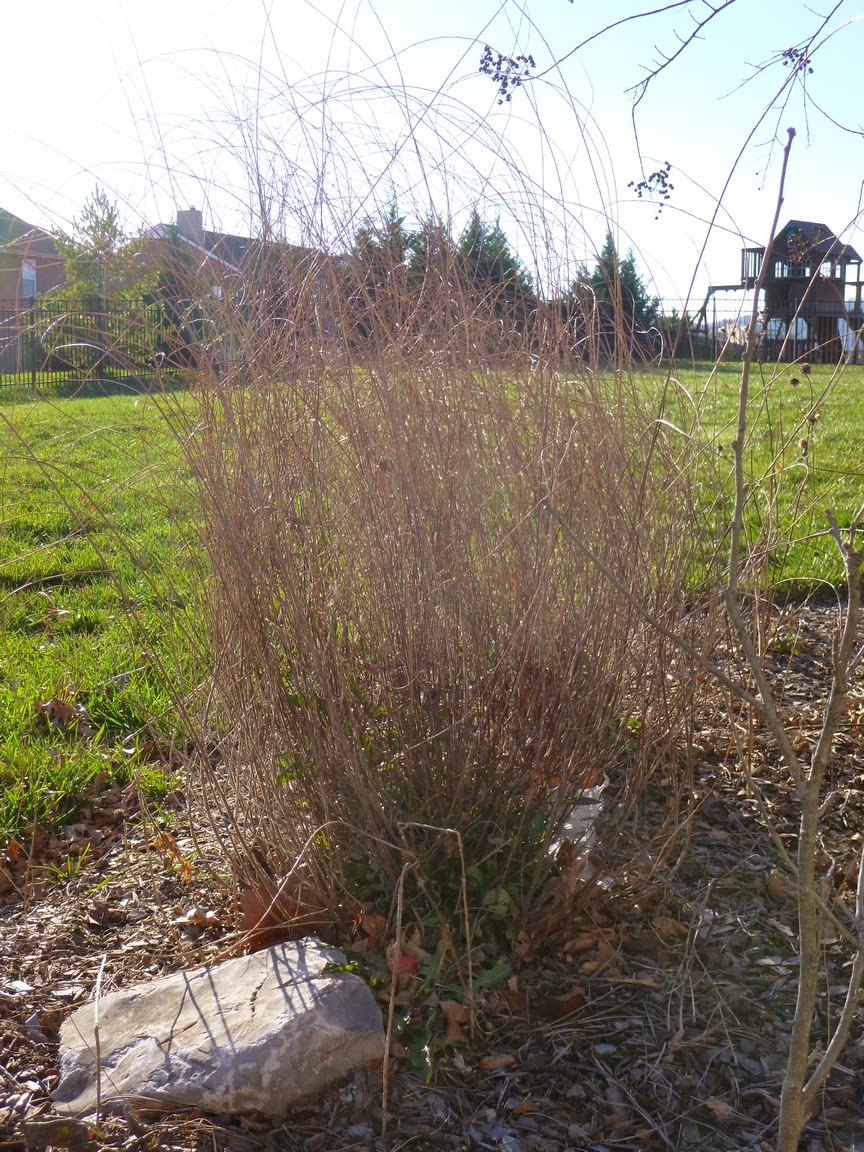
Geranium sanguineum looks innocent, but it's a bloody nuisance to remove
Geranium sanguineum looks so innocent, but don't be fooled. I've tried ripping out this plant about five times and it keeps growing back!

I have weeds aplenty.

Some blow into my garden (dandelions, for instance), while others (looking at you, wild grape and oak seedlings) presumably are gifts from birds or squirrels.

That's OK. It's part of the gardening life. As I cover more ground with plants I do want in the garden, I anticipate gradually being able to displace some of those I don't want in the garden.

Meanwhile, I pull. And use the CobraHead.

But what really burns my biscuits are the plants that I add to the garden and then decide were awful, terrible, no-good mistakes that must be evicted.

Sometimes, I shovel-prune plants (looking at you, gardenia and Carolina allspice) because they have died. That's discouraging, but at least those mistakes don't come back to haunt me.

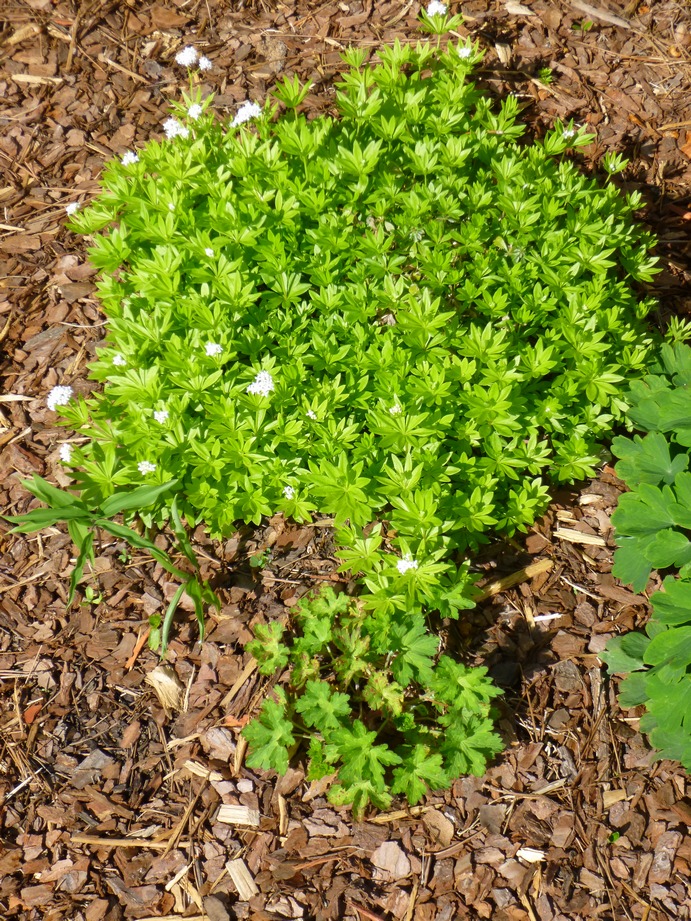
Other times, I have to work a bit harder to rip out overly aggressive / invasive plants (e.g., lemon balm, creeping raspberry, blue star creeper, sweet woodruff) that wear out their welcome, but at least those guys have the decency to leave for good when asked. (And when I say "asked," I mean ripped out of the ground.)

I had a tough time kicking out hardy blue plumbago. It kept trying to make a sly comeback with a stem or two here and there, but I think I've finally gotten rid of it.

Still, none of those compare to the challenge I've had removing Geranium sanguineum and Ajuga from my sticky clay soil.

This is a good time to note that there can be massive differences between the way different species from the same genus behave in the garden. What I'm trying to say is - Just because G. sanguineum has been a bully in my garden, don't tar all the other cranesbill geraniums with the same brush.

'Rozanne' hybrid geranium is a perfectly well-behaved herbaceous perennial that flowers for months. In my experience, it doesn't quite have the heat tolerance or drought tolerance to thrive in a tough-love garden setting in Tennessee, but it's still a very nice plant.

And 'Biokovo' cranesbill geranium (G. x cantabrigiense) is one of my favorite geraniums and one of the top groundcovers I've found for Tennessee. It's basically evergreen here, developing nice red tints to the foliage in winter, has nice flowers that attract bumble bees and expands at a manageable pace. If it goes someplace unwanted, I've found it easy as pie to lift up and remove or relocate a chunk.

Then there's G. sanguineum - bloody geranium. I suppose it's called 'bloody geranium' because of its bright red roots, but it deserves the name for being a bloody nuisance. OK, I'll give it props for being fairly tough and semi-evergreen, but it's quite aggressive. Once it's established, it starts spreading far and wide via deep (relative to the size of the above-ground plant) and thick roots.

Even small blood geranium clumps put down deep roots before they start spreading laterally.

Try to remove the plant and those roots tend to snap (at least when you're pulling them from sticky, heavy clay - sand or loam might be a different story). Leave any bits of roots in the soil and the plant will reemerge to laugh at you behind your back. There are places where I've dug wide holes 10 inches deep trying to get all the root fragments and the plant still pops up after I've backfilled or jumps up somewhere nearby. (I think it also spreads a bit by seeding, though fortunately the seedlings show up near the parent plant and the self-seeding has not been rampant.)

Meanwhile, I'm loathe to plant anything else where I've tried to evict the bloody geranium, because I worry that the geranium will pop up again and I'll have to dig up the whole area, damaging the new plant.

So right now, I have a number of holes and bare spots in the garden where I'm just waiting for the bloody geranium to re-emerge so I can dig up another missed root. I suspect this will continue for months. At least.


Ajuga genevensis returns after a weeding attempt
Ajuga genevensis after I tried ripping it out last winter. Clearly, I failed the first time around.


Ajuga genevensis is in the same category. Well, except that the roots don't go as deep and I haven't tried ripping out (yet) as many times as the bloody geranium.

Still, from the picture above, you can see that it hasn't been impressed by my eviction efforts. I thought I'd torn out a rather large, thick patch of A. genevensis last winter, but clearly all I did was prune it.

Once I had praised A. genevensis for being less aggressive (and more evergreen in Tennessee) than the typical Ajuga (A. reptans) that you usually find at plant nurseries. It's true that A. reptans spreads a bit faster and less predictably, but I've found all the Ajugas are challenging to remove through hand pulling.

I hope my experiences save some other gardeners time, effort and hair-pulling.

Meanwhile, I continue to evaluate groundcover alternatives, focusing on natives. As I mentioned in a recent post, I think that effort is bearing fruit.

I'll keep observing and plan to post an update either at the end of this year or next spring with an overview of the best groundcover candidates so far.

How about in your garden? Have you planted anything aggressive that you later regretted? If so, did you succeed in evicting it or have you given up and simply found a way to live with it?


Instagram

Follow Aaron Dalton on Feedio

Wednesday, June 15, 2016

Here's another great plant for attracting bees - Biokovo cranesbill geranium!

Almost three years ago, I published a blog post extolling the virtues of perennial cranesbill geraniums as groundcovers.

At that time, I did a little kvetching about the fact that the cranesbill geraniums didn't seem to do a great job of attracting pollinators (which is always a high priority for me).

Well, I've added more cranesbills and they've expanded their territory and this year, for the first time, I noticed the 'Biokovo' variety of Geranium x cantabrigiense attracting a lot of bees - both bumblebees and honeybees!

The other cranesbills that I have - 'Rozanne' and a couple cultivars of Geranium sanguineum - don't seem as attractive to the bumbles or the honeybees, but they do seem to generate some interest from teeny-tiny pollinators (probably some sort of hoverfly or tiny wasp).

Anyway, there's no way that my camera is good enough to capture a video of the hoverflies, but I was able to shoot this short film of a bumblebee buzzing his way among 'Biokovo' flowers.

Enjoy!


PS - Over time, I've changed my mind on a lot of groundcovers (and other plants). but I still think cranesbill geraniums -- especially the 'Biokovo' cultivar -- make excellent groundcovers, at least in my Tennessee garden!

Instagram

Follow Aaron Dalton on Feedio

Friday, March 13, 2015

What a Creep!

Creeping raspberry not looking its best. Unfortunately, I've found this mass of dead stems to be a common sight in back-to-back Tennessee winters. Would the plant look prettier in a warmer climate? No doubt. But it would also probably expand faster, and that's a somewhat scary thought for a non-native species with few obvious wildlife benefits. I'd be especially wary of planting this next to any wild areas where it could expand and try to outcompete native vegetation. Oh and notice how despite its rampant growth, it has failed to block out all the love-in-a-mist seedlings poking through in the foreground.

I'm not talking about the iconic Radiohead song from the 1990s, but rather the creeping raspberry (Rubus rolfei, a.k.a. R. calycinoides or R. pentalobus).

I've reported on this plant twice before:

- In October 2013, I was over the moon with anticipation that I'd found the perfect groundcover. I waxed rhapsodic about its merits - the scalloped crinkly leaves, its supposed evergreen foliage, its rapid growth rate and its reported wildlife value (flowers for pollinators, berries for birds and mammals - including people).

- By April 2014, I was singing a different tune after the creeping raspberry died back to the ground in the winter of 2013-14 and took a long time to emerge in the spring. My dreams of a trouble-free evergreen groundcover disintegrated as I clipped back tough raspberry stems with dried dead leaves.


Now it's March 2015 and I've permanently broken up with creeping raspberry. After another colder-than-average winter (8th coldest February on record in Tennessee), creeping raspberry once again had lots of unsightly, dead stems.

After three growing season in the garden, the biggest plant had rooted all along its runners to establish a thick multi-layered patch that spilled out of a bed and onto a sidewalk. All the new plantlets grew so fast that they created maintenance work in the garden as I had to trim back the runners pretty frequently to prevent them from covering the sidewalk. (I'm pretty sure that left on its own, creeping raspberry would have crept right over the sidewalk and rooted into the grass on the other side.)

Creeping raspberry roots all along its nodes. These rooted sections send out their own runners, so the plant self-propagates and expands with ease. Too much ease for my comfort, especially when we're talking about a non-native plant with little obvious wildlife benefit and limited aesthetic appeal.


Those berries and flowers I'd hoped for to give the groundcover wildlife appeal (and provide a handful of fruit now and then for me)? Never saw them. (Well, I saw a single flower the first year I had the plant in the garden, but nothing ever bloomed after that. Perhaps creeping raspberry only blooms on old wood and thus can't flower or fruit in a climate where it keeps getting killed back to the ground?)

Creeping raspberry is a conundrum. Despite its wild and wandering ways, despite its multi-layered foliage, it still doesn't do that great a job of blocking weeds. In fact, I'd say it's least effective at blocking weeds than any of the other groundcovers I'm trialing in my garden (such as lamb's ear, perennial geraniums, creeping veronica, epimediums, ajuga or lady's mantle).

This is a Cambridge geranium (Geranium x cantabrigiense) called Biokovo. So far, I'd say it makes a much better groundcover than the creeping raspberry here in Tennessee. As you can see, it's stayed mostly evergreen through the winter with some nice reddish highlights in the foliage. Unlike the creeping raspberry that forms tough and wiry stems, I've never needed to cut back Biokovo. The last year's foliage slowly fades away and is superseded by fresh new foliage, plus Biokovo gives you weeks of white flowers with pink centers. The dense foliage does an excellent job of blocking weeds and the clump has expanded at a measured pace while staying dense in the center. 


So yesterday I decided it was time to give creeping raspberry the heave-ho. It did not go without a fight. That main clump which had only been in the garden for around three years had set some serious roots. In some ways, it was like trying to dig out a small shrub. To give you an idea, I had a much easier time digging out three (less-established) clumps of Amsonia hubrichtii (Arkansas blue star), no shrinking violet itself, than I did prying creeping raspberry out of the ground.

The trouble I had removing the plant convinced me that I'd made a very good decision to remove it when I did. Given another year or two, I fear this non-native groundcover would have insinuated itself throughout my planting bed, making it much harder to remove it without doing damage to some of the other perennials and shrubs nearby.

So what do I plan to put in its place? I have a couple of ideas. One possibility is Gaillardia x grandiflora (a hybrid between two North American species - G. aristata and G. pulchella - both of which are primarily native to the western United States, although G. pulchella's range does extend naturally into Southeastern coastal regions). Gaillardia x grandiflora has a reputation as being a short-lived perennial, especially on the sort of heavy clay soil that predominates on my property, but I have a few clumps that have fared very well on the other side of the driveway for a couple of years and I like the fact that it flowers profusely for many months during the growing season, attracting bumblebees and other pollinators. It's a very cheerful plant. Even the spent flower stems are attractive, so I leave them up through the winter and then cut the plant back to its basal foliage in early spring.

I may go with gaillardia as a replacement, but I do have a few other options I'm mulling over. Stay tuned!

Thursday, December 12, 2013

Eight Top Performers from 2013: Creeping Raspberry, Aucuba, Camellias and More!


Apologies for the recent silence.

I was traveling for a while and then sank into a curmudgeonly funk due to November's extraordinarily cold weather.

Having shaken off that funk, this feels like a good time to look back on some of the lessons learned from 2013. I'll start by looking at the best performers - either new discoveries or proven favorites.

Creeping Raspberry

Rubus calycinoides, Creeping Raspberry - Winner, especially in sunny situations. As you can see from the photo above, Creeping Raspberry blankets the ground, preventing weeds, but so far it has not displayed any tendency to spread out of control. (Everything I've read about this plant is that it spreads through above-ground runners, not below-ground roots, so it seems unlikely that the plant would travel underground and pop up feet away, as can happen with other sneaky groundcovers like Blue Star Creeper.) Note that this photo, like the others below, was taken a few weeks ago. Since then, cold temperatures have added much more reddish tones to the plant's leaves. I'm looking forward to seeing the changeover from old to new leaves in the spring and also to seeing what this plant is capable of doing in 2014. Indeed, I'm happy enough with this plant that I plan to add several more specimens in the spring. After that, I imagine I'll be able to separate rooted runners and propagate it within the garden and should not need to buy any more for the foreseeable future. I'm also keeping my fingers crossed for flowers and berries next year, but maybe my hopes are too high in that department.

UPDATE 4/2017 - I ended up removing creeping raspberry from the garden in 2015. See this post to read why it got the heave-ho. (I should say that even though it was a royal pain to dig up and remove creeping raspberry, at least removal was just a one-time job. It didn't try to return from any rootlets like Ajuga, hardy blue plumbago and bloody geranium tend to do.)


Ajuga genevensis

Ajuga reptans "Burgundy Glow"

Ajuga - Winner (mostly), Ajuga is an unpredictable plant. In one place, it seems to have petered out. Perhaps it got too much shade? But most of the others I've scattered around the garden are thriving, especially in partial sun settings, with one doing well even in full sun. My favorite may be Ajuga genevensis, it's not variegated or flashy, but it does produce a dense, low carpet of pleasant green leaves. Ajuga genevensis also seems to hold up to cold temperatures better Ajuga reptans. So why is the genevensis variety so much harder to find in nurseries and catalogs??

The purplish ajugas like Burgundy Glow are beautiful, but they do seem to have a tendency to revert to a darker-leaved plant, so you may have to keep a sharp eye out for those reverts and remove or transplant them if you want to keep a patch consistently purple. I like that ajuga is evergreen in zone 6-7, although it does get tattered over winter. I like the springtime flowers. I like that it seems relatively tough and spreads at a moderate, but not ridiculous pace. I like that it seems relatively easy to uproot and keep in bounds if necessary. My goal in the future is to have mostly plants as groundcover and not much mulch. I see groundcovers like ajuga and creeping raspberry being a big part of that plan. In 2014, I'm eager to try the Chocolate Chip variety, which I hear is an outstanding ajuga.

UPDATE 4/2017 - Way too aggressive in my garden. It wants to create a monoculture (at least at ground level), it's unattractive for a good bit of the year and seems to offer very few ecosystem benefits. In my garden, Ajuga reptans does suffer random dieback sometimes, but the other species (A. genevensis and A. tenorii) seemed to thrive and spread, usually by rhizome, but occasionally also by seed. I wish I could say that I'd evicted this from the garden, but it's an ongoing effort and in some places - especially where it has insinuated itself among the roots of shrubs or other perennials - I'm not sure what to do. I can't really dig deeply in those places to remove the roots completely and spraying seems to run the risk of damaging the other plants, so I'll probably just keep pulling and pulling until the Ajuga (hopefully) gives up the ghost.


Aucuba japonica, Gold Dust Plant - Winner, planted in autumn 2012, so far my Aucuba shrub has thrived. The variegated leaves really light up a dark corner. I hope to add more Aucuba to the landscape - particularly as having multiple male and female plants would give me the hope of getting large ornamental red berries. Warning -- those berries are apparently inedible and slightly poisonous for humans, but hopefully birds would enjoy them. Note that the leaves in this photo are a bit droopy. That's just because I took the photo on a cold day. When temperatures are below freezing, Aucuba droops. Think of it as your own biological thermometer. As temps warm, the leaves perk back up. Loving this plant so far.

UPDATE 4/2017 - Still loving Aucuba. I should say that while it has done well in partial shade in my front foundation, it struggled when I tried a green-leafed variety in a more sunny, exposed setting. It also got chomped to pieces by deer when placed out in the landscape. But it's been a fantastic evergreen through heat, drought, cold, snow, ice, etc. in my east-facing foundation bed. I should really post an update photo to show what it looks like now.

Sorry I don't have a beautiful Camellia flower to show you. Many of the early-blooming ones have finished or got zapped by freezes. This Camellia japonica has not started flowering yet, but it has many fat buds that hold the promise of a beautiful show in the spring!

Camellias - Winners, with reservations. All the camellias in my garden so far have done fairly well with minimal supplemental water and just a bit of acidic fertilizer. This November, I swapped out a mildew-stricken crape myrtle and added yet another camellia - Winter's Joy. Supposedly hardy to zone 6 and with an upright, narrow growth pattern (10-12 feet high by 4-feet wide), I hope this camellia will perform as well as the others have.

But that's not to say everything is perfect with the camellias. (Has there ever been perfection in a garden since the time of Adam and Eve?)

One of the camellias I added last year dropped a lot of buds this winter in our November cold snap (lows in the teens) and barely flowered at all.  Apparently, camellias (some more than others) are susceptible to this sort of bud drop when temperatures fluctuate wildly, as they have done so far in Middle Tennessee this winter, from a low of 12 degrees Fahrenheit in November to a high of 76 degrees Fahrenheit last week.

And then there's the whole issue of zone pushing. Many camellias are only listed as being hardy to zone 8 or the warmer parts of zone 7. But there are more and more camellias - such as those in the Ice Angels(R) series - that are advertised as being hardy down to zone 6, which technically should mean that they are able to survive temperatures as low as -10 Fahrenheit. Fortunately, I have not encountered anything like those temps since I started gardening Middle TN. We're officially listed as being on the colder side of zone 7 these days (0-5 Fahrenheit maximum low temperature in an average winter), so there should be plenty of camellias that survive here.

But I have to recognize that I'm pushing zones here a bit. I'm thinking that I should look for camellias that flower either early or late - or ones that are known for having especially hardy flowerbuds. After all, I'd like to have camellias not just for their evergreen leaves (which are attractive on their own), but also for their flowers. But many of those flowers and flowerbuds will be killed by sub-freezing temperatures - certainly by temperatures in the teens or low 20s, so then I just have the sad spectacle of fallen buds or melted flowers on the stem. (As this source says, "Most blooms freeze, brown and turn to mush at about 32F.") I guess this is why I don't see many other camellias planted in my neighborhood or other Nashville area gardens. I imagine that Camellias are probably best suited for climates reliably warmer than Middle Tennessee - such as parts of the Deep South where it doesn't get to be 12 degrees in November!

That said, I still like the camellias a whole lot. If I pick the right varieties, I should be able to have a nice flower show in late autumn (October to November) and spring (March and April) even in harsh winters. And in mild winters, like the ones we had the last two years, I might even get to see flowers all winter long.

UPDATE 4/2017 - I still love the two camellias that were already planted right next to the porch steps when we bought the house. I mean, they're clearly too close to the foundation, but maybe that's why they have survived and done pretty well over the years while other camellias that I bought and tried to use in more exposed locations got blasted by cold winter winds? I like that we have both a Camellia sasanqua (blooms in late autumn, attracts honeybees) and C. japonica (does not seem as attractive to pollinators, but it does bloom for months in late winter to spring. In fact, it's just finishing up now in late April and I can see on my Instagram feed that it started blooming in February, so that's at least 8 weeks of blooms!!)


Dixie Wood Fern

Dryopteris x australis, Dixie wood fern - Winner, the books call this native fast-growing and drought-tolerant. The books would be correct (so far). This is my only fern and I'm loving it. I'd like to add more ferns, but I don't have many of the shady spots that ferns like. I planted Dixie in the spring, so this is my first winter with the plant, but since it's hardy to zone 5, I presume it will overwinter here just fine (although sadly, I don't believe it's evergreen). It's worth noting that the fronds which fell over were presumably felled by a cold snap. I imagine those fronds are dead and will eventually decay, but for now they are still green and adding a beautiful ferny presence to the garden even splayed on the ground.

UPDATE 4/2017 - Still a nice, solid performer, although the persistent old fronds are pretty messy. I guess they do decay, but slooooooowly. Honestly, I'm not that big into ferns in the garden at the moment, but I still have a few, and this is probably my least favorite at the moment. Ouch. Sorry about that, Dixie wood fern.

Coneflower seedheads
Echinacea purpurea, Purple Coneflowers - Still Winners. The coneflowers bloomed all summer and into autumn, with the clumps getting larger and more beautiful as they mature. Since I leave the seedheads for the birds, I'm starting to see more and more self-sown seedlings pop up here and there, so hopefully I'll have many more coneflowers next year. I love them for their natural beauty, plus of course for the way they attract bees and birds. This year, I also tried a trick I read on the Internet -- I cut off entire mature seedheads and buried them in various places throughout the garden beds - including in some partial shade spots. (So far, all my coneflowers are growing in very sunny settings - I'm curious to see how they'd do in a morning sun / afternoon shade situation). I'll post an update next spring as to whether this was a successful propagation technique.

UPDATE 4/2017 - Purple coneflowers perform fine in the garden. The straight species ones are dependable and come back year after year. The flowers are pretty and attract pollinators (especially bumblebees), while birds do eat the seeds from the seedheads. That said, purple coneflowers can look pretty awful in a drought, especially when growing in full sun. They seem most robust and floriferous when growing with morning sun and afternoon shade. They can seed around quite a bit (especially if you leave the seedheads standing over the winter for the the birds), but seedlings (or even established plants) are easy to pull and remove if you find yourself with too much E. purpurea.

Gaura lindheimeri 'Siskiyou Pink'

Gaura lindheimeri - Still Winners. Love, love, love the gauras. Since it didn't get too hot this year, they bloomed pretty much from late spring all the way through to autumn. The big, billowy plants attracted lots of bees, ladybugs and other beneficial insects like green lacewings, who came to feast on the many aphids this plant attracted. (If you're grossed out by aphids in the garden, Gaura might not be the best plant for you. I cut a couple sprays of flowers to take inside before I realized the stems and especially stem tips were covered in aphids camouflaged as flower buds. Yech.) I didn't treat the gauras with any insecticide or even try to wash off the aphids with water, I just let the predator bugs do their thing and they soon had the problem under control, but I think there always a few aphids on the plants throughout the summer, which actually probably was a good thing as it kept up the predator insect population enough to protect the other garden plants.

In early winter, the stems turn red and then tan. As I recall from last year, they may be a bit of a frizzled mess by spring, but for now, they still have some nice billowy presence to them - and a bit of green at the base. At a time when many other perennials have died back and annuals have plain died, it's nice to have the gaura's presence in the garden. I hope to add more, particularly full-size ones like Siskiyou Pink. Gaura has been very tough and drought-tolerant for me, plus it's survived several typically wet winters despite my heavy clay soil. Other gardeners have not been as lucky with overwintering gaura outside of its native SW climate, but I'm keeping my fingers crossed that these gaura will survive for many more years. And meanwhile, a couple of the gauras have self-sowed to give me a few new seedlings, so I do have a few young next-generation plants in the garden in case the parents shuffle off this mortal coil.

UPDATE 4/2017 - My gauras proved to be short-lived perennials (typically 2-3 years?). I suspect they were killed by a combination of cold temperatures and heavy, wet clay soil. Still, I missed the pretty flowers and long bloom season and just bought a quart-size plant this year. I've tried installing it on a slope where hopefully the drainage will be a little better. We'll see if that helps.

Geranium x cantabrigiense "Biokovo"

Geranium, Cranesbills - All Winners. The Rozanne hybrids sprawled and bloomed from summer through November, while x cantabrigiense 'Biokovo' and sanguineum 'New Hampshire' were much more compact with shorter bloom periods, but beautiful foliage and generally trouble-free plants in morning sun, afternoon shade settings. I know that Rozanne will be completely herbaceous, but I'm curious to see the extent to which the others die back. So far, Biokovo is looking mostly green and beautiful as we head into mid-December! Even if all the geraniums are fully herbaceous, I still think they are wonderful perennials from spring to late autumn in zones 6-7, and I hope to add a couple more Geranium x cantabrigienses in 2014.

UPDATE 4/2017 - I did add more 'Biokovo' geraniums. They're fantastic. Truly one of my favorite, most dependable plants. I think they'd be happier in a cooler and/or shadier setting (most of them get full sun all morning and into early afternoon in the east-facing front foundation). They get a bit wilted, but hang tough through the summer. And they really shine in autumn, winter and spring. They're true evergreens, with some red leaves for bonus color. They form a relatively thick groundcover that excludes weeds, but they spread at a measured pace and are easy to remove if they stray beyond their boundaries. 'Rozanne' is also a nice plant - loooong blooming season. It's probably an amazing garden plant further north. Here, it wilts awfully bad during the summer and seems to be a little short-lived. Maybe 3-4 years? Plus it involves a little more work - benefiting from being trimmed back once or twice a year, and all the dead stems need to be pulled out in late winter (since it dies back to the ground and then comes back from the roots - or not). I do wish to retract my recommendation on G. sanguineum. This plant has turned into a bit of a nightmare. I thought it was spreading too aggressively and overwhelming other nearby plants, so I decided to rip it out. Ha. Geranium sanguineum - or bloody cranesbill - has deep, thick, red roots. They hang on touch and snap easily (at least in heavy clay soil). And the plant regrows from even small root fragments. The upshot - I've dug up certain areas oh, half-a-dozen times trying to get rid of G. sanguineum and probably will be digging all this year trying to eradicate the last remnants. Meanwhile, I've got quite a few holes and blank spaces in my garden where I can't plant anything lest I need to excavate again in a search for G. sanguineum root pieces. Ugh. Don't plant it. (Unless you're in its native range - Europe, far western parts of Asia. In that case, I guess you could plant it if you wanted a really tough, aggressive native romping through your garden.)


Stay tuned throughout the winter for more reflections on how plants performed in 2013. Here's a hint - they weren't all winners! ;-)

Monday, September 23, 2013

Groundcover Review: Cranesbill Geraniums

Geranium Rozanne in early July

Cranesbill Geraniums


Pros:

- Very floriferous. Lotsa flowers (even in partial shade) + Long bloom season = Quite an impression

- Beautiful foliage

- Does not seem to be bothered by any pests or diseases

- Don't recall seeing hardy geraniums on many lists of drought-tolerant or heat-tolerant plants, but Rozanne survived the brutal heat and drought of 2012 (with supplemental water in full sun) and I have to think they'll be fairly tolerant of both drought and heat in a spot with afternoon shade.

Cons:

- Not a con necessarily, but just be aware that foliage may scorch in hot climates in full sun. At least that is what happened with Rozanne in 2011 and 2012. She's much happier now in partial shade as you can see from the blooms.

- Rozanne is herbaceous. That means the whole plant dies back in winter, which can leave quite a hole in the garden seeing as Rozanne is a sprawler. Not sure yet if my two other hardy geraniums - G. cantabrigiense 'Biokovo' and G. sanguineum 'New Hampshire' - will perform the same or if they'll be evergreen or semi-evergreen. I can say that so far both are much tighter in their growth habit.

- Can't see much in the way of pollinator action from bees, wasps or hoverflies. There are some little insects that buzz around the flowers, but they don't seem to land much. I think they may just be in the vicinity while visiting the Sweet Alyssum. Or maybe they visit at night when I'm not looking?

- Not native to the U.S.

Geranium sanguineum "New Hampshire" in early July


Conclusion:


- Rozanne was my first hardy geranium love and probably still the one I like best. I'd like them all a lot better if the bees seemed more interested. The herbaceous nature of Rozanne is a real drag and can be a challenge in figuring out garden design. I'll have to reserve final judgment on cantabrigiense and sanguineum until seeing how they perform this winter. I think all of these make nice low-growing perennials, but I'm not sure they really qualify as groundcovers. (Although other varieties I don't have in my garden yet, such as G. macrorrhizum are actually supposed to have more of a groundcover habit.)


UPDATE 4/17 - 'Rozanne' ended up being a lovely, but somewhat short-lived plant in my garden. Geranium x cantabrigiense 'Biokovo' has turned out to be one of my favorite perennials. Sure, it might be a bit happier with some more shade (mine are mostly planted where they get full sun all morning and into early afternoon), but it hangs tough during the summer and makes an excellent, beautiful evergreen groundcover especially in spring, summer and autumn. Sometimes 'Biokovo' flowers even attract bumblebees! BUT...I do wish to retract my recommendation on G. sanguineum. This plant has turned into a bit of a nightmare. I thought it was spreading too aggressively and overwhelming other nearby plants, so I decided to rip it out. Ha. Geranium sanguineum - or bloody cranesbill - has deep, thick, red roots. They hang on touch and snap easily (at least in heavy clay soil). And the plant regrows from even small root fragments. The upshot - I've dug up certain areas oh, half-a-dozen times trying to get rid of G. sanguineum and probably will be digging all this year trying to eradicate the last remnants. Meanwhile, I've got quite a few holes and blank spaces in my garden where I can't plant anything lest I need to excavate again in a search for G. sanguineum root pieces. Ugh. Don't plant it. (Unless you're in its native range - Europe, far western parts of Asia. In that case, I guess you could plant it if you wanted a really tough, aggressive native romping through your garden.)

Saturday, May 4, 2013

Meet the New Front Foundation!


Remember how we ripped out the old front foundation plants and then tried to reinvent the border by stocking up on shrubs last autumn?

Well, it's time to check back in with the front foundation plantings and see how things are shaping up. (I wish I could take you in order from one side of the border to the other, but Blogger's bulk upload feature doesn't work quite that smoothly for me, so the photos are presented in no particular order)


Agastache foeniculum, Anise Hyssop, "Golden Jubilee", a few leaves deteriorated or got mulched, so I removed them, but otherwise, this plant seems to be doing fine. Hope to see flowers in the summer.


One of the new Aquilegia vulgaris from Gardens in the Wood. This one is my favorite - a creamy white flower over fresh blue-green folage. 

Aronia arbutifolia "Brilliantissima", the beautiful white flowering show is pretty much done now and the plant is sending out new foliage. Interested to see whether it will actually produce fruits this year. 
Aronia melanocarpa, either "Autumn Magic" or "Viking" (not sure which is which), this is the last of three aronias to still have flowers. It is sort of charting a middle course between the Aronia arbutifolia (which concentrated first on flowers and then on foliage) and the other Aronia melanocarpa (which had a few flowers but seems to have focused this year on pumping out some large and beautiful leaves)
Aronia melanocarpa, either "Autumn Magic" or "Viking" (not sure which is which), love the beautiful leaves on this plant which seem really large for such a young tree 
I'm not a huge fan of azaleas for numerous reasons. At least at our property, the foliage frequently looks diseased (I don't do any spraying) and the plants themselves are unexciting outside of their short bloom season. The flowers do not seem to attract any bees or butterflies or other beneficial insects. (At least none that I can see.) And they don't seem to produce any fruit for birds or mammals. Plus the dead flowers look awful hanging onto the plant after bloom season. The plants are not self-cleaning (like crape myrtles or redbuds) and the flowers do not come off easily (as with daylilies, for instance, or camellias), so it's a chore to get the plants looking good after they bloom. All that being said, I imagine we'll keep them for now. My wife likes the azaleas in bloom and I have to admit, they really are beautiful when covered with flowers. This it their peak time to shine. Plus we're lucky enough to have inherited plants that do rebloom a bit in the autumn. That said, I don't think I'd add azaleas to any future garden of mine nor would I recommend it in Tennessee, especially if your garden does not have acidic soil. 
Aucuba japonica, Gold Dust Plant, seems to be happily settling in and sending out new foliage, which emerges all light green and then presumably changes later on to the variegated and speckled look. It was planted last autumn.

This is actually a pink azalea from the Northeast side of the house. I cheated a little by including it since it's not in the front foundation. But it is probably my favorite of the azaleas. Even though its foliage is very sparse, it still manages to cover itself with blooms.

Callicarpa americana, Beautyberry, a bit slow to leaf out, but I'm liking the shape and texture of the new leaves, interested to see how it performs this year in its more sheltered Eastern exposure. Last year, it was absolutely thrashed to pieces in a windy Southwestern spot. It seems much happier here so far. 
At the top of the photo is Tiarella cordifolia, Foamflower, "Pink Skyrockets". Contrary to its bold name, this tiarella actually has smaller and less prominent flowers than the more modestly-named Pink Brushes. Otherwise, it seems fairly similar to its Pink Brushes sibling.

Lower down is Stachys officinalis, Betony, Hummelo. Just added last month, the plant is doing well so far and looking healthy. It is supposed to have flowers that last from July to September! 
 Unknown autumn-blooming camellia, here when we moved in, seems to be sending out a lot of new growth shoots this year 
Camellia sasanqua, either Kanjiro or Pink-a-Boo (not sure which is which), seems to be settling in just fine after having been planted last autumn 
Unknown camellia, here when we arrived, a lot of the foliage seems less-than-healthy. Not sure what the problem is and I don't plan on spraying. The camellias sometimes seem to go through cycles of having foliage problems here and then recovering on their own. At least that's the pattern so far. I will probably give it some acidic fertilizer at some point.

- Lonicera semervirens, Coral Honeysuckle, this is one of the two cultivars - Alabama Crimson and Blanche Sandman - that are both growing nicely and sending out long tendrils that I'm trying to guide onto the porch railings with moderate success. Once the tendrils are tied to the railings for a little while, they often start curling around the railings and then are able to hang on by themselves. Lots of flowers this year, but sadly have not seen a single hummingbird on them yet. :(  Still the flowers and foliage are beautiful and it's nice to see my dream of climbing flowers along the railings coming true with this plant. 
Geronimo Crape Myrtle - Not sure this was the best choice for a foundation plant. Like all crape myrtles, it takes a long time to leaf out and then a number of branches did not leaf out fully. This plant was pretty inexpensive for its size, but it came from an unknown nursery. I wonder if maybe the roots were not so healthy? Or maybe it's just settling in. I pruned it back a bit after I took this photo and will probably do some more pruning in a few weeks when I see which branches look like they definitely won't leaf out no matter how long I wait. 
Crape myrtle, Tonto, which I believe was a Monrovia plant, seems to be leafing out much more robustly and fully on its Northeast corner than the Geronimo crape myrtle on the Southeast corner. We'll see if Geronimo catches up or if Tonto continues to perform better this summer. 
Dryopteris x australis, Dixie Wood Fern, seems to be acclimating nicely and sending out new fronds, a number of the fronds have fallen over, which doesn't really bother me, but I wonder if that is normal or if something has gone wrong? 
Fothergilla gardenii, nice white bottlebrush flower show this spring for several weeks, I'm liking the new foliage that's emerging now


Gardenia jasminoides "Jubilation", planted last autumn, this is one of the few plants that is not looking happy right now. Lots of yellowing leaves. Could be that it was unhappy with the long cold winter, or could be that the soil is not acidic enough? I will try adding some acidic fertilizer. 
Geranium x cantabrigiense "Biokovo", in bloom when I added it in April, I like the delicate pink-white flowers, the foliage seems smaller than some of the other Cranesbill perennial geraniums. 
Origanum vulgare, Golden Marjoram, "Aureum", doing great so far this year, much better than last year, looking very healthy, hoping I might get to see the pink/mauve summertime flowers that did not appear last year when the plant was struggling.

Veronica peduncularis (a.k.a Veronica umbrosa) "Georgia Blue", the flowering that was so cheerful in late winter when nothing else was blooming has mostly stopped, although there are still often a couple of open tiny blue flowers each day. The foliage still looks marvelous and healthy. Wish this would spread more!

- Ceratostigma plumbaginoides, Hardy Blue Plumbago, late to emerge, it has since sent up vigorous leaves that are larger than anything I saw last year. But the plants do not appear to have spread much yet (unfortunately). 
New foliage on one of the three Ilex glabra, Inkberry Holly shrubs that I added last autumn. The bushes weren't sexed, but hopefully I have a mix of males and females so that I'll have black berries that will attract birds later on. Looking forward to seeing whether my Ilex glabras produce flowers that attract hummingbirds as they are supposed to do.
A broader perspective on Ilex glabra to show the overall impression the plant makes.

- Alchemilla mollis, Lady's Mantle, seems to be settling in nicely, growing and expanding a little, I have high hopes for this one! As mentioned before, looks absolutely lovely after a rain or when gilded with the morning dew (but looks nice at other times as well). 
Hydrangea quercifolia, Oakleaf Hydrangea, "Snowflake", has leafed out nicely, I was absolutely smitten with this plant, but I've come down to Earth just a little bit, I did notice that some of the leaves were hit hard with what seems to be a fungal disease. Apparently oakleaf hydrangeas are susceptible to such problems at times of high moisture (we've had lots of rain lately). I picked off the worst-affected leaves. We'll see if that helps. 
Pachysandra procumbens, Alleghany Spurge, seems to have settled in nicely, does not appear to have spread much yet, but the new foliage looks great and the old foliage seems to be deteriorating pleasantly back into the soil. 
Phlox paniculata "Blue Boy"

Phlox paniculata "Eva Cullum" 

Platycodon grandiflorus, Balloon Flower, planted early last autumn, Platycodon has reappeared vigorously this year, with another newly planted Platycodon right behind it 

- Scabiosa columbaria, Pincushion Flower, the flowers are cute, but the whole plant is tiny. I'm sure I read somewhere that Scabiosa is supposed to grow 12-18 inches tall. Really? Because the plant is only about 3 inches tall at this point! 
Sedum ternatum, has been flowering for about a month since purchased. It seems happy and healthy in their partial shade setting 
Stargazer Lily
 Galium odoratum, Sweet Woodruff. I've already sung the praises of this plant many times. This year I have finally gotten to see the white flowers which have just started opening over the past week or so. Looking forward to clipping some stems and trying to dry some of the flowers/foliage, which is supposed to bring out its fragrance. 
Tiarella cordifolia, Foamflower, "Pink Brushes", my favorite of the tiarellas I purchased last month, this one has nicely variegated foliage like the others and the most prominent flowers. 
Tiarella cordifolia, Foamflower, "Running Tapestry", I like the foliage a lot, but this foamflower has fared the worst of the three I purchased last month. It frequently wilts if it goes a few days without rain, and we have not even gotten into the heat of the summer. I did move all three Tiarellas from a morning shade/afternoon sun setting to a spot where they get more gentle morning sun/afternoon shade. The other two tiarellas seem fairly happy with their situation, but I'm worried about this one. (Frankly I'm worried about all of them once we get into the heart of the summer, but I'm prepared to baby them a little this year in the hopes they'll be tougher once they get established.)

The ajuga in the background has been putting on quite a blue show!
 
This variegated ajuga, has been flaunting its blue flower spikes for weeks and weeks. Unfortunately, it does not seem to have attracted any bees, but then sadly I have not seen many pollinators at all in the garden yet this year. 
Veronica spicata, Spike Speedwell, "Giles Van Hees", just starting to bloom
Clematis integrifolia, Solitary Clematis, late to emerge, I thought it was dead after the plant really struggled in last year's heat and drought, probably it was not smart to expect a plant that is native to Russia to perform well in Tennessee. Nonetheless, Clematis integrifolia has made a strong comeback so far this year. Not sure how it will do once the real summertime heat kicks in, but we shall see. No flowers yet, but the foliage looks clean, healthy and robust. 
Here's the other Lonicera sempervirens. Hard to believe, but I've yet to see any hummingbirds working these red tubular flowers! Do I need to put up a sign that says, "Hummingbirds welcome?"

Geranium sanguineum "New Hampshire". I'm really liking this one for its thick spreading foliage and the pink flowers. I saw a Geranium sanguineum at the Nashville botanic gardens last year. It seemed really tough there so I'm hoping mine will be also.


So that's the highlights! I may have missed one or two specimens (somehow skipped over the Monarda didyma "Jacob Cline"), and I didn't talk about the annuals like the Sweet Alyssum seed I scattered throughout the front of the bed or the Cosmos bipinnatus seedlings that are popping up here and there (not to mention a few English marigold seedlings from the flowers that filled the beds last year), but I think this probably gives you and idea of the rich diversity that I've aimed for in the front border.

Hope you've enjoyed the tour and that it wasn't too exhausting. Going forward, I think I'll try to limit my future posts to a maximum of 5 or so photos at a time.

Meanwhile, questions, suggestions and exclamations are all welcome using the new Disqus comment platform!