Showing posts with label crape myrtle. Show all posts

Wednesday, June 8, 2016

Pollinators Galore!

It's June and the pollinators are buzzing.

The last two posts on lavender and blanket flower have covered some of the buzz, but there's more to come...

This could be a bumblebee, but I think it's a carpenter bee on hyssop (Hyssopus officinalis)

Bumblebee on creeping germander (Teucrium chamaedrys 'Prostratum')

Some sort of tiny bee or maybe an ant on 'Natchez' crape myrtle - just starting to bloom on June 2nd.

Small bee on yarrow (Alchillea millefolium 'Paprika')

Fly on yarrow

Hoverfly on wildflower (I believe this is daisy fleabane - Erigeron annuus)


Small bee (I believe) on 'Carefree Beauty' rose


Indian pinks (Spigelia marilandica) are flourish this year as never before. In previous years, an herbivore (rabbit?) would nibble them down to the nubs repeatedly. Last year, they didn't get to flower at all, and I thought the rabbit had nearly killed two of the three clumps. But they eventually all came back and seem to be flourishing -- this is a clump that I thought was toast just a month ago. It doesn't quite fit with theme of this post as I haven't seen any pollinators on it yet, but it should attract hummingbirds with its long, tubular, red flowers with yellow throats.

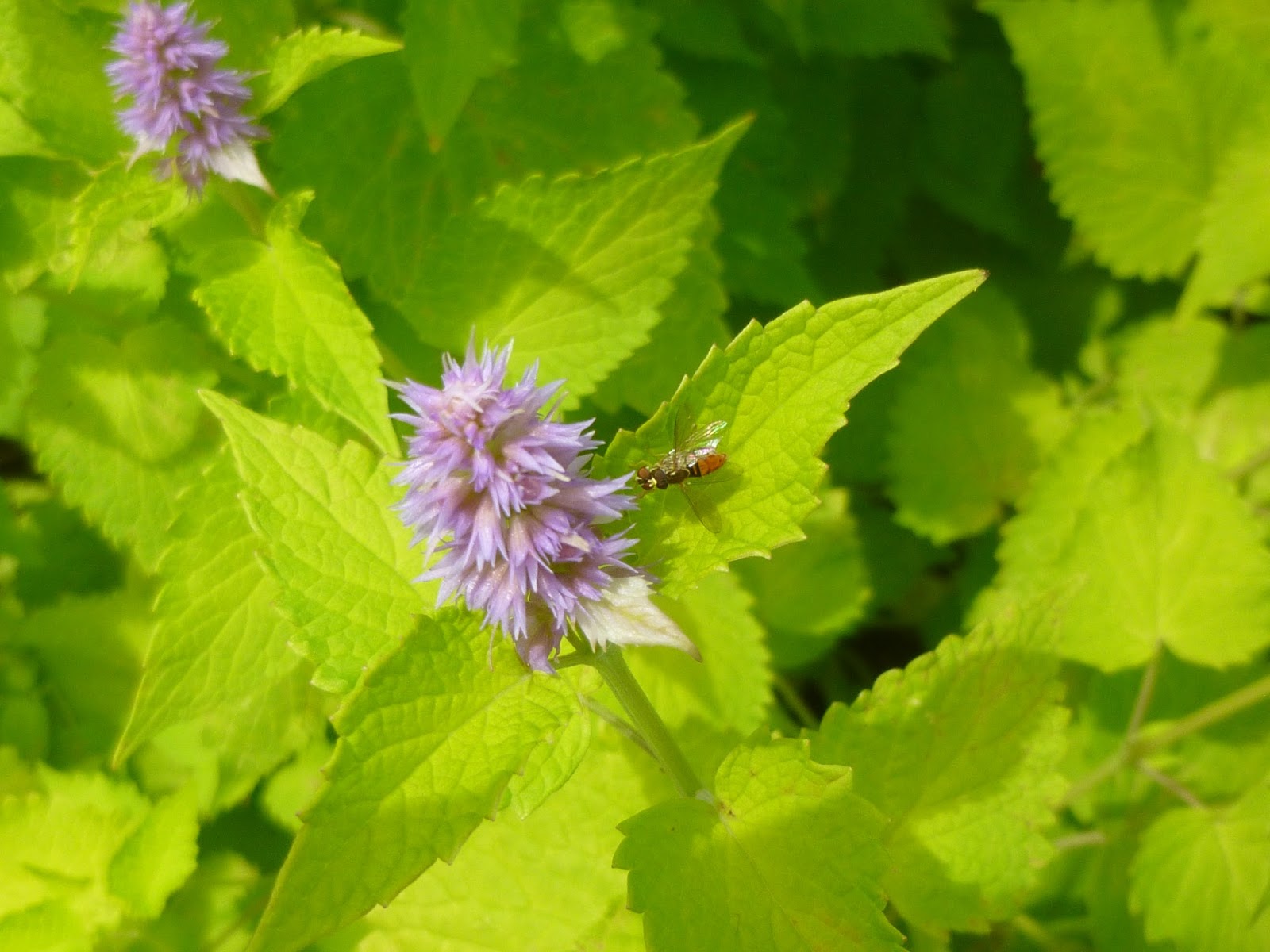
Look closely and I believe you'll see two hoverflies mating on the leaf of this 'Golden Jubilee' Agastache foeniculum


Bumblebee hanging on to Agastache foeniculum (anise hyssop)

Which is fuzzier - the bumblebee or the 'Fuzzy Wuzzy' lamb's ear (Stachys byzantina)?

Small bee on Coreopsis lanceolata (lanceleaf coreopsis)


No pollinators in sight here, but the seedpods swelling suggest that something has succeeded in pollinating this redwhisker clammyweed (Polanisia dodecandra). Recent research from the University of Alberta suggests that redwhisker clammyweed provides both nectar and pollen resources for pollinators.

Rabbit.
Perhaps the culprit in the destruction of the smooth asters (Symphyotrichum laeve)?
Where there be pollinators, there be spiders...

Can you spot the spider here?
(The spider's camouflage is enhanced here by my inability to focus correctly. Sorry about that.)

The small bee on the Mexican hat (Ratibida columnifera) in the foreground is packing a lot of pollen on its legs!

Which plants are attracting the most pollinators in your garden?

Instagram

Follow Aaron Dalton on Feedio

Wednesday, December 17, 2014

Still Useful After All These Years -- Vintage Advice on Hedges from the 1960s!

Cat hedge
Wrap it up and put a bow on it.
Photo courtesy of Lance McCord


Sometimes I love the Internet.

How else could I stumble across a 1960s report from the University of Tennessee detailing the results of years of trials into hedging experiments with popular landscape plants.

Much of the report is still useful today, nearly 50 years from when it was first published.

I learned that Abelia x grandiflora (still very much in use today) and Spiraea thunbergii (fallen out of favor) showed no ill effects from a 7-week drought.

On the other hand, ornamental quince (Chaenomeles) was nearly completely defoliated by the drought, which is interesting since numerous sources list Chaenomeles as being drought tolerant.

(Of course, the report does not say - as far as I could tell - whether the Chaenomeles was permanently damaged or only temporarily set back by the drought. Some gardeners might be willing to accept a temporary defoliation is the plant is just trying to prevent water loss (transpiration) from its leaves, but if it will leaf out again once the drought passes or in the spring...)
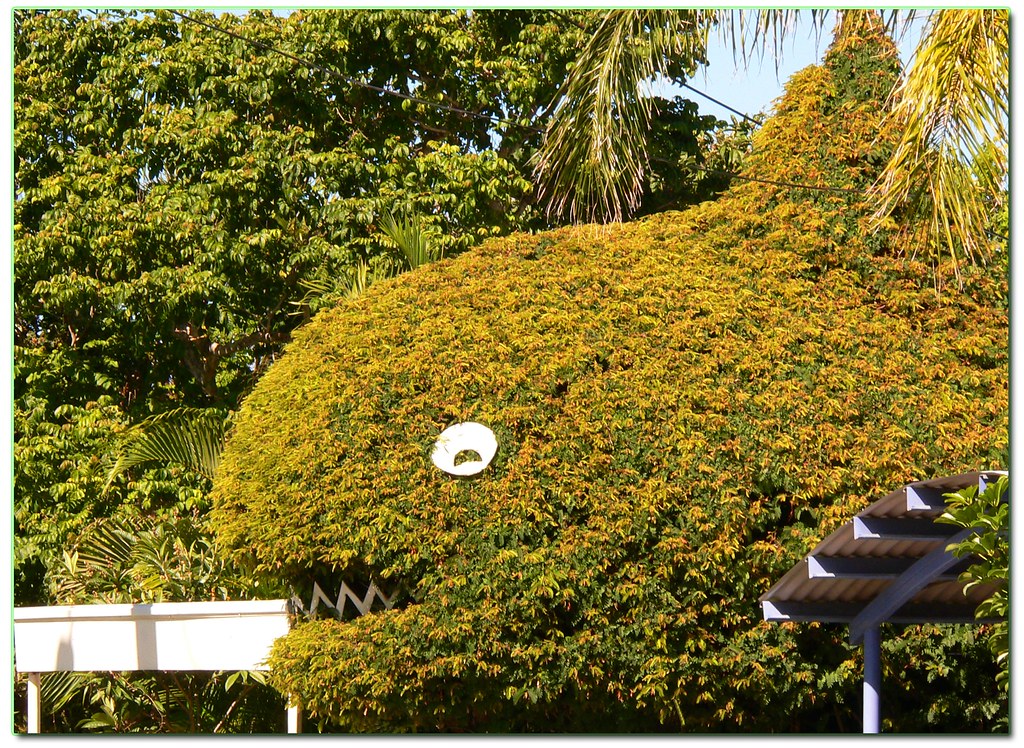
Shark hedge
Something fishy going on with this hedge
Photo courtesy of Len Matthews


The study also details the effect of cold weather on the hedging plants, particularly due to the winter of 1962-63, which if my secondary research is accurate, reached an official low temperature of -5 degrees Fahrenheit in Knoxville (where the study took place).

The winter hardiness research showed that plants like Ilex vomitoria (Yaupon Holly) suffered hardly any damage, which is interesting since most sources only list Yaupon as being hardy to zone 7. (In other words, it should have suffered major damage below zero degrees Fahrenheit, but apparently it did not.)

On the other hand, the cold winter apparently killed Lagerstroemia indica (Crape Myrtle) to the ground, which was not surprising. What was surprising was that it also reportedly killed Pyracantha crenato-serrata (Firethorn) to the ground.

Now Pyracantha is not used much today around Middle Tennessee, probably due to those vicious thorns. To give you an idea of its relative popularity, I'd say more than 50% of the houses in my neighborhood have crape myrtles on their property (and yes, many of those did suffer major damage due to the -2 Fahrenheit temperatures we encountered last winter, particularly the crapes that had been pruned back), whereas I've seen a grand total of one property with a few Pyrcanthas (looking glorious laden with berries) by the front foundation.

But I don't think Pyrcacanthas fell out of favor due to lack of reputed cold hardiness. Most sources I've seen list Pyracanthas as being hardy to zone 6 -- so they should have fared better than the Yaupons. But they didn't. That kind of first-hand scientific reports of heat and cold tolerance is invaluable.

(I should note that most Pyracanthas sold today are P. coccinea, not the P. crenato-serrata species of days. past. Perhaps coccinea has greater cold tolerance? It's hard to find much information on crenato-serrata via Google these days.)
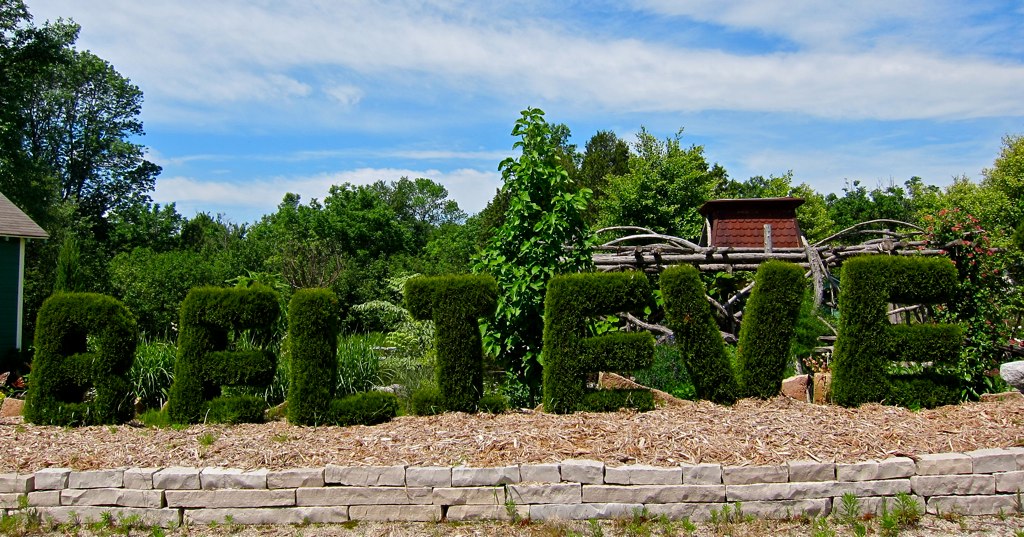
I believe in hedges - just like John Lennon did
I think John Lennon had a song about hedges...
Photo courtesy of NCM3


But what is also interesting about the 1960s guide is what it omits.

Guess how many mentions of bees?

Zero.

How about butterflies?

Zero.

Birds, moths, small mammals?

Zero.

In fact, there are no mentions of pollinators or wildlife at all. It's as though they don't exist. The concept of planting a shrub / hedge for anything other than privacy or aesthetic reasons seems to have not even crossed the minds of the authors.

(There's also no mention of invasiveness, which could explain why the guide recommends Euonymus alatus, i.e., Burning Bush, which is still sold in many nurseries today despite its reputed invasive characteristics.)

Fascinating.

Then again, the population of Tennessee in the 1960s was only a little more than half what it is today (~3.5 million Tennesseans in 1960 vs ~6.5 million Tennesseans in 2013).

My guess is that there was a LOT more open and wild space. People probably didn't feel the need to garden specifically to attract or support wildlife because it probably seemed as though most of the landscape already supported wildlife, ergo people could afford to devote their relatively small piece of the pie toward beauty or functionality (i.e., food, fuel, building materials for people).

The population of Tennessee, the United States and the planet continues to climb inexorably higher year after year. Even as human fertility rates drift lower, our demographic inertia carries us toward a planet more crowded with people with less space for all the other inhabitants.

Ergo, I believe it is incumbent upon all of us gardeners to do what we can to build and tend our gardens in a way that not only pleases our eyes and our palates, but also offers sustenance and habitat to the many creatures great and small who also call Earth home.

Tuesday, June 24, 2014

Thou Shalt Not Murder (Crape Myrtles)

The horror! Murdered crapes with gnarly knuckles
Photo via woodleywonderworks


Why is crape murder such a terrible, terrible thing?

Well, for one thing, it mutilates the trees and makes them look awful in winter. And since crapes take a long time to leaf out (at least here in Tennessee), that means they're looking like death warmed over for about six months.

The other reason is that when you have a hard winter, plants that are stressed by brutal, repeated, extreme pruning will often have a harder time surviving and recovering than plants that were pruned gently or not at all.

To wit:

Here is one of our Natchez crape myrtles. Notice how it is fully leafed out and flowering in mid-June.

Natchez Crape Myrtle leafed out and flowering in mid-June in Middle Tennessee
Bird in Natchez crape myrtle foliage
Here's a bird (not sure what kind) that was sheltering in the midst of the crape myrtle foliage on a hot day.

Bee collecting pollen from Natchez crape myrtle
The Natchez crape myrtle in full flower attracts lots of bees. (Not as many bees as the Hypericum, but lots of bees nonetheless.) I'm no expert on bee identification, but it looks as though the crape myrtle attracts bumblebees, honey bees and also some smaller native bees. The bees move so fast, that it's hard to capture them in a photograph, but if you look closely, you can see a bee in the middle-right section of the flower cluster in the center of this photo.


Now let's check out the murder scenes.

These are some other crape myrtles on our street, also in mid-June. Notice that these crapes all look pitiful.

I've seen others around town that looked equally bad or worse, but I wasn't about to cause a car accident stopping the car to grab a pic of the carnage:

Murdered crape myrtle
Murdered crape myrtle #1

Murdered crape myrtle
Murdered crape myrtle #2

Murdered crape myrtle
Murdered crape myrtle #3

Pollarded crape myrtle
Murdered crape myrtle #4. These are probably the most horrifying examples of the results of crape murder. Notice that these are older crapes that had been heavily pruned (or pollarded) for many years, resulting in the knobby scarred knuckles at the ends of the lopped trunks. In previous years, this strategy resulted in ugly-enough porcupine like growth in the spring. After this last harsh winter, the tree looks to have been killed to the ground. Sadly, it wasn't quite put out of its misery and now must endure the indignity of coming back from the roots, with the new skinny stems looking terribly incongruous among the dead stems from years past. What to do here? As with many murdered crapes, I'd say either shovel prune or cut down to the ground to start over with renewal pruning.


In a best case scenario, even when a tree is not damaged or killed through annual pollarding, such pruning will probably stimulate rampant suckering so that you end up with a crape that behaves like a wild bush:

Best case crape murder scenario - pollard crape myrtle with numerous suckers behaving like a shrub

Now I'm not saying that every single crape myrtle will die in a hard winter if it's pruned back severely year after year. It might depend on how many years it's gotten the chop or on whether it's in a sheltered location or how much pampering it gets during the growing season. There are lots of variables. But chopping crapes back year after year is not only a crime against aesthetics, it's also placing the plants at a disadvantage for coping with whatever Mother Nature throws at them.

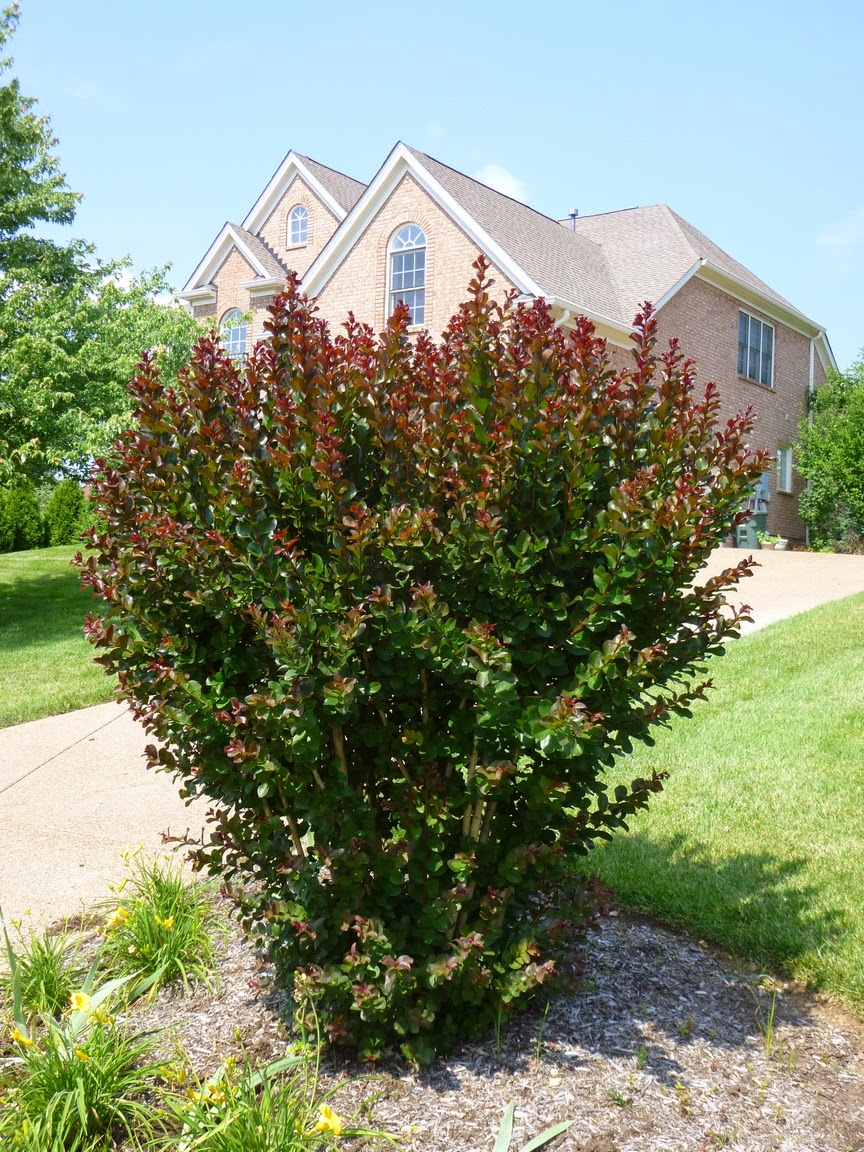
Incidentally, if you'd like a crape myrtle that stays shrub-sized, there are plenty of dwarf crapes that have been bred for compactness. You'll save the time, hassle, waste and/or cost of annual pruning and your petite crapes will look healthier and more natural year-round.

Miniature crape myrtles
This landscaping bed isn't exactly my style, but despite the excess mulch and the dearth of plants, it's still miles better than the murdered crapes. Presumably these are miniature crapes that have been chosen so that they will not require annual butchering, er, pruning.

Incidentally, even some of the "semi-dwarf" crapes could get bigger than you think. Southern Living lists Acoma as a crape that tops out around 10-feet tall, but I've seen some mature Acomas that were probably at least twice that height.

Monday, August 19, 2013

Too Close for Comfort

Please step away from the wall...  Surely whoever planted this Crape Myrtle realized that it might grow more than 3-inches wide? Generally speaking, if a plant is supposed to grow say 20-feet wide, experts recommend planting it at least ~12 feet from a building, so that it can grow to its maximum width and still give you a little space to get between the building and the plant for pruning, painting, window washing, etc.

When we moved into this house a bit over 2 years ago, we noticed that a number of the foundation plants were sited too close to walls and steps.

Some of those (the Nellie Stevens hollies) we removed.

Some of them (the camellias flanking the front steps, another camellia planted alongside the front wall) have stayed. I can't bear to part with them and I'm concerned any attempt to moved them by 1-2 feet would be detrimental to their health.

But there's one plant that's planted WAY too close for comfort to a side wall - the lavender crape myrtle pictured in the photo above.

I can't be sure (since there are so many crape myrtle cultivars), but I think this could be Muskogee, one of the superior USDA introductions that is resistant to powdery mildew.

Personally, I've decided that I like the white-flowered crape myrtles (such as Natchez) best. Most of the others seem a bit too garish for my tastes. Plus the white-flowered ones seem to attract the most bees! But I do think that the light-lavender flowers of Muskogee (if that's what it is) are probably my favorite among the colored varieties.

So it's painful to think of getting rid of the tree, but we're talking about a plant that will wants to grow 25-feet tall and 20-feet wide being planted 3-inches from the wall!!


Really? Who thought it was OK to plant a full-size crape myrtle this close to a house??

(What on Earth were the builders thinking when they plopped the plant alongside the foundation originally? Did they get it mixed up with a dwarf crape -- although even that should have been planted at least a couple of feet from the wall. Or were they just being cruel and sadistic?)

This is a beautiful plant, but it's just in the wrong place. Even if it were a couple-feet away from the wall, that still wouldn't make any sense with this type of crape myrtle.

The lavender crape myrtle (Muskogee?) blooms are really beautiful. It's just a shame that the tree was planted so close to the house...

So unfortunately I think I have to commit real crape murder (not the crape murder that involves drastic annual pruning techniques).

My plan is to cut the plant down to the ground using loppers and a chainsaw.

From what I understand, crape myrtles don't die easy. Most likely, the plant will send up a thicket of suckers in an effort to survive.

Now many websites suggest drilling a hole into the trunk and pouring in concentrated herbicide, but I am reluctant to use such chemicals.

I thought I could try to dig out as many of the roots as possible and then regularly cut off any suckers that sprout. I imagine it might take a few years, but that the tree would eventually weaken and die.

What do you think? Is this a foolhardy idea? Should I bite the bullet and ask a trained landscaper to come over and remove the tree and/or inject poison into the stump?

Also...Should I be worried about a large Natchez crape (15-20 feet tall already) that is planted perhaps 4-feet away from another wall of the house -- again, that seems way too close to me.

Thoughts and advice are welcome!!

PS - I probably will also be removing 2 of the 3 crape myrtles that I planted just last year. One of those, Petite Snow, has not put on any new growth at all, nor has it bloomed this year. And the leaves do not even resemble the Petite Snow photos I've seen online, which makes me think that it might have been mislabeled.

The other crape that I'll be removing is called Geronino, from Flowerwood Nursery. There are two things that really tick me off about this plant:

New Geronimo crape myrtle leaves afflicted by powdery mildew are twisted and disfigured
New Geronimo crape myrtle leaves afflicted by powdery mildew are twisted and disfigured. Not what you want to see at the front foundation of your home .

1) I still have the tag that came with the plant where the size is given as 10-feet tall by 6-8 feet wide. Maybe that's a little big, but not too crazy for a corner foundation planting. But on Flowerwood's own website, Geronimo is now listed as growing 15-20 feet tall by 12-15 feet wide. So...basically I'm looking at another monster crape planted right against the foundation. No thanks. I'll dig it out this autumn while it should still (theoretically) be easy to do so.

Geronimo crape myrtle flower buds afflicted with powdery mildew
Geronimo crape myrtle flower buds afflicted with powdery mildew. Based on my experience with mildew on a different crape, these buds will not open.

2) If that was the only issue, I'd consider replanting the crape somewhere else on my property, but Geronimo also has major issues with powdery mildew, as you can see in the two photos above.

The thing that bugs me is that Flowerwood chose a Native American-sounding name for this crape myrtle. And it just so happens that many of the highest-rated mildew-resistant crape myrtle cultivars from the US National Arboretum (USNA) are known for having Native American names.

Texas A&M even says: "As a general rule, cultivars with name of a Native American tribe will be resistant to powdery mildew." Guess they'll have to revise that general rule now thanks to Geronimo. Caveat emptor!

Monday, July 15, 2013

Oh the Dreadful Wind and Rain!

It was a particularly wet and windy spring at the Garden of Aaron.

But wind is a familiar them in my garden.

In the winter, there's the bone-chilling wind out of the Northwest.

In the summer, we sometimes face a hot and dry wind out of the South that can stress and crisp even those plants that are supposedly heat and drought tolerant.

So my question to all you expert gardeners out there is this: In your experience, which plants are best suited for a windy garden?

I'm interested in all suggestions, including annuals and perennials, but I'm most interested in shrubs and trees, particularly those I might be able to use to construct some sort of windbreaks to protect the less wind-tolerant plants from the harsh winds of fate (and Mother Nature).

Here are some of my own observations from our exposed hilltop garden:

Natchez Crape Myrtle
"Natchez" Crape Myrtle stands strong against the winds that rip across our hilltop garden. 


1. Crape Myrtle (Lagerstroemia indica) shows up on lists of wind-tolerant plants. (Here's one list, here's another.) I agree - to a point. The branches are very good at bending rather than breaking in gale-force winds and the leaves seem tougher than say maple or redbud (see below). But the leaves do get awfully tattered - especially if the winds hit right when new foliage is emerging. I don't expect leaves to look pristine at the end of a growing season, but crape myrtle leaves can get ripped up by the wind and chewed up by insects to the point where they seem shredded fairly early in the season.

Vitex agnus-castus flowers just starting to bloom.
Vitex agnus-castus flowers just starting to bloom. Note how clean and fresh the foliage looks despite the fact that the plant is sited on a windy, hot, full sun corner next to the garage and a baking concrete driveway. Vitex seems cool as a cucumber and perfectly at home.

2. Vitex agnus-Castus (a.k.a. Chaste Tree) made it onto a list published by the Houston Chronicle of trees most likely to survive a hurricane. I'd call that wind-tolerant. (Crape Myrtle was on the list too...) I've got to say, I've got our Vitex right at the corner of our house where it can buffeted by both Northern and Southern winds. So far, it's looking good. I think there was some minimal branch breakage from winter storms, but the spring and summer winds haven't fazed it and the foliage is looking good - clean and fresh, with no signs of stress and hardly any signs of insect predation. I've read comparisons of Vitex vs. Crape Myrtles where people say that Crapes have a denser canopy and are thus better for providing privacy, but I have to say that our young Vitex actually seems far denser than our young Crape Myrtles. Maybe the Vitex canopy opens up more as the tree gets older?

Overall form of young Vitex agnus-castus tree/shrub planted last autumn. Foliage seems relatively dense at this point despite comments to the contrary on the World Wide Web.
Here's a young "Petite Snow" crape myrtle, also planted last autumn at the same time as the Vitex. I'd say the foliage on this is actually much less dense than the Vitex foliage. Also, the Vitex is covered with buds and blooms in its first full year in the garden, whereas there was nary a bud or flower in sight on this crape myrtle in mid-June.


3. Maples and Redbuds both seem stressed by our hot dry winds. In fact, I had two young maples die on me last year. For some reason, I still let myself get talked into planting two new maples in our front yard. Neither of them looks happy in the hot winds of summer. In fact, despite lots of water, some of the leaves are turning color, which I know is not a good sign. The redbuds look slightly more wind-tolerant, but their leaves hang awfully limp when it gets hot, almost like they're panting in the heat.

Cercis canadensis, Eastern Redbud, leaves look stressed

Maple leaves looking stressed. Never a good sign when your maple leaves are changing color in July.


4. Juniperus virginiana, Eastern Red Cedar also shows up on lists of plants suitable for windbreaks. http://plants.usda.gov/factsheet/pdf/fs_juvi.pdf  Our landscaper planted three of these on the hill. They're not looking all that great, but I think that's due less to the wind and more to the fact that we wanted large trees for instant landscape effect but we ended up with sort of small root balls on those trees. Not a good combo. In general, I feel I learned from this past winter that it's probably better to start with smaller trees that would probably be less-stressed by the transplant process. Anyway, I'm not in love with the Eastern Red Cedars. Probably because I find it hard to get too excited about most conifers. But I have to admit that they do seem to be fairly wind-tolerant. 

The shiny and waxy leaves of Camellia sasanqua seem wind-tolerant.

5. Camellias - I don't think most people would think of camellias as being tough plants, but apparently they are surprisingly drought-tolerant and even recommended for windbreaks. Our camellias are in somewhat sheltered settings, but I have to say that they have not seemed fazed at all by last year's heat/drought or by any of the winds that whip around the house. I'm thinking more and more about incorporating these into my windbreak and screening plans. The only problem that I can see is that they don't necessarily grow all that fast in my experience, especially when they are young. So if I plant a small tree - one that would be less likely to suffer transplant shock - it might take a long time to grow to the height and density where it would really help block the wind and provide privacy.

Aronia melanocarpa, Black Chokeberry also seems to be relatively wind-tolerant 

6. Aronias, Chokeberries - Also in a somewhat sheltered spot, but I've got to say that their (second-year) foliage looks really green and fresh this year despite the strong winds of spring and early summer. They definitely looked stressed last year (more by the heat and drought than the wind, I think), but they're looking much better now. I'd need to try them in a less-sheltered spot first, but I could see these trees doing well in a windy situation and/or even potentially being part of a mixed wind break. (Really beautiful foliage, incidentally. Sort of what I have in my mind's eye when I think about what a tree leaf should look like.)

And here are some other shrubs and trees that I'm considering adding to the garden / landscape. Any thoughts based on experiences in your own gardens and/or visits to other gardens on whether any/all of these would be wind-tolerant and/or suitable for windbreaks?

Sunflowers bloom just as cheerfully even after they've been bent sideways by 60-70 mph winds

As for smaller plants, I've found that high winds will bend sunflowers (although they'll usually keep growing), topple cosmos (although they'll often keep growing too) and break plants like Caryopteris and Coneflower. (To qualify that, most of the coneflowers survived the wind storm and look none the worse for wear, but I did lose a couple.) I lost one stem on Hibiscus moscheutos too, but the rest of the plant seems fine.

Callicarpa americana, American Beautyberry. I'd call this an open, lanky shrub (at least in its youth). The leaves will get burnt by strong, hot winds. Despite glowing reviews from some online reviewers, I can not recommend Beautyberry for your garden.

Beautyberry (Callicarpa americana) also seems much happier this year now that I've moved it away from a windy spot to a somewhat sheltered area.

Other perennials, annuals and shrubs that have stood tough and seem relatively unfazed by the winds include:

  • daylilies
  • zinnias
  • French marigold
  • love-in-a-mist
  • creeping raspberry
  • penstemon
  • Phlox paniculata
  • ironweed
  • Veronica (spicata and umbrosa)
  • liatris
  • Malva sylvestris
  • gaura
  • Russian Sage
  • Coral honeysuckle
  • Indian Hawthorn
  • Boxwood
  • Hardy Blue Plumbago
  • Hardy geraniums,
  • Helianthus microcephalus
  • Little Bluestem
  • Salvias
  • Platycodon
  • Monarda
  • Agastache
  • Ilex glabra (inkberry)
  • Azaleas
  • Fothergilla
  • Aucuba
  • Hypericum
  • Joe-Pye Weed
  • borage
  • stachys
  • ajuga
  • Hibiscus moscheutos
  • Heliopsis helianthoides


So...what are your most wind-tolerant annuals, perennials, shrubs and trees? 

And which are the ones that are pushovers (literally) when it comes to getting blown around by the winds?

My dream is to look out the window and not feel that my plants (like the maples and redbuds) are getting tortured by the winds. I'd love to find plants - especially shrubs and small trees - that are wind-tolerant. Heck, I'd like to find plants that revel in getting their leaves ruffled about by the wind. I want to find plants that look as though they're tossing their branches like a model tosses her hair back for a photo shoot or a walk down the runway. And hopefully these stalwart windbreak plants will help reduce the howling gales to manageable breezes so that I can grow more tender waifs in the sheltered microclimate they create.

Is that too much to ask? :-)

PS - The title of this post comes from a lovely but haunting folk song...

Saturday, May 4, 2013

Meet the New Front Foundation!


Remember how we ripped out the old front foundation plants and then tried to reinvent the border by stocking up on shrubs last autumn?

Well, it's time to check back in with the front foundation plantings and see how things are shaping up. (I wish I could take you in order from one side of the border to the other, but Blogger's bulk upload feature doesn't work quite that smoothly for me, so the photos are presented in no particular order)


Agastache foeniculum, Anise Hyssop, "Golden Jubilee", a few leaves deteriorated or got mulched, so I removed them, but otherwise, this plant seems to be doing fine. Hope to see flowers in the summer.


One of the new Aquilegia vulgaris from Gardens in the Wood. This one is my favorite - a creamy white flower over fresh blue-green folage. 

Aronia arbutifolia "Brilliantissima", the beautiful white flowering show is pretty much done now and the plant is sending out new foliage. Interested to see whether it will actually produce fruits this year. 
Aronia melanocarpa, either "Autumn Magic" or "Viking" (not sure which is which), this is the last of three aronias to still have flowers. It is sort of charting a middle course between the Aronia arbutifolia (which concentrated first on flowers and then on foliage) and the other Aronia melanocarpa (which had a few flowers but seems to have focused this year on pumping out some large and beautiful leaves)
Aronia melanocarpa, either "Autumn Magic" or "Viking" (not sure which is which), love the beautiful leaves on this plant which seem really large for such a young tree 
I'm not a huge fan of azaleas for numerous reasons. At least at our property, the foliage frequently looks diseased (I don't do any spraying) and the plants themselves are unexciting outside of their short bloom season. The flowers do not seem to attract any bees or butterflies or other beneficial insects. (At least none that I can see.) And they don't seem to produce any fruit for birds or mammals. Plus the dead flowers look awful hanging onto the plant after bloom season. The plants are not self-cleaning (like crape myrtles or redbuds) and the flowers do not come off easily (as with daylilies, for instance, or camellias), so it's a chore to get the plants looking good after they bloom. All that being said, I imagine we'll keep them for now. My wife likes the azaleas in bloom and I have to admit, they really are beautiful when covered with flowers. This it their peak time to shine. Plus we're lucky enough to have inherited plants that do rebloom a bit in the autumn. That said, I don't think I'd add azaleas to any future garden of mine nor would I recommend it in Tennessee, especially if your garden does not have acidic soil. 
Aucuba japonica, Gold Dust Plant, seems to be happily settling in and sending out new foliage, which emerges all light green and then presumably changes later on to the variegated and speckled look. It was planted last autumn.

This is actually a pink azalea from the Northeast side of the house. I cheated a little by including it since it's not in the front foundation. But it is probably my favorite of the azaleas. Even though its foliage is very sparse, it still manages to cover itself with blooms.

Callicarpa americana, Beautyberry, a bit slow to leaf out, but I'm liking the shape and texture of the new leaves, interested to see how it performs this year in its more sheltered Eastern exposure. Last year, it was absolutely thrashed to pieces in a windy Southwestern spot. It seems much happier here so far. 
At the top of the photo is Tiarella cordifolia, Foamflower, "Pink Skyrockets". Contrary to its bold name, this tiarella actually has smaller and less prominent flowers than the more modestly-named Pink Brushes. Otherwise, it seems fairly similar to its Pink Brushes sibling.

Lower down is Stachys officinalis, Betony, Hummelo. Just added last month, the plant is doing well so far and looking healthy. It is supposed to have flowers that last from July to September! 
 Unknown autumn-blooming camellia, here when we moved in, seems to be sending out a lot of new growth shoots this year 
Camellia sasanqua, either Kanjiro or Pink-a-Boo (not sure which is which), seems to be settling in just fine after having been planted last autumn 
Unknown camellia, here when we arrived, a lot of the foliage seems less-than-healthy. Not sure what the problem is and I don't plan on spraying. The camellias sometimes seem to go through cycles of having foliage problems here and then recovering on their own. At least that's the pattern so far. I will probably give it some acidic fertilizer at some point.

- Lonicera semervirens, Coral Honeysuckle, this is one of the two cultivars - Alabama Crimson and Blanche Sandman - that are both growing nicely and sending out long tendrils that I'm trying to guide onto the porch railings with moderate success. Once the tendrils are tied to the railings for a little while, they often start curling around the railings and then are able to hang on by themselves. Lots of flowers this year, but sadly have not seen a single hummingbird on them yet. :(  Still the flowers and foliage are beautiful and it's nice to see my dream of climbing flowers along the railings coming true with this plant. 
Geronimo Crape Myrtle - Not sure this was the best choice for a foundation plant. Like all crape myrtles, it takes a long time to leaf out and then a number of branches did not leaf out fully. This plant was pretty inexpensive for its size, but it came from an unknown nursery. I wonder if maybe the roots were not so healthy? Or maybe it's just settling in. I pruned it back a bit after I took this photo and will probably do some more pruning in a few weeks when I see which branches look like they definitely won't leaf out no matter how long I wait. 
Crape myrtle, Tonto, which I believe was a Monrovia plant, seems to be leafing out much more robustly and fully on its Northeast corner than the Geronimo crape myrtle on the Southeast corner. We'll see if Geronimo catches up or if Tonto continues to perform better this summer. 
Dryopteris x australis, Dixie Wood Fern, seems to be acclimating nicely and sending out new fronds, a number of the fronds have fallen over, which doesn't really bother me, but I wonder if that is normal or if something has gone wrong? 
Fothergilla gardenii, nice white bottlebrush flower show this spring for several weeks, I'm liking the new foliage that's emerging now


Gardenia jasminoides "Jubilation", planted last autumn, this is one of the few plants that is not looking happy right now. Lots of yellowing leaves. Could be that it was unhappy with the long cold winter, or could be that the soil is not acidic enough? I will try adding some acidic fertilizer. 
Geranium x cantabrigiense "Biokovo", in bloom when I added it in April, I like the delicate pink-white flowers, the foliage seems smaller than some of the other Cranesbill perennial geraniums. 
Origanum vulgare, Golden Marjoram, "Aureum", doing great so far this year, much better than last year, looking very healthy, hoping I might get to see the pink/mauve summertime flowers that did not appear last year when the plant was struggling.

Veronica peduncularis (a.k.a Veronica umbrosa) "Georgia Blue", the flowering that was so cheerful in late winter when nothing else was blooming has mostly stopped, although there are still often a couple of open tiny blue flowers each day. The foliage still looks marvelous and healthy. Wish this would spread more!

- Ceratostigma plumbaginoides, Hardy Blue Plumbago, late to emerge, it has since sent up vigorous leaves that are larger than anything I saw last year. But the plants do not appear to have spread much yet (unfortunately). 
New foliage on one of the three Ilex glabra, Inkberry Holly shrubs that I added last autumn. The bushes weren't sexed, but hopefully I have a mix of males and females so that I'll have black berries that will attract birds later on. Looking forward to seeing whether my Ilex glabras produce flowers that attract hummingbirds as they are supposed to do.
A broader perspective on Ilex glabra to show the overall impression the plant makes.

- Alchemilla mollis, Lady's Mantle, seems to be settling in nicely, growing and expanding a little, I have high hopes for this one! As mentioned before, looks absolutely lovely after a rain or when gilded with the morning dew (but looks nice at other times as well). 
Hydrangea quercifolia, Oakleaf Hydrangea, "Snowflake", has leafed out nicely, I was absolutely smitten with this plant, but I've come down to Earth just a little bit, I did notice that some of the leaves were hit hard with what seems to be a fungal disease. Apparently oakleaf hydrangeas are susceptible to such problems at times of high moisture (we've had lots of rain lately). I picked off the worst-affected leaves. We'll see if that helps. 
Pachysandra procumbens, Alleghany Spurge, seems to have settled in nicely, does not appear to have spread much yet, but the new foliage looks great and the old foliage seems to be deteriorating pleasantly back into the soil. 
Phlox paniculata "Blue Boy"

Phlox paniculata "Eva Cullum" 

Platycodon grandiflorus, Balloon Flower, planted early last autumn, Platycodon has reappeared vigorously this year, with another newly planted Platycodon right behind it 

- Scabiosa columbaria, Pincushion Flower, the flowers are cute, but the whole plant is tiny. I'm sure I read somewhere that Scabiosa is supposed to grow 12-18 inches tall. Really? Because the plant is only about 3 inches tall at this point! 
Sedum ternatum, has been flowering for about a month since purchased. It seems happy and healthy in their partial shade setting 
Stargazer Lily
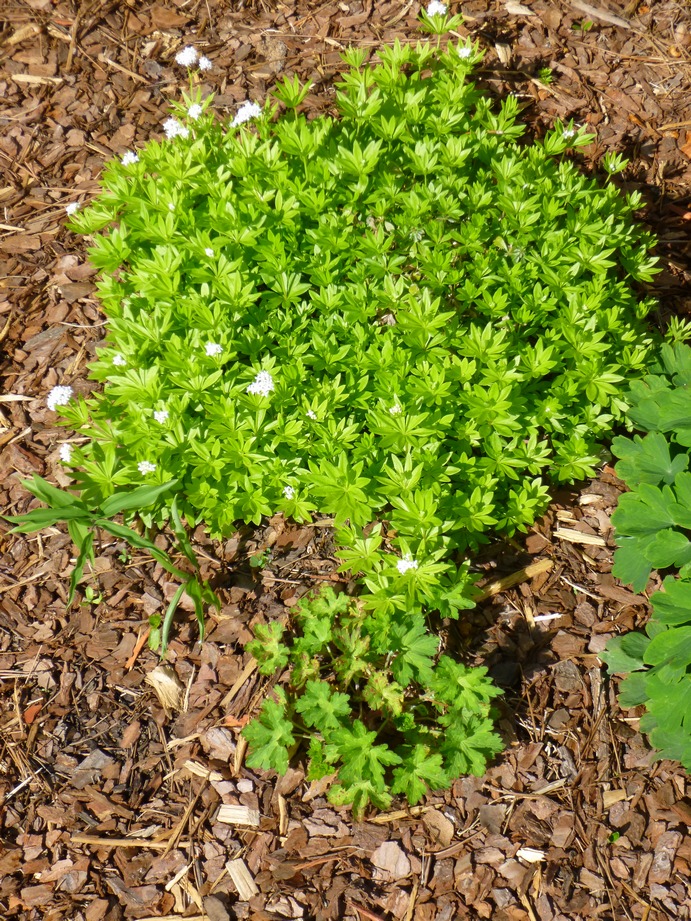
 Galium odoratum, Sweet Woodruff. I've already sung the praises of this plant many times. This year I have finally gotten to see the white flowers which have just started opening over the past week or so. Looking forward to clipping some stems and trying to dry some of the flowers/foliage, which is supposed to bring out its fragrance. 
Tiarella cordifolia, Foamflower, "Pink Brushes", my favorite of the tiarellas I purchased last month, this one has nicely variegated foliage like the others and the most prominent flowers. 
Tiarella cordifolia, Foamflower, "Running Tapestry", I like the foliage a lot, but this foamflower has fared the worst of the three I purchased last month. It frequently wilts if it goes a few days without rain, and we have not even gotten into the heat of the summer. I did move all three Tiarellas from a morning shade/afternoon sun setting to a spot where they get more gentle morning sun/afternoon shade. The other two tiarellas seem fairly happy with their situation, but I'm worried about this one. (Frankly I'm worried about all of them once we get into the heart of the summer, but I'm prepared to baby them a little this year in the hopes they'll be tougher once they get established.)

The ajuga in the background has been putting on quite a blue show!
 
This variegated ajuga, has been flaunting its blue flower spikes for weeks and weeks. Unfortunately, it does not seem to have attracted any bees, but then sadly I have not seen many pollinators at all in the garden yet this year. 
Veronica spicata, Spike Speedwell, "Giles Van Hees", just starting to bloom
Clematis integrifolia, Solitary Clematis, late to emerge, I thought it was dead after the plant really struggled in last year's heat and drought, probably it was not smart to expect a plant that is native to Russia to perform well in Tennessee. Nonetheless, Clematis integrifolia has made a strong comeback so far this year. Not sure how it will do once the real summertime heat kicks in, but we shall see. No flowers yet, but the foliage looks clean, healthy and robust. 
Here's the other Lonicera sempervirens. Hard to believe, but I've yet to see any hummingbirds working these red tubular flowers! Do I need to put up a sign that says, "Hummingbirds welcome?"

Geranium sanguineum "New Hampshire". I'm really liking this one for its thick spreading foliage and the pink flowers. I saw a Geranium sanguineum at the Nashville botanic gardens last year. It seemed really tough there so I'm hoping mine will be also.


So that's the highlights! I may have missed one or two specimens (somehow skipped over the Monarda didyma "Jacob Cline"), and I didn't talk about the annuals like the Sweet Alyssum seed I scattered throughout the front of the bed or the Cosmos bipinnatus seedlings that are popping up here and there (not to mention a few English marigold seedlings from the flowers that filled the beds last year), but I think this probably gives you and idea of the rich diversity that I've aimed for in the front border.

Hope you've enjoyed the tour and that it wasn't too exhausting. Going forward, I think I'll try to limit my future posts to a maximum of 5 or so photos at a time.

Meanwhile, questions, suggestions and exclamations are all welcome using the new Disqus comment platform!