Showing posts with label Heliopsis helianthoides. Show all posts

Friday, September 9, 2016

Bees, Soldier Beetles, Cats and Butterflies - Oh My!

Carpenter bee on reblooming Vitex agnus-castus (chaste tree)


Can you spot the Very Fuzzy Caterpillar?

How about now? It's a milkweed tussock moth (a.k.a. milkweed tiger moth) on a swamp milkweed (Asclepias incarnata)

Two milkweed tussock caterpillars also seem happy to feed on a different species of milkweed - Asclepias viridis (green antelopehorn)

Soldier beetle on false sunflower (Heliopsis helianthoides)


Butterflies like to feed on false sunflower too!

They also feed on blanket flower (Gaillardia x grandiflora)


Instagram

Follow Aaron Dalton on Feedio

Saturday, July 23, 2016

Shots in the July Garden - A Bevy of Blooms for Bees and Butterflies!


It's been a bit of a challenging year to garden so far.

We had a really dry spring (a 7 inch rainfall deficit at one point).

Then we made that up with torrential rains in July, but we've settled (like much of the country) into an uncomfortably hot and humid weather pattern.

So even though I don't want to toot my horn, I must say I'm rather pleased that the garden has been looking pretty good - - and with very little supplemental water (I think I've only watered with a hose about 4 times this year, plus other occasional spot waterings with a can.)

Without further ado, here are some scenes that caught my eye when I was in the garden on July 20th.

Lantana camara

Gaillardia x grandiflora and bumblebee

Gaillardia x grandiflora and a teeny-tiny bee (not its real name)

Hibiscus moscheutos, this is the straight species version of our native hibiscus. (I also have the 'Luna Pink Swirl' hybrid or cultivar of H. moscheutos.) This is my first year growing the straight species. It's in full sun on an unamended clay hillside and seems to be thriving, despite the fact that it would probably prefer wet-to-moist conditions.

Perovskia atriplificolia, Russian sage. I moved three Russian sages to more of a full sun location and generally they seem much happier and more floriferous in their new spot. That said, I've still seen some of the yellowing foliage and even wilting of entire branches that I've noticed when they were in partial shade. It's my opinion that they do not like our humidity (which has been especially high this summer) or the heavy clay soil. The Russian sage flowers seem highly attractive to pollinators, especially honeybees.

Coreopsis verticillata 'Zagreb', attracts lots of little pollinators

French marigold, Tagetes patula 

Hibiscus syriacus, rose of Sharon, 'Diana' cultivar

Cosmos bipinnatus and bee.

Agastache foeniculum (anise hyssop) and bee

'Red Rocks' penstemon and bee. I have three of these Red Rocks penstemons. I cut back two of them after the main bloom and left the third one (this one) uncut. They're all starting to rebloom a little now, which makes me think that it may not make any difference (at least in terms of stimulating more flowers) whether or not you cut them back. That said, I'll keep an eye on the plants over the next month or two to see whether there's any difference in terms of flower quantity or overall form between the penstemons that were pruned and those that were left au naturel.

Lagerstroeima indica 'Natchez' (crape myrtle). In bloom for about two months now. The flowers attract lots of pollinators. (Not every crape myrtle seems equally attractive to pollinators. I rarely see any pollinators on my pink-flowered crape, but these white-flowered Natchez crapes are often buzzing with bees all day.)

Cosmos bipinnatus with skipper butterfly. White-flowered 'Diana' rose of Sharon (Hibiscus syriacus) in the background.

Glandularia canadensis (rose verbena)

Large milkweed bug (Oncopeltus fasciatus) on rose milkweed (Asclepias incarnata)

More Cosmos bipinnatus with bumblebee


If you look very closely, you can see lots of pollinators crawling through the flower cluster on this Asclepias incarnata (rose milkweed). Oh and there's a large milkweed bug hanging out beneath a leaf in the lower part of the picture! 

Coreopsis lanceolata (lanceleaf coreopsis)


Coreopsis tinctoria (plains coreopsis) with pollinator

Heliopsis helianthoides (false sunflower) with bumblebee


Polanisia dodecandra (redwhisker clammyweed)

Helianthus annuus (sunflower) with bees

Ailanthus webworm moth on Agastache foeniculum (anise hyssop)

Aralia racemosa (American spikenard), those are the tiny greenish-white flowers -- not very showy, but they do seem to attract a lot of little pollinators. The plant itself is in morning sun and afternoon shade. It's hanging tough, but it doesn't seem all that happy. I plan to try to transplant it to a shadier spot this autumn.
 
Just a pretty, colorful tableau - sweet alyssum (Lobularia maritima) in the front, 'Rozanne' cranesbill geranium behind it and a few blue balloon flowers (Platycodon grandiflorus) peeking into the upper left corner.


Hope you enjoyed this quick tour through the July garden.

What are some of your favorite summer flowers blooming in your garden right now? 

Instagram

Follow Aaron Dalton on Feedio

Wednesday, March 30, 2016

Late March in the Garden of Aaron - Crabapple, Threadleaf Coreopsis, Yaupon Holly, False Sunflower and More!

New leaves on Vitex agnus-castus (chaste tree) are adorable! Chaste tree is native to the Mediterranean. It tends to leaf out a bit later than many of our native trees and shrubs, but the foliage is still susceptible to late frosts and freezes. (Our average last frost date is still two weeks away.) In 2014, temperatures dipped into the high 20s in mid-April, killing back all the newly emerged Vitex foliage. The damage turned out to be just temporary, with Vitex fully leafed out and looking fantastic a month later.)

Beautiful new foliage on a native Viburnum dentatum (arrowwood viburnum)

Teucrium chamaedrys 'Prostrata' (creeping germander) looking great. A couple of weeks ago I posted a photo (second to last in this post) showing how creeping germander stays semi-evergreen and attractive through the winter. It's fun to see how much it has leafed out and greened up since that previous post.

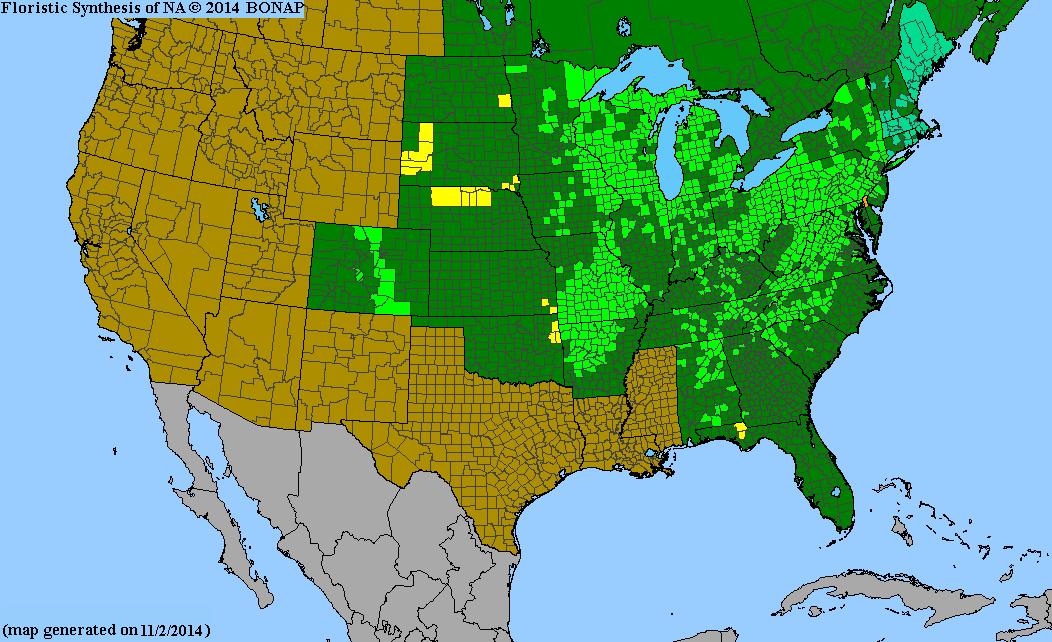
Newly planted Heliopsis helianthoides, our native false sunflower or ox-eye sunflower. (It's not a 'true' sunflower, which would be in the Helianthus genus.) I tried growing a cultivar of this plant a few years back and was never super impressed with its performance. On the other hand, it was well-behaved, tough and did not give me any problems. I decided to give it another chance and planted three specimens of the straight species close together. Last time, I was disappointed that false sunflower did not attract many pollinators. I'm hoping a larger patch of flowers from three plants clustered together will do a better job of catching the attention of bees, butterflies, wasps and other pollinators.
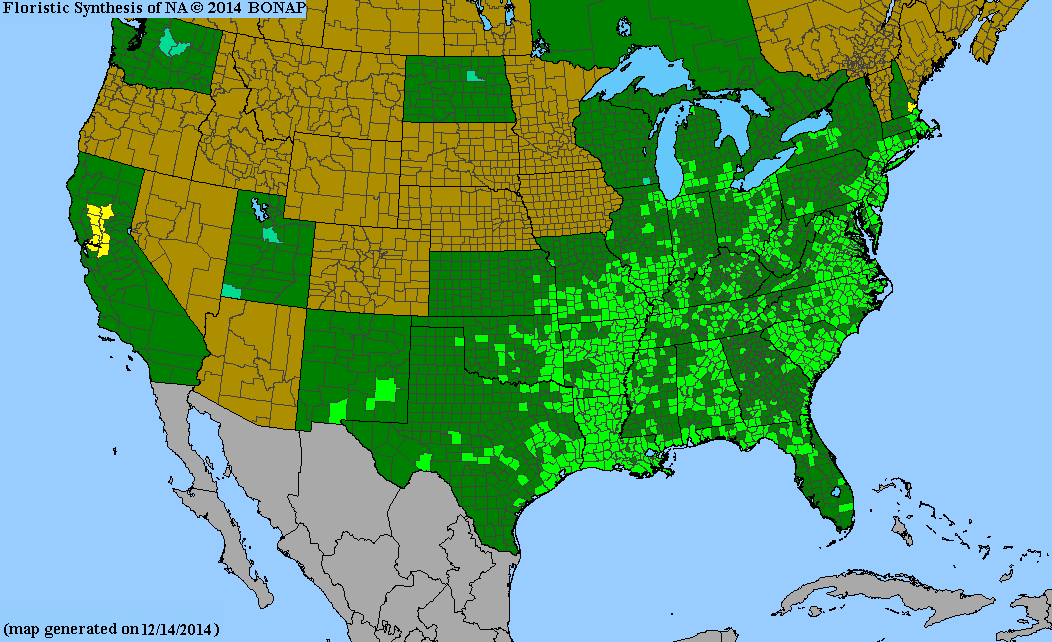
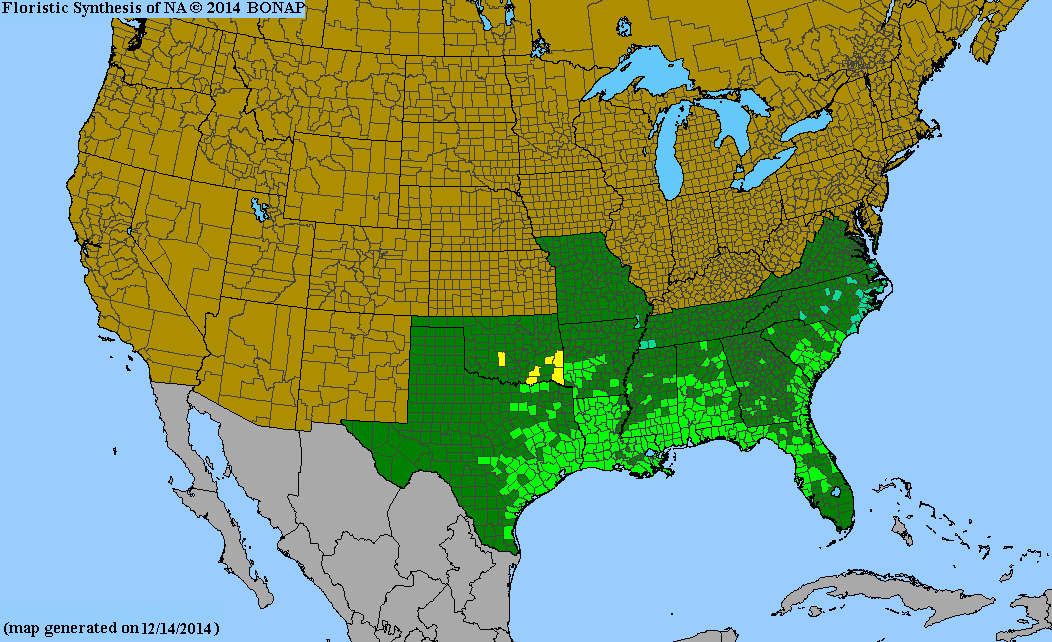
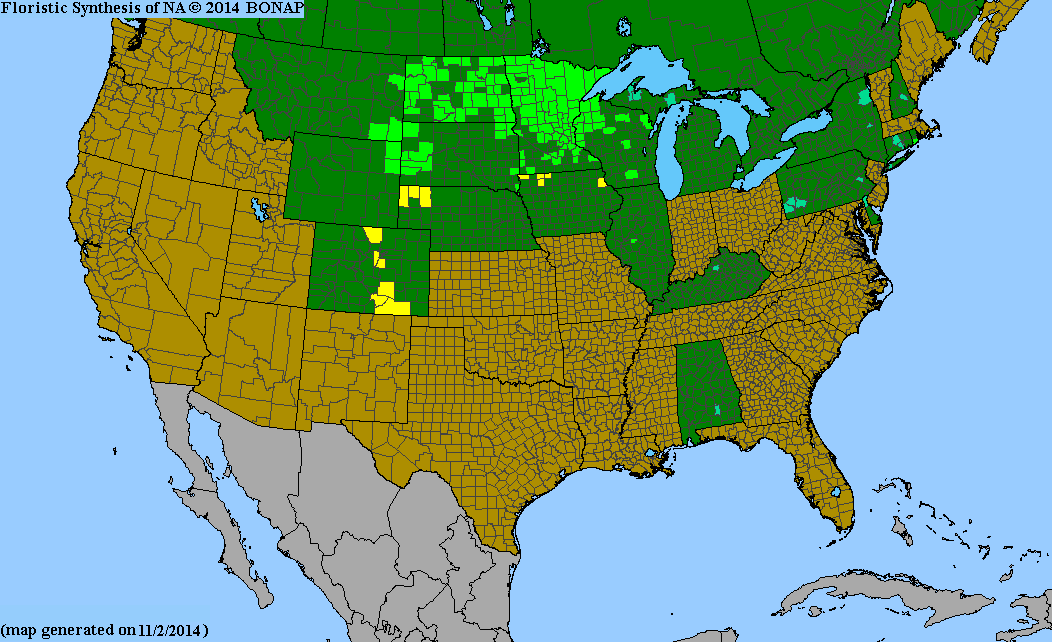
Newly planted Ilex vomitoria, yaupon holly. According to BONAP, yaupon holly is barely native to Tennessee (there's a waif population in the extreme southwestern corner of the state, around Memphis), but it's certainly a regional native throughout the Deep South. I would have liked to start with a larger plant, but as usual, it's very hard to find natives at our local nurseries, so this is a 1-gallon mail order plant. I find myself charmed by the reddish new foliage and (I believe) flower buds.
Physocarpus opulifolia, our native ninebark, I was so unimpressed with ninebark's performance last year that I almost shovel-pruned it over the winter. Still, learning from past mistakes (i.e. overly-hasty judgments), I decided to wait. So far, I'm very pleased with the new foliage on this plant. (For the life of me, I can't recall whether it's the 'Diablo' or 'Summer Wine' cultivar...)
Salvia guaranitica, anise-scented sage or hummingbird sage. The new foliage looks better this year than it ever did in the past. (In fact, I was so unimpressed with its first-year performance in 2014 that I shovel-pruned it --- or tried to. It came back anyway in 2015 (typical zombie plant behavior) and I decided to give it a reprieve. Feeling quite good about that decision so far and hoping it will be bigger and better than ever this year. 
'Queen of the Night' tulip from Easy to Grow bulbs. Whereas the earlier 'Pink Impression' tulips got chomped by some herbivore (let's blame the deer), so far these seem unmolested. 'Queen of the Night' is a really dark-flowered tulip. I had to use a flash to illustrate the interior of the bloom. I do think it's nice that there are early-flowering and late-flowering tulips so it's possible to spread out the tulip season over a month or more. (I'm guessing the deer might be less interested in late flowering tulips since there's probably more for them to eat in the woods this time of year now that many plants have leafed out.)

Crabapple coming into bloom! This 'Sugar Tyme' crab has pink buds that open into white flowers. Charming :) 
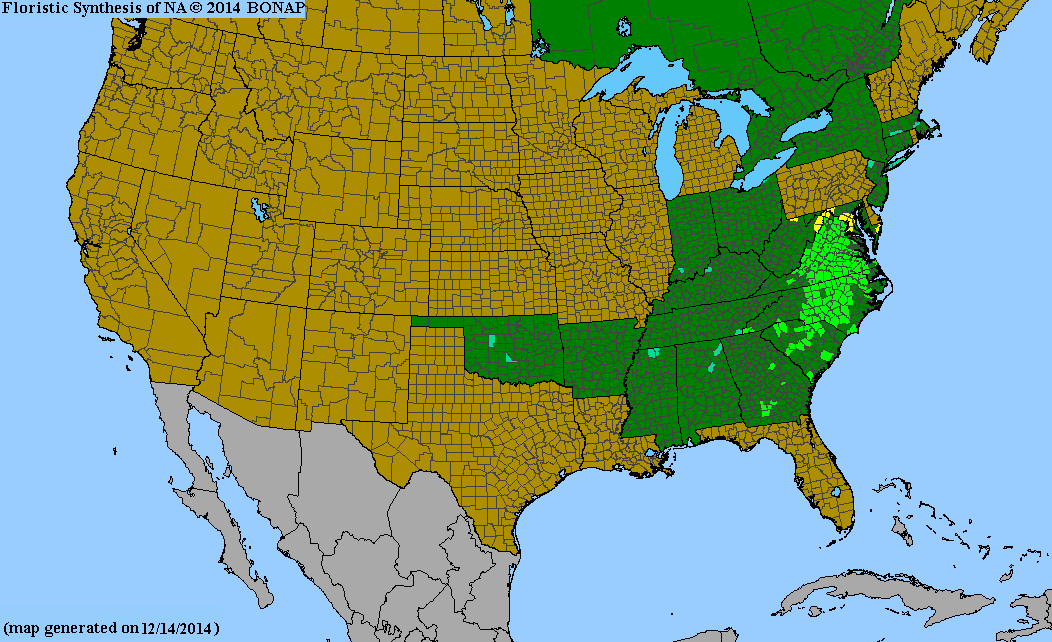
Newly emergent foliage on threadleaf coreopsis Coreopsis verticillata (in this case the 'Zagreb' cultivar) looks like a miniature forest if you get down on the ground and look at it sideways. This is another plant that is a regional native (barely native to far southeastern Tennessee, but quite widespread in the Carolinas and Virginia.

Here's a close-up on the newly emergent foliage on the evergreen Aucuba japonica.

Love the fresh new foliage on this Agastache foeniculum, anise hyssop. Despite the fact that this plant is native to the far Northern plains, it seems to thrive in Middle Tennessee. Of course, it's no surprise that it survives the winter with flying colors and emerges early in the spring. What is surprising to me is that it seems cool as a cucumber during our hot, humid summers. Based on my experience, the Agastaches are a highly garden-worthy genus, especially if you like to attract pollinators who flock to their long-blooming purple summertime flowers.


Instagram