Saturday, March 22, 2014

And They're Back!

Yellow daffodil
Daffodils have been blooming for weeks now in Middle Tennessee
The earliest blooms got felled by nights in the teens, but new flowers have taken their place

If you’re anything like me, you start looking forward to spring around, oh, January 2nd

But it’s a long, cold slog from the dawn of the New Year until many plants starting showing signs of life here on the zone 6-7 border in Middle Tennessee. Trees like Crape Myrtle and Vitex may be able to handle our summer heat, but they can take until mid-April to start leafing out. And perennials like Hardy Hibiscus can hide below ground until at least that time.

Since this winter was particularly harsh, I was worried that Spring would come late. But a stretch of temperatures in the 50s and 60s has breathed new life into the garden. 

(Note that the forecast over the next few days calls for a cold spell with lows in the lower-20s. I'll post updates of any damage. If I don't show damage, that means the plant seems to have emerged unscathed. No news equals good news in this case.)

Fuzzy new growth on an Arrowwood Viburnum
These plants sat in the garage all winter with barely any water.
I bought them too late last year (via mail order) and the weather turned brutal before I could get them in the ground.
Mea culpa. 
And yet, they survived. Color me impressed.
Alleghany Viburnum
New leaves on Alleghany Viburnum. Actually, the leaves have looked this way for weeks now.
It's my first spring with this plant, so I'm not sure if this is normal or when they'll unfurl.

"Vera Jameson" Sedum
"Vera Jameson" Sedum  

Salvia nemorosa (either May Night or Blue Hill, not sure which)

Redbud buds
Red buds on a redbud tree

Phlox paniculata "David"
Phlox paniculata "David", third year in the ground
I do like that P. paniculata emerges so early and the young leaves look beautiful.
They tend to look tired and tattered later in the summer in Middle TN.
I may try thinning out the stems this year to see if that helps improve air circulation and prevent mildew.

Phlox paniculata "Blue Boy"
Beautiful foliage

Mock Orange, Philadelphus x virginalis "Natchez"

Hydrangea quercifolia, Oakleaf Hydrangea "Snowflake"

Maple tree flowers
Maple tree flowers

Nigella damascena, Love in a Mist, self-sown seedling

Love in a Mist and a little Henbit
Loads of Love in a Mist (and a little Henbit, which is a weed, but a pretty one)
If you grow Love in a Mist, be aware that it can self sow enthusiastically unless seed heads are removed.
(The seed heads do stay on the plant a long time without shattering, so it should not be too hard to prevent or limit self-seeding if desired.)

Stachys byzantina, Lamb's Ear "Helene von Stein"
Note that I left last year's dead leaves to decay. 
Most sources advise raking the dead leaves away in the spring, but I wanted to see what would happen if I left them. So far, the Lamb's Ear seems to be doing just fine. I hope the old leaves will decay in warm weather and provide the plant with nutrients. It's a little unsightly at the moment, but I presume the new leaves will soon cover the old foliage.

Close up of Stachys byzantina, Lamb's Ear "Helene von Stein"
Close up on the Lamb's Ear. 
Love the fuzzy foliage.


Geranium x Cantabrigiense, Cambridge Geranium "Biokovo"

Juniperus virginiana "Grey Owl"
(I cheated here a little. There are no flowers or new leaves to show here, but this new addition to the garden performed beautifully through the cold weather and deserves a moment in the spotlight.)

Viola tricolor, Johnny Jump Up
I had lots of these last year, but this is the only flower I've seen so far this year. 
Hopefully more will soon appear.  


Gaillardia grandiflora “Arizona Apricot”
 Gaillardia grandiflora “Arizona Apricot”
Gaillardias reportedly are susceptible to root rot in heavy clay soils, so I wasn’t sure if this would come back at all, but it seems to have survived. (Plus you can see how poorly the plant was rooted last year. Now that it's taken root more firmly, hopefully it will perform even better in 2014.)

Forsythia
My neighbor's forsythia. All the forsythias in the neighborhood have burst into bloom in the past few days.

Daylily new foliage
Daylilies. 
As I've mentioned in other blog posts, I'm not a huge fan of daylilies for most of the year.
But I do love the exuberant fresh green foliage in early springtime!


Clematis "Crystal Fountain"
I'm trying to train this clematis to climb a crape myrtle, so far with limited success.

Echinacea purpurea, Eastern Purple Coneflower
I leave the seedheads standing over the winter  both to feed the birds and to help the Coneflowers multiply.
This strategy seems to be working!


Rubus calycinoides (a.k.a. Rubus pentalobus), Creeping Raspberry
I was under the impression that Creeping Raspberry was an evergreen groundcover, instead it seems to be performing like an herbaceous perennial in my zone 6/7 garden. 
This is a little disappointing. 
But I'll be patient. Perhaps the old stems will sprout new leaves later in the spring?
Anyway, it's nice to see new growth and know the plant is not dead!

Camellia buds after cold winter
Unknown camellia.
Several young camellias were severely damaged by our cold winter.
You can see that this established camellia suffered some foliage damage too. 
Still, I'm impressed it did not drop its buds. They seem poised to bloom any day now.

Sedum "Autumn Joy"
Sedum "Autumn Joy"

Alchemilla mollis, Lady's Mantle
As with the Lamb's Ears, I'm experimenting with leaving the old foliage in the hopes it will decay and fertilize the plant.

Aronia arbutifolia "Brilliantissima", Red Chokeberry

Ajuga genevensis, Geneva Ajuga

Agastache foeniculum, Anise Hyssop "Golden Jubilee"
Love the coloration on these early leaves. Later, they'll turn bright gold.

Agastache foeniculum, Anise Hyssop "Golden Jubilee" with coccoons
Close up on a bunch of tightly-packed cocoons on the old stems of the Golden Jubilee Agastache.
I've no idea what species spun these cocoons, but perhaps I'll get to see if/when they hatch! 
Anyone have any guesses?

So...how’s spring shaping up in your garden?

Wednesday, March 5, 2014

Ripe for Discussion: Ethiopian Seed Bank, Pizza Hut and Sheep

Beautiful undulating farmland in the hills of Northern Ethiopia's Gondar region. Photo by Marta Semu
Beautiful undulating farmland in the hills of Northern Ethiopia's Gondar region
Photo by Marta Semu

I came across two article in The Guardian newspaper that seemed of interest to gardening-minded readers:

First, a story on an Ethiopian seed bank trying to preserve agricultural genetic diversity. One quote that caught my eye from the article, "The UN Food and Agriculture Organization estimates that 75% of the genetic diversity of agricultural crops worldwide was lost over the course of the 20th century." (The actual report summary says "crop diversity" rather than "genetic diversity", but I'm not sure if that's splitting hairs.)

What's the upshot for a home gardener? I'd say the story reinforced my interest in growing heirloom vegetables. I believe a more diverse food web is a stronger food web. See the Irish Potato Famine for evidence of what can go wrong when a population leans too heavily on a monoculture.

Then I came across this hyperbolic but funny article on a 2,880-calorie cheeseburger crust pizza that Pizza Hut has launched in the UK. Much of the humor may be over-the-top, but then so is the calorie count.

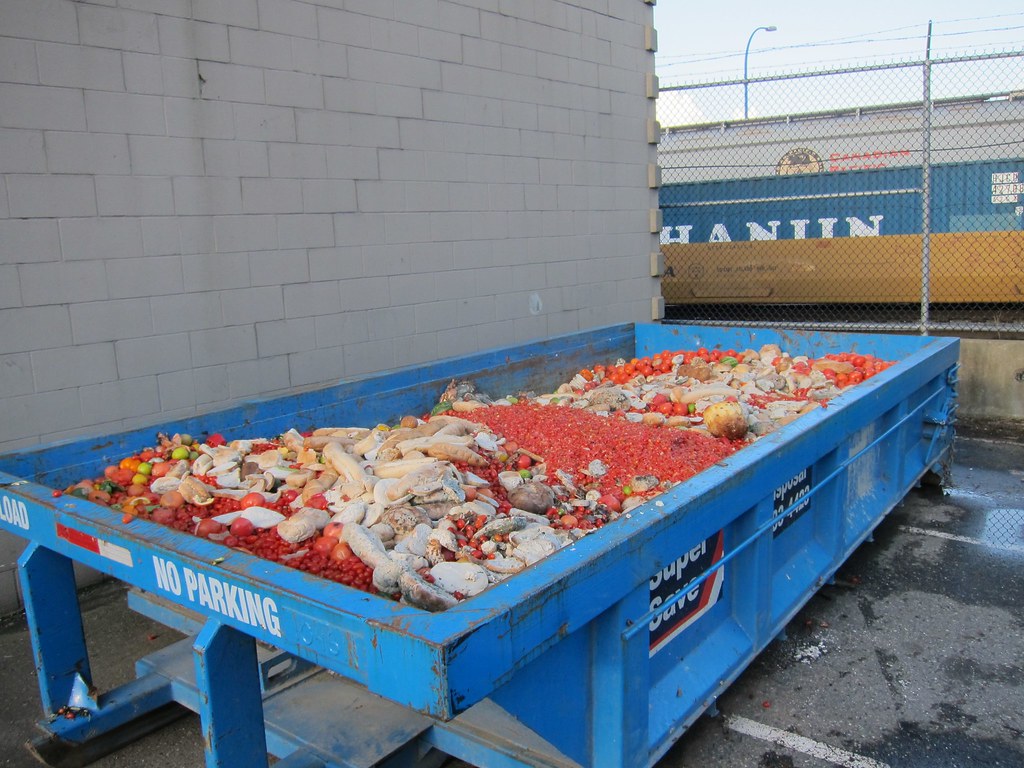
For me, that article threw a spotlight on wretched excess. I'm not saying we should all wear hair shirts, but there's a case to be made that the gluttony of billions of humans and the associated food waste cause much damage to our planet.

A dumpster full of discarded food. Photo by Stephen Rees
A dumpster full of discarded food
Photo by Stephen Rees

Again, what is the takeaway for a gardener? For me, growing some of my own food made me much more cognizant of the beauty and the hardship of creating food from seed. As a result, I found that I was more likely to treasure the food on my plate and less likely to waste it.

It's also true that if Americans were willing to devote even a small part of our residential landscapes to growing edibles instead of grass, we would strengthen our food web while simultaneously reducing some waste. While it's possible to garden wastefully, a gardener who sows, tends and harvests his or her own lettuce would surely create less waste than the massive system involved in packaging, transporting and discarding millions of bags of lettuce.

Where do sheep come into the picture? Well, I could make the point that we modern consumers too often act like sheep in following the herd toward whatever marketers tell us to buy, but I really just wanted to finish on a light note with this fun story from Temple University's News Center showing that sheep might do a better job than mowers at controlling vegetation in storm water basins.

Paris apparently has already gotten the jump on the U.S. in the sheep lawn mower department.

What do you think? Would you let sheep "mow" your lawn? Apparently, it's an option in at least one Ohio town -- and for the incredibly low price of just $1 per sheep per day!

Sheep lawn mowers?! Photo by t0msk
Sheep lawn mowers?!
Photo by t0msk

Personally, I love the idea of having sheep grazing my lawn. My only concern would be whether they would stop at the lawn or go on to eat the ornamental grasses, the flowers, the shrubbery and so forth. But if you had a patch of lawn fenced off from the flowerbeds, it would be perfect for grazing.

Who's with me? :-)

Monday, March 3, 2014

One More Horticultural Resource -- List of Selected U.S. Historical and Estate Gardens


Visitor at Monticello vegetable gardens. Photo by Chiot's Run
Visitor at Monticello vegetable gardens
Photo by Chiot's Run

Over the past couple of months, I've added a few lists to the sidebar of this blog.

The first list was my effort to provide a fairly comprehensive overview of the highest quality U.S. botanical gardens I could find.

Last month, I tried to give the same treatment to U.S. arboreta.

Now I have compiled a third (and perhaps final) resource list comprising some of the most famous, impressive and beautiful historical and estate gardens across the United States. As with the others, you'll find that list in the sidebar directly following the arboretum list.

What separates an historic or estate garden from a botanic garden or arboretum?

Clearly historic or estate gardens typically are built around old mansions. Many of these properties try to stay true to their historical roots by continuing to use the same types of plants (including heirloom vegetables and ornamentals) or at least the same design ethos.

Botanic gardens and arboreta are subject to no such constraints. Generally, they can experiment to their heart's content with new designs and new plants.

In other cases, the difference is simply a question of age. Gardens like the ones at Monticello and Tryon Palace are hundreds of years old, whereas many U.S. botanic gardens were founded within the 20th Century.
Gardens at Tryon Palace, New Bern, NC. Photo by Zach Frailey
Gardens at Tryon Palace, New Bern, NC
Photo by Zach Frailey

On the other hand, there are much older botanic gardens overseas -- the botanic garden in Padua, Italy is more than 450 years old!

So age is not the main consideration and neither is the question of whether or not the garden is built around an old estate. In Nashville, Tennessee, Cheekwood Botanical Garden is built on the grounds of a 1930s estate that was constructed with a fortune made through an early investment in Maxwell House coffee.

But Cheekwood does not attempt to recreate the formal gardens that existed on the site 80 years ago. Elements of those gardens may remain, but Cheekwood now includes a Japanese garden, an herb garden, an impressive dogwood collection, a rain garden and many other marvelous ahistorical plantings.

I would say the other major difference between botanical gardens, arboreta and historic/estate gardens, is that botanical gardens and arboreta have multiple missions. Yes, they are places of beauty, but they are also focused on horticultural education, research and preservation.

By contrast, it seems that historical or estate gardens are concerned primarily with aesthetic beauty, with historical education being a secondary goal.

One obvious way in which these different types of institutions reveal their different goals is through the use of plant labeling. Botanical gardens and arboreta understandably tend to be very good about labeling the plants in their collection so that a visitor instantly knows what type of plant she is observing - genus, species and named variety (if applicable).

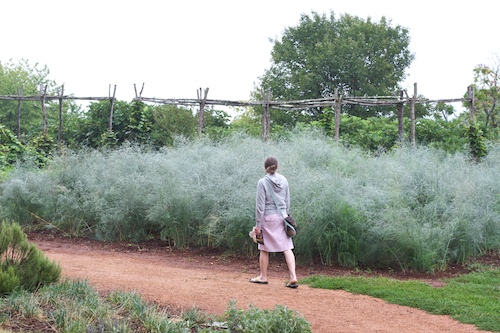
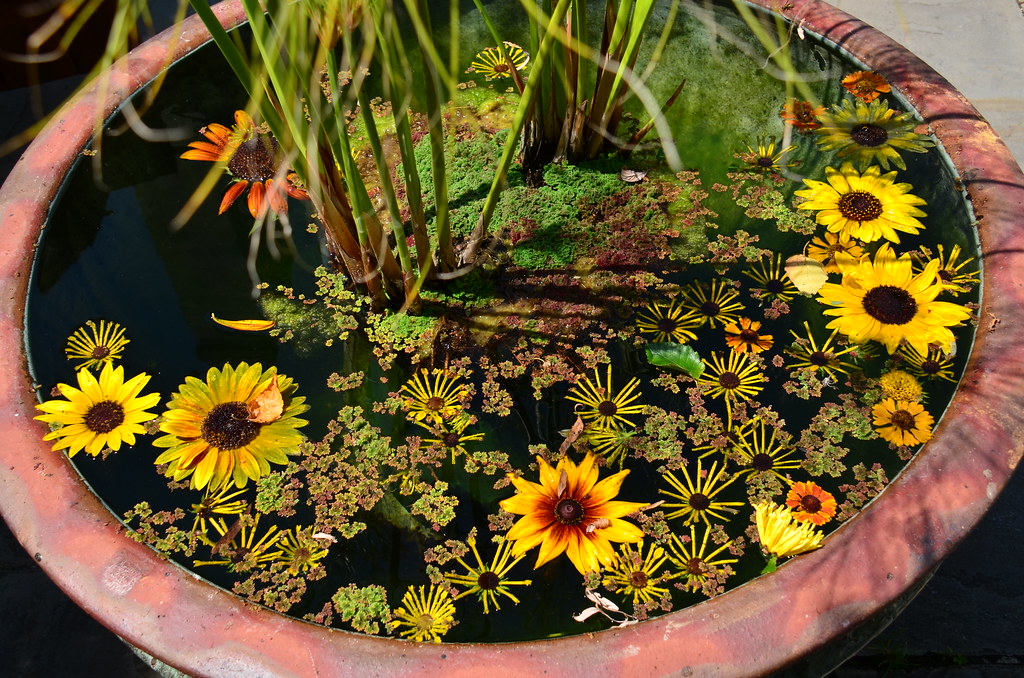
By contrast, an historical or estate gardening may have minimal labeling, if it has any at all. Last summer, I had the opportunity to visit the wonderful Chanticleer garden in the Philadelphia suburb of Wayne. There were unobtrusive boxes where placards were stored that gave interested visitors information on nearby plants, but the plants themselves were unlabeled so as not to interfere with the pure aesthetic appreciation of their beauty.

A floating wonderland at Chanticleer in Wayne, PA. Photo by Simon
A floating wonderland at Chanticleer in Wayne, PA
Photo by Simon
All three types of gardens have their merits. I hope these three lists in the sidebar inspire you to visit botanic gardens, arboreta and historical/estate gardens near where you live - or wherever your travels take you.

(PS - I hope that my focus on the U.S. will not be misinterpreted as narrow-minded nationalism. I have no doubt there are many amazing and worthy botanic gardens, arboreta and historical/estate gardens around the world, but unfortunately I do not have the time at the moment to publish a comprehensive list. What I may do sometime later this year is create another list in the sidebar of some of my favorite foreign gardens that I have visited in person. That list would be rather brief at the moment, but I hope it would grow in years to come.)

Wednesday, February 26, 2014

Ripe for Discussion: Vines on Walls?


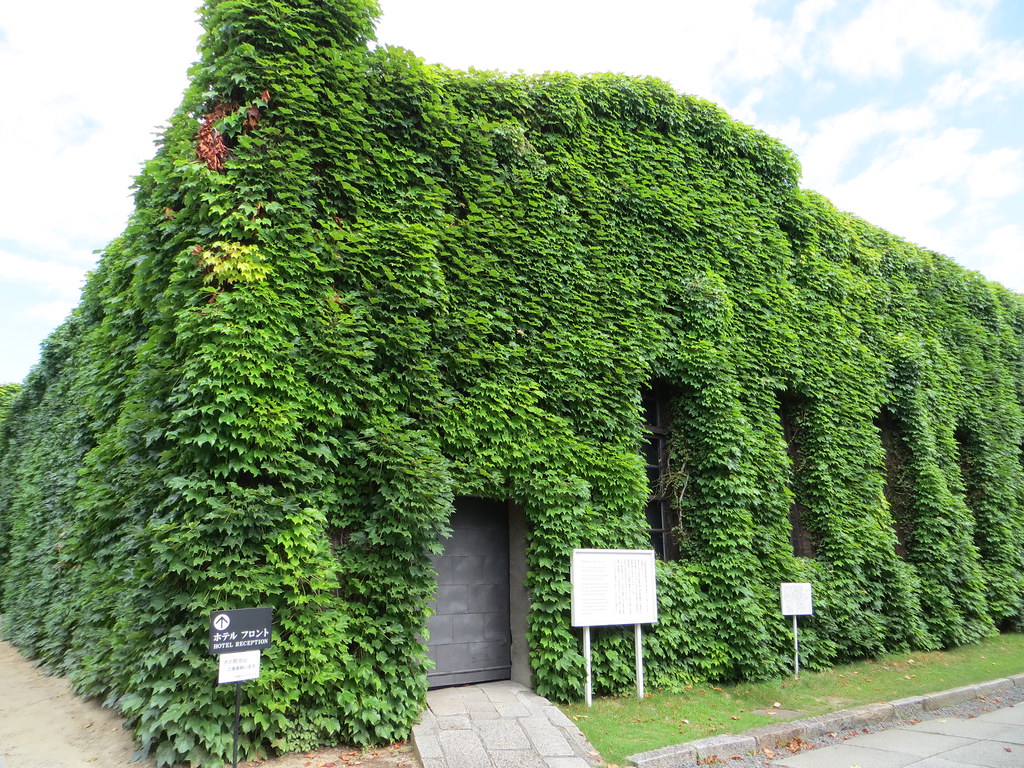
Ivy covers a structure in Kurashiki, Japan. Photo by Joel Abroad.
There may be a building under there somewhere....
Ivy covers a structure in Kurashiki, Japan.
Photo by Joel Abroad

I recently came across this study (published nearly four years ago, but new to me) from Oxford University in the UK saying that ivy could benefit walls by protecting them from temperature extremes and pollution.

I'd say there are at least two important caveats to this study:

1) The authors seem comfortable claiming ivy helps protect intact walls, but they note that ivy might exacerbate problems in walls that already have cracks or holes.

2) The ivy study seems to have focused only on five sites in England, so it's not clear whether the findings apply in much hotter/colder/drier/wetter settings. (Although really, is there any place wetter than England? Probably not this winter.)

What do other Internet sources say?

Today's Homeowner pretty much agrees with the Oxford study, saying ivy can protect "solid, well-constructed masonry walls" but basically warning against using ivy as a climber anywhere else -- dry-stacked walls, old brick homes, wooden walls or fences, siding, stucco, painted surfaces, etc.

The consensus on one home improvement forum (StackExchange) seems to be that ivy on walls is bad news. The only dissenters were the ones who cited the Oxford study.

And then there's the whole issue of invasiveness, at least here in the States (since the commonly used English Ivy, Hedera helix, seems to have been introduced here from Europe and western Asia).

As I understand it, ivy grown as a groundcover can be annoying in terms of running rampant over anything else in a garden bed, but it only really becomes invasive when it is allowed to climb, flower and produce seeds that are then dispersed by birds into forest settings. Seems like wall-grown ivy would be a constant source of menace in terms of introducing ivy seeds into the environment.

*****

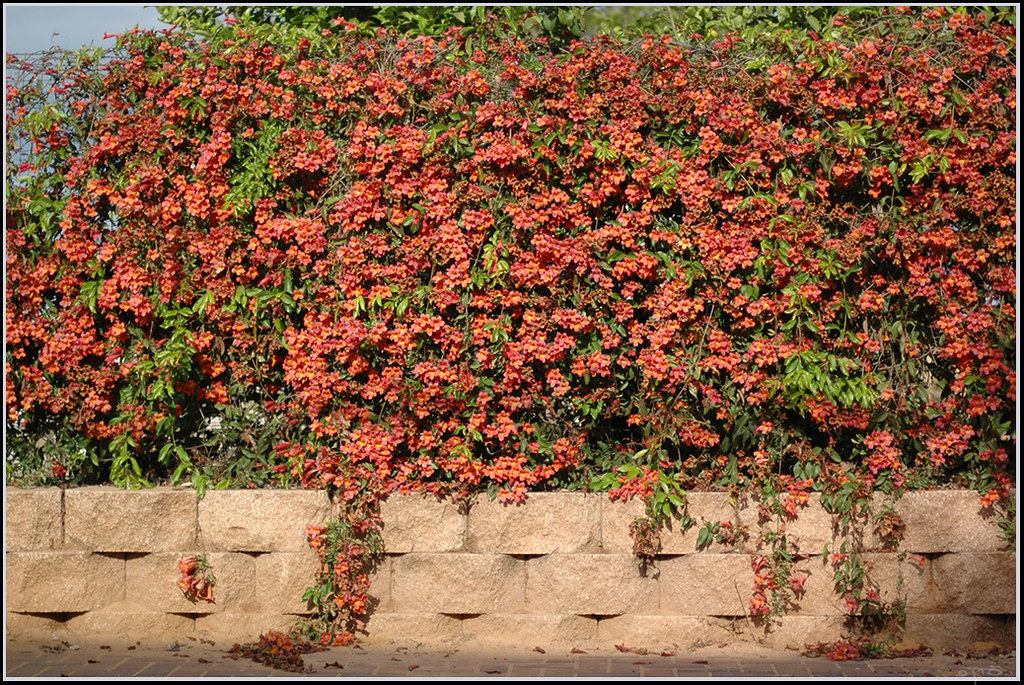
But even if you swear off English Ivy, what about using other vines - perhaps native vines - to cloak your walls? For example, what about letting the native Crossvine (Bignonia capreolata) clamber up your wall? Does the idea intrigue you or you terrified that tendrils will creep into your attic one dark and stormy night?

Bignonia capreolata, Crossvine, "Tangerine Beauty" variety. Photo by Eran Finkle
Bignonia capreolata, Crossvine, "Tangerine Beauty" variety (may be a bit easier to tame than the species)
Photo by Eran Finkle
Or what about Virginia Creeper (Parthenocissus quinquefolia), also native to North America, but sounds far more rampant than Crossvine. The Lady Bird Johnson Wildflower Center says that Virginia Creeper climbs with adhesive disks rather than penetrating rootlets and thus does not cause as much damage to buildings as some other vines.

Have you -- or would you -- grow a vine on a wall of your house or other structure (garage, shed, etc.)? 

Or do you think that's just asking for trouble?

One other idea -- what about getting the aesthetic and protective benefits of a vine without the potentially destructive drawbacks? Old-House Online suggests building a trellis along a wall for a twining climber like wisteria or grapevine.

I like the concept, although I object to the wisteria suggestion. Japanese Wisteria and Chinese Wisteria are exotic invasives, and I believe even our native wisteria -- American Wisteria, W. frutescens -- would want to grow too big and heavy for a wall trellis. Plus wisterias have poisonous seeds, which I would argue mitigates against using wisteria in a residential setting.

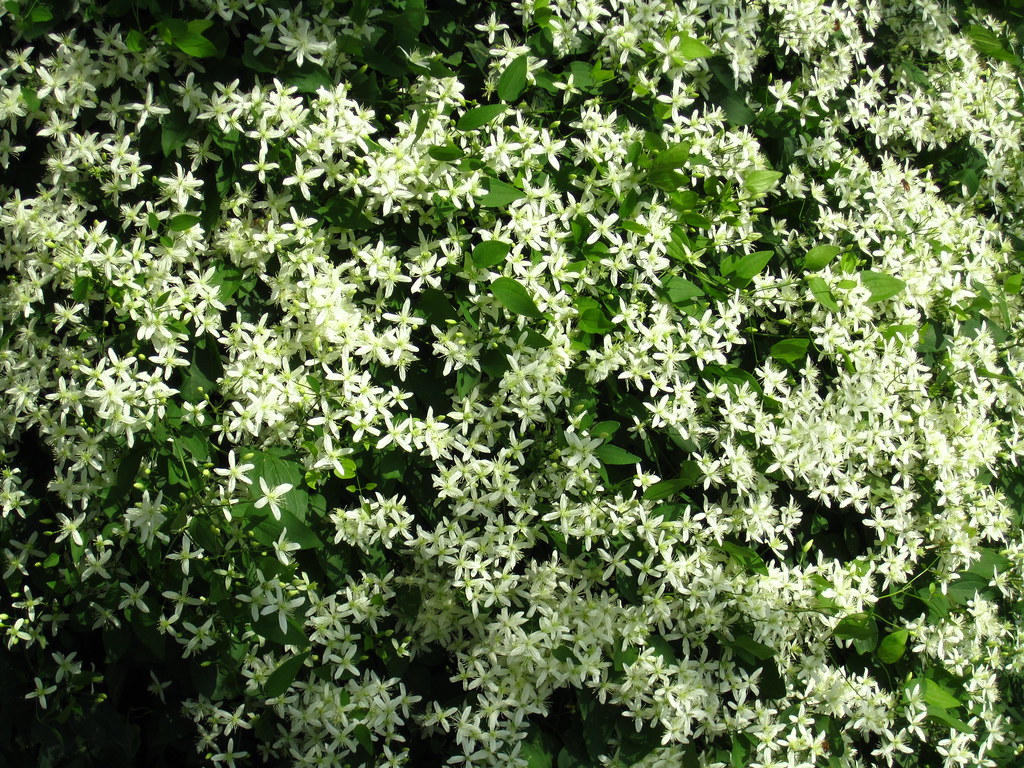
But perhaps other twining vines -- e.g.,  Coral HoneysuckleArmand Clematis or the Hops vine (Humulus lupulus) -- would do the trick?

Clematis armandii in bloom. Photo by Ali Eminov
Clematis armandii in bloom
Photo by Ali Eminov

Update: Here's how Mr. Smarty Plants of the Lady Bird Johnson Wildflower Center sees the pros and cons of growing vines on walls.

Thursday, February 20, 2014

Help Wanted: How and When to Cut Back?


My Dad likes to say, "Dates on the calendar are closer than they appear."

Spring will be here before you know it. This past week, we finally got our first real stretch of above average temperatures with highs in the 60s. I know it won't be long before lots of plants start putting on new growth.

Before that happens, I'm aware that I probably should do some trimming. But I confess that I'm not confident I know exactly how or when to trim. Thus I humbly solicit the expertise of other more experienced gardeners on the following plants. Your advice is greatly appreciated!

Muhlenbergia capillaris, Pink Muhly Grass, Sweetgrass - Some online sources suggest cutting Pink Mulhy grass to 6-inches tall in the early spring. Other sources say that Pink Muhly should never be cut shorter than 12-inches tall, or should be cut back by one-third or even left untrimmed with the old foliage just raked out if desired. You can see why I could use some guidance here from gardeners who have grown this plant.

Schizachyrium scoparium, Little Bluestem, "The Blues" - I was dubious when a landscaper suggested these plants, but I'm oh-so-glad I agreed. This tiny little 'meadow' of waving grasses has been one of the happiest sites in my garden year-round since it was installed. Color me impressed with these golden blues. My landscaper may cut the Little Bluestem for me, but I'd still like to know what y'all think. I think I've heard that Little Bluestem should be cut to around 8-inches tall in late winter or early spring. Does that sound right to you? Or should I just rake/pull out any loose leaves?

Epimedium x perralchicum "Frohnleiten" -- An evergreen perennial with groundcover habit, I've read in the AHS Encyclopedia of Garden Plants that it's often a good idea to clip back old epimedium foliage in late winter or early spring to stimulate flowering and the growth of new foliage. Does this align with your experience? And how do epimediums typically deal with transplantation of I wanted to try moving it someplace a little shadier? (It gets lots of shade in the winter where it is now, but it has to cope with the strong afternoon sun in summertime.)

Dryopteris x australis, Dixie Wood Fern - This is a native Southeast fern that did great last year. As you can see, in winter the stems all collapsed, but the fronds stayed green. I don't have much experience with ferns, but I guess I'm just wondering whether I should cut the fronds at the base where they've already fallen to make way for new fronds in the springtime, or whether I should just let them naturally decompose as they seemed to do regularly during the warmer months last year. (I'm predisposed to just let them be.) But if I were to trim away the old fronds, should I do so now or wait until a bit later in the spring? (I'm not sure when the new fronds typically emerge...)

Finally, there's the question of Aucuba japonica or Gold Dust Plant. I'm probably zone-pushing a little with this plant, but MSU does call it hardy to -5 Fahrenheit. In a sheltered spot, it seems to have come through the harsh winter of 2013-14 (official low temperature of -2) without too much damage. Some leaves have blackened, however. Should I trim those off or will they just fall away naturally and decompose?


I'm most worried about the top part of the plant. Aucuba leaves tend to droop in cold weather and then perk up again when temperatures warm. But the leaves at the top of this Aucuba are staying droopy. And I don't see any new leaves emerging here as they are elsewhere on the plant. Should I trim off this top section or will that permanently stunt the Aucuba's growth?

Just another pic to show the new leaves emerging elsewhere on the Aucuba that I don't see at the top of the plant. From what I understand, Aucubas typically respond well to pruning. Pennsylvania garden writer George Weigel says that the tips of cold-damaged stems can be snipped off in late March just before new growth begins. Does that jibe with your experience?


Thanks for any advice or suggestions you may have. It's always nice when we gardeners can benefit from one another's experiences!

Monday, February 17, 2014

A Hard Winter, A Lot of Damage, A Little Hope

This has been a hard winter in Tennessee.

For the first time in years, the mercury dipped below zero degrees (-2 was the lowest I saw) and we had several nights in the zero to 5 degree range.

The lack of insulating snow cover and gusty breezes in my windswept hilltop garden compounded the impact of the cold temperatures.

The result? Zone-pushing plants took a real hit -- and even some broadleaf evergreens that should have been OK in my zone (like Sarcococca confusa) seem to have been killed or severely wounded.

After singing the praises of camellias in previous years, now I'm faced with the hard truth that they are only marginally hardy in Middle Tennessee.

A young camellia that I planted in November in a windy, relatively sunny spot seems to have suffered severe damage. 
Even this established camellia in a shadier and slightly more sheltered spot seems to have damage on about half its foliage.

And then there's Raphiolepsis umbellata, a.k.a. Indian Hawthorn. There were three of these in the back foundation bed (SW exposure) when we moved in. Native to India and Southern China, these members of the rose family are champs when it comes to tolerating heat and drought. They barely blinked and certainly did not wilt even when temperatures regularly soared past 100 degrees during the summer of 2012. Wind and humidity didn't faze them. Rabbits and deer didn't bother them. But the cold seems to have got the better of them.

Even the most cold-tolerant varieties are only rated as being hardy to 5 degrees Fahrenheit, and we've fallen below that number a couple of times this winter. I'm seeing what looks like significant foliage damage on all three Hawthorns. Of course, having never dealt with this before, I don't know whether the plants will shed their leaves in the spring and grow new ones, or whether they're not long for this world.

Indian Hawthorn in happier times (July 2013)

A toasted Indian Hawthorn in February 2014. Not looking promising...


Here are some photos of a few other plants that are not looking their best:

Ajuga reptans - Looks awful, but since it is rated as being hardy to zone 4, I presume it will bounce back


Ajuga genevensis - Much less common but a zone hardier than A. reptans, looks relatively thick, lush and unperturbed by zero degree temps.


Rubus calycinoides, Creeping Raspberry looking crispy. Hopefully this one will bounce back. It's rated to zone 6, but it's in a sunny, windy spot where it probably faced unusually high winter stress.


Stachys byzantina, Helene von Stein, Lamb's Ear - Most of this looks dead, but rated as hardy to zone 4, so I'm hoping it's just playing possum. There's a bit of fresh new growth peaking out from under the rubble of last year's leaves. The question is: Do I need to rake away the old growth this spring, or should I let it stay and decompose as mulch/fertilizer?


Veronica peduncularis, Prostrate Speedwell "Georgia Blue" - Looking fairly dreadful, but rated as hardy to zone 4 or 5, so again, I'm hoping this will bounce back as the weather warms.

What about the deciduous plants like crape myrtle, vitex, rose of sharon, fothergilla, chokeberry or redbud? Any damage they've suffered in these cold spells won't be visible for months until the plants leaf out (or not). I'll try to post an update when that happens.

It's hard not to get discouraged seeing how poorly some of the new and established plants have fared in this hard winter. But gardening teaches humility. I've gone back to the drawing board a bit this winter, scratching some ideas off the list and trying to find others that can withstand whatever heat, cold, floods or drought Tennessee's climate can throw at them!


So....where does the Hope come in?

Well, I did add two new shrubs to the garden that have impressed me so far with their toughness:

Juniperus virginiana "Grey Owl" -- rated to zone 2, this charming evergreen with a soft grey-green color has seemed fairly unperturbed, which is no real surprise as it's rated hardy to zone 2. Supposed to eventually reach 3-feet high by 6-feet wide, I'm considering getting several more as replacements for the Indian Hawthorns. As an Eastern Red Cedar, it's native to Tennessee, which is another plus in my book. 

Viburnum x rhytidophylloides --  Yes, the Latin name is daunting. And the 'common' name of Lantanaphyllum Viburnum really isn't that much friendlier. But last November, I bought and planted the pronounceable and esteemed "Allegheny" variety, which is supposedly more resistant to bacterial leaf spot than the species. (Always a good thing.) Allegheny viburnum is supposed to tolerate drought, pollution and heat. Thrown into the crucible its first winter in the ground, I can report that it has held onto at least a few of its leaves, which turned a lovely purplish color. And it's very encouraging to see the new baby leaves taking shape at a time when there are not many other signs of life in the garden.


So hope does spring eternal!

A maple branch starts to color up against a bright blue sky on a clear and seasonable February day.

Monday, February 10, 2014

Anger, Snow, Drought, Butterflies and Poetry

Snowy Chicago and frozen Lake Michigan, February 4, 2014
Photo by Patrick Giblin via Creative Commons

I read online a few months back that anger is the Internet's most prevalent and powerful emotion.

That sounds about right to me.

And it concerns me a bit, because so many of us spend so much time on the Internet these days, that we're probably absorbing that anger, contributing to it and most likely taking it offline into our personal lives.

That's probably not healthy.

Of course, that's one reason I like writing and reading gardening blogs. There's usually not much anger either on the part of the writer or the commentators.

On most sites, comments sections are typically inane at best or vicious at worst, filled with ad hominem attacks. But gardening blog comment sections are typically supportive, humorous, helpful and kind. I think it speaks well for our ilk and gives me hope for the human race. (OK, maybe that's naive or silly, but that's how I feel.)

And yet...

Allow me to vent just a little on a story I came across just today in the venerable New York Times with an editor from Powder magazine scaremongering about "The End of Snow?"

Seriously!?

Did the Times commission this piece and agree to run it back in July?

Because last time I checked, this has been the harshest winter in decades in large parts of the Eastern United States.

Here in Tennessee, our temperatures have been running about 20 degrees below normal lately. Over the next couple of days, 2-4 inches of snowfall is being forecast south of us in Alabama and Georgia.

Wait....what's that white stuff?
Oh yeah, it's SNOW in Bethlehem Pennsylvania, February 3, 2014
Photo by Marty Desilets via Creative Commons


My father up in Pennsylvania seems to spend most days shoveling snow as his state has been hammered week after week by snow and ice. The most recent storm left hundreds of thousands of people without power - some for five days now. One guy apparently tried to stay warm in his powerless house by lighting a Duraflame log on his kitchen table.

Now I know that somebody is bound to jump up at this point and say, "But wait - global warming is a global phenomenon and you're talking about local weather patterns."

To which I say: Sure. I know that temperatures have been running above average in California and southern Florida, but large sections of North America have clearly been way below average temperature-wise this winter. Thousands of cold and snowfall records were broken last month. Just for a sampling, this winter is shaping up to be one the snowiest on record in places like Cleveland, Detroit and Chicago.

Of course, all that snow may have escaped the notice of Powder magazine since the skiing probably isn't so great on Michigan Avenue. But I'm sure that some ski resorts (e.g., in Montana) have gotten oodles of snow this year.

Farther afield, Tokyo just had its heaviest snowfall in 13 years. I don't think we need to worry that snow is on its way to becoming something you can only view in a very cold museum.

I am a fervent and proud environmentalist. I also understand that some people actually believe global warming is a proven fact, but personally I don't hold great faith in climate prognosticators of any stripe when the meteorologists with all their satellites and sophisticated computer models tend to get the weather wrong more often than not, especially when trying to predict anything more than 24-48 hours into the future.

And I don't find all that helpful to have anecdotal evidence that the snowpack in a given location might be less than 40 years ago. Because four decades ago, we were in the 1970s (yikes), which I believe was such an unusually cold decade that news magazines were running stories about how we might be about to enter a new ice age.

(Incidentally, we might be due for another ice age. On the down side, it would wipe out a lot of life on the planet. On the upside, the skiing opportunities would probably be legendary.)

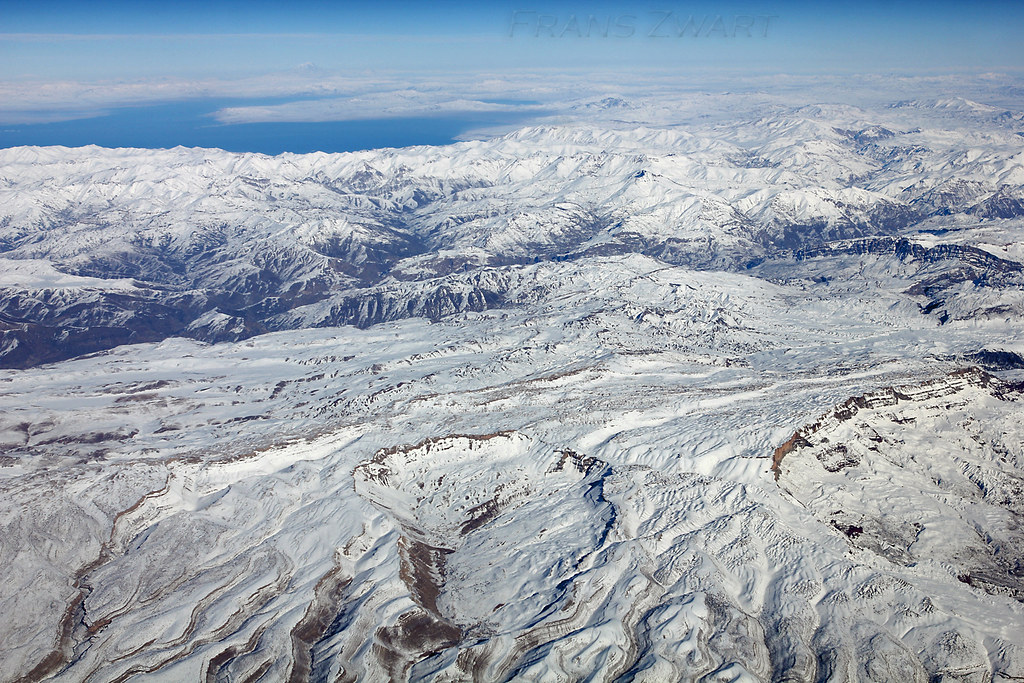
Lots of snow in this Turkish mountain range., but no visible ski resorts.
Maybe there is an inverse relationship between ski resorts and snowfall?
Beautiful photo by Frans Zwart via Creative Commons

The point I would like to make is that scaremongering may win clicks, but I think it tends to boomerang and erode the scaremonger's credibility in the long run.

Unfortunately, that's what has been happening. When people run around year after year saying, "The sky is falling! The sky is falling! We're not going to have winter anymore unless we all radically change our lifestyles." And then we have a brutal winter, people just stop listening and figure we can all merrily pollute to our heart's content.

And that's a problem. Because I think we are screwing up the planet in some ways. That's what happens when you have billions and billions of people blithely building, consuming, polluting and reproducing.

I wouldn't be quite so harsh on homo sapiens as Agent Smith was in The Matrix, but it's clear that collectively we are are tacitly supporting an agricultural system that rips out milkweed, plants endless fields of corn and drives the Monarch butterflies to the brink of extinction in the process.

We are withdrawing water from underground aquifers faster than those aquifers naturally can be replenished.

And yet we have someone wringing his hands about how global warming is going to harm the skiing industry?!

Here's an idea -- If you're concerned about human impact on the planet, why not stop flying around the world on pollution-spewing airplanes just so you can get your kicks sliding down a mountainside.

(The ski industry's eco-friendly credentials are not burnished by the news that snow-making in the Alps uses more water than the inhabitants of Vienna in wintertime.)

Let's face it - the whole skiing industry is massively wasteful and probably representative of our cavalier disregard for the planet. Let's take a pristine mountainside, chop down the trees to create ski runs, build condos and hotels and other buildings -- all of which incidentally emit heat, almost certainly making the local microclimate warmer. Then let's attract millions of people from all over the world who will almost certainly arrive by car or plane clad in the latest space-age gear made from petroleum products.

(I realize I just aggravated off an awful lot of people, thus fulfilling my initial point that the dominant emotion on the Internet is anger.)

All I'm trying to say is this -- If you want to ski, OK. If you want to agitate against global warming, OK. But you cannot credibly have it both ways by pretending to care about global warming and then blithely advocating a lifestyle that emits massive amounts of global warming inducing greenhouse gases while calling on "federal policy makers to take action on climate change."

You want action? How about starting by changing your own lifestyle.

If you're upset about big agribusiness, try to eat local, grow your own food, support local organic agriculture and so forth.

If you're upset about the fact that the Monarchs are dying out, plant milkweed.

If you're upset about droughts, advocate more sensible water policies. Encouragingly, cities across the West are doing just that by paying citizens to rip out their lawns and replace them with drought-tolerant landscaping - or even by outlawing lawns altogether.

And if the vitriol on the Internet, cable talk shows, newspaper editorial columns, radio shows, etc. makes you mad, just shut it off.

Take a deep breath.

Plant some flowers.

Read a gardening blog -- most of the time we're really quite calm and civil.

And if the whole rigmarole has got you down, if you feel buffeted by inanity and calamity, assailed by the cruel winds of fate (or perhaps just the howling gales of this bitterly cold winter), it may help to remember the encouraging words of the English poet William Ernest Henley who wrote:

Invictus

Out of the night that covers me,
Black as the Pit from pole to pole,
I thank whatever gods may be
For my unconquerable soul.

In the fell clutch of circumstance
I have not winced nor cried aloud.
Under the bludgeonings of chance
My head is bloody, but unbowed.

Beyond this place of wrath and tears
Looms but the Horror of the shade,
And yet the menace of the years
Finds, and shall find, me unafraid.

It matters not how strait the gate,
How charged with punishments the scroll.
I am the master of my fate:
I am the captain of my soul.

Saturday, February 8, 2014

Another New Resource: List of Selected U.S. Arboreta

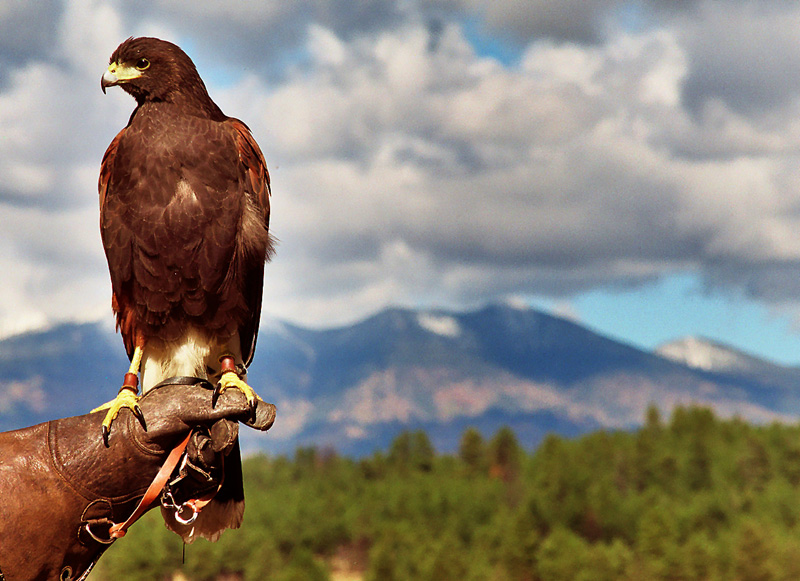
Red-tailed hawk, Arboretum at Flagstaff 
Photo by James Jordon (via Creative Commons license)


Back in December, I added links to many U.S. botanical gardens into the right sidebar.

In an attempt to make this site into an even more useful and comprehensive gardening resource, I've gone ahead and added an additional list to the sidebar -- a collection of some of the biggest and best U.S. arboreta (alphabetized by state).

There seems to be some overlap in definitions of arboreta and botanical gardens. An arboretum can theoretically still contains shrubs and even perennials. I'd put forward the Dallas Arboretum as case in point (although that institution's full name is "Dallas Arboretum and Botanical Garden").

But from a practical, workaday perspective, I'd say that arboreta tend to focus their attention on tree collections, whereas botanical gardens typically have much broader collections.

In many cases, an arboretum may consist of a city park or university campus with a diverse collection of trees, many of which are labeled for the edification of visitors.

An arboretum may have a specific educational mission. University arboreta such as the Arnold Arboretum of Harvard University can provide students and professors with living laboratories.

Other institutions, like the Dyck Arboretum of the Plains in Hesston, Kansas try to demonstrate which plants are native and/or adaptable to the demands of the local climate and soil.

I hope you find this new resource useful. During my research to develop these two lists (botanic gardens and arboreta), I know I was impressed with the rich array of horticultural resources that await us within this vast and bounteous country.

PS - If you feel I've inadvertently left out a worth arboretum from the list, please contact me and let me know.